 2026 Universo Ferrari Exhibition Highlights: F50, Luce, 12Cilindri & SF-26 2026 F1 Car Showcased!
Choosing the right engine oil
- Published September 11, 2014
- Views : 35661
- 2 min read
-

-

-
 Follow us
There are various engine oils available in the market. We help you choose the right one
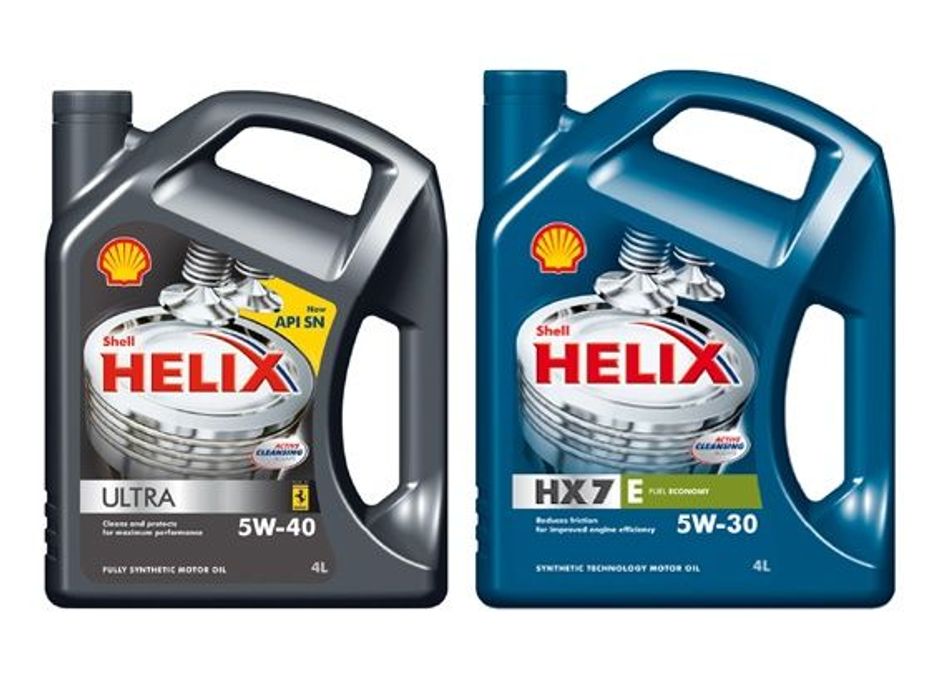
Choosing the right engine oil for your car can sure be a task. While there are the three kinds of oils – mineral, semi-synthetic and synthetic, there are also grades or different specifications within these. Further to the mineral, semi-synthetic and synthetic, there is single-viscosity oil and multi-viscosity oil also available in the market. Most modern vehicles are designed to run on multi-viscosity oil. And for those who own a vehicle it is always advisable to know the right oil to be used in your vehicle. Most car owners simply go by the manufacturer recommendations but if you are the kind who loves to experiment on the car then you need to know exactly what kind of oil to use for optimum performance.
Choosing the right oil also depends on the kind of weather conditions your car is going to be driven in. Although in India the temperature variations aren’t extreme, but if you plan to take your car for a long drive to up north into the hilly regions you need to use oil that remains viscous even at low temperatures.
Cans of multi-grade or multi viscosity oils have some seemingly cryptic designations printed on them like 5W30 or 10W30. The ‘5W’ in this case denotes the viscosity of the engine at cold temperatures. The lower the number the less it thickens in cooler temperatures. The ‘30’ indicates the viscosity of the oil at higher temperatures. At higher temperatures, oil becomes thinner but still needs to remain thick enough for it to protect your engine efficiently.
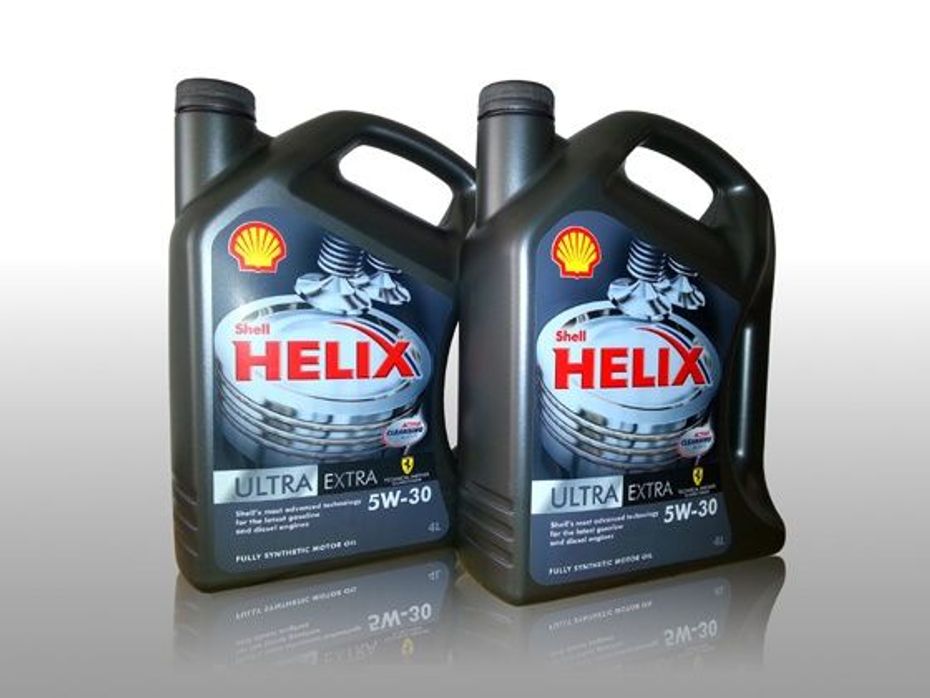
While most car manuals recommend a certain grade of oil for your car, these recommendations are made assuming that the vehicle will be driven mostly in standard weather conditions that we experience across the country. Hence it always advisable to check the grade of oil you are using and if it is appropriate for your travel to colder regions.
As far as the Mineral, semi-synthetic and synthetic engine oil quandary is concerned; each one has its own pros and cons. Check the manufacturer recommendations for your vehicle. Based on those, you can upgrade a level higher but be sure not to downgrade. For instance, if the car maker recommends semi-synthetic oil, you can upgrade to synthetic but it is advisable not to downgrade from synthetic to semi-synthetic or semi-synthetic to mineral.
Add Your Comments


See what our community has to say! NEW
India's largest automotive community
Explore Now

Latest Cars
-
 Tesla Roadster
₹ 50.06 Lakh
Tesla Roadster
₹ 50.06 Lakh
-
Audi Q3
₹ 51.99 Lakh
-
Toyota Glanza
₹ 6.99 Lakh
-
Volvo EX90
₹ 1.26 Crore
-
Skoda Slavia
₹ 10.00 Lakh
Upcoming Cars in India
-
Hyundai Bayon
Rs. 10.00 Lakh
Launch : Oct 26, 2026 -
Mercedes-Benz GLC Electric
Rs. 80.00 Lakh
Launch : Nov 4, 2026 -
Mahindra Thar E
Rs. 25.00 Lakh
Launch : Nov 15, 2026
- Latest
- Popular
-
2026 Universo Ferrari Exhibition Highlights: F50, Luce, 12Cilindri & SF-26 2026 F1 Car Showcased!
-
 Ferrari’s First EV, The Luce, Unveiled In India: Love It Or Hate It?
-
 Renault Duster Hybrid Launched At Rs 16.99 Lakh! Most Powerful Hybrid In Its Class!
-
 All-New Audi Q3 Launched At Rs 51.99 Lakh! German Experience With Class-Leading Ride!
-
"Tesla Roadster Sucks" Says Elon Musk, Find Out Why
Top Expert Reviews
-
MG Astor First Drive Review: Standing Out In Style
-
2021 Mahindra XUV700: First Drive Review
-
Kia Sonet Driven: More Than Just A Great Brochure?
Best Cars
-
Tata Nexon
Rs. 7.40 Lakh1199 cc | 17.4 kmpl | 118.3 bhp
-
Kia Seltos
Rs. 11.25 Lakh1497 cc | 113 bhp
-
Mahindra XUV 3XO
Rs. 7.79 Lakh1197 cc | 18.9 kmpl | 110 bhp
-
Hyundai Creta
Rs. 10.91 Lakh1497 cc | 17.4 kmpl | 113.2 bhp
-
Mahindra Thar ROXX
Rs. 12.52 Lakh1997 cc | 12.4 kmpl | 160 bhp
×