
2026 Skoda Kushaq Variant-wise Powertrain Options Explained: Get The...
- Apr 13, 2026
- Views : 913



 Follow us

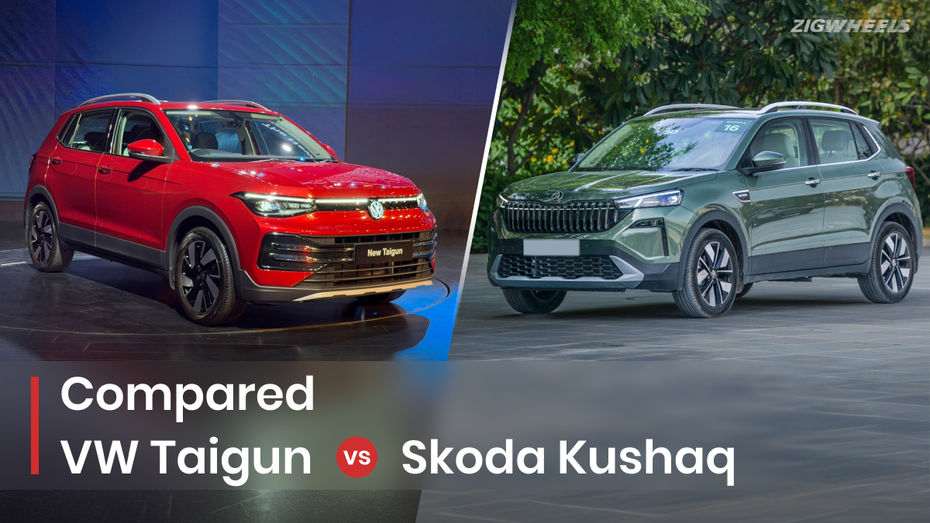
The Volkswagen Taigun and Skoda Kushaq are closely related SUVs, sharing the same underpinnings and identical engine options. On paper, they promise a very similar experience, but a closer look reveals differences in design, features, and overall appeal. Each model brings its own character, which could influence your choice depending on what you value more.
If you are considering either of these compact SUVs, here’s a detailed look at how they compare across key areas.
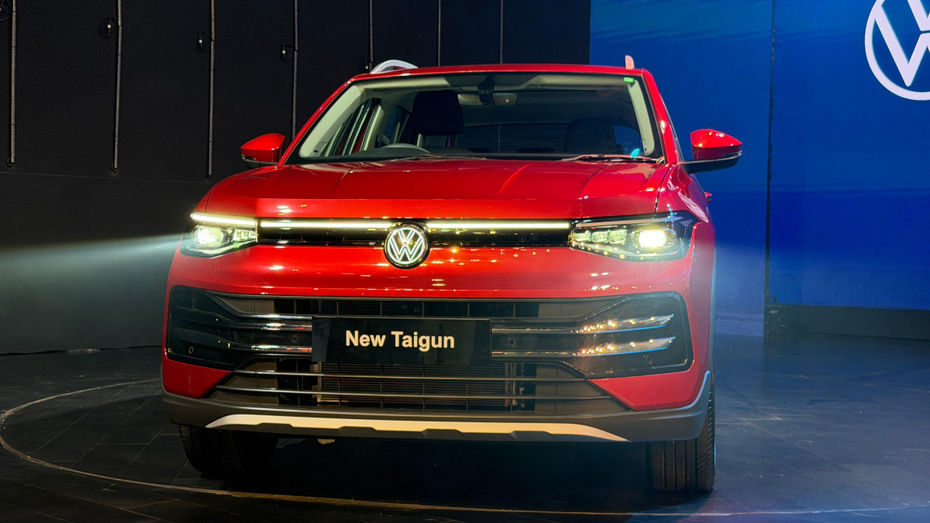
Right up front is where the difference is most noticeable. The Taigun leans towards a sportier look. It now gets a sleeker set of LED headlamps connected by a DRL strip, with the illuminated Volkswagen logo adding a bit of flair, especially at night. The grille features multiple horizontal elements, and the overall look is clean yet aggressive.
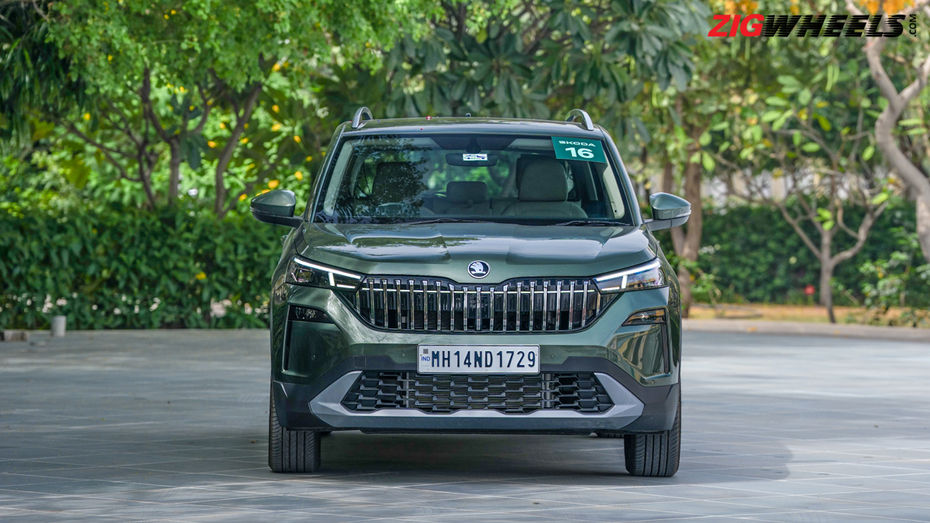
The Kushaq, on the other hand, keeps things more classy. It gets sharper headlamps along with the signature Skoda grille, which now has more intricate detailing. The bumper looks chunkier, and the fog lamps double up as cornering lights, giving it a more functional touch. Compared to the Taigun, it feels a bit more mature in its design.
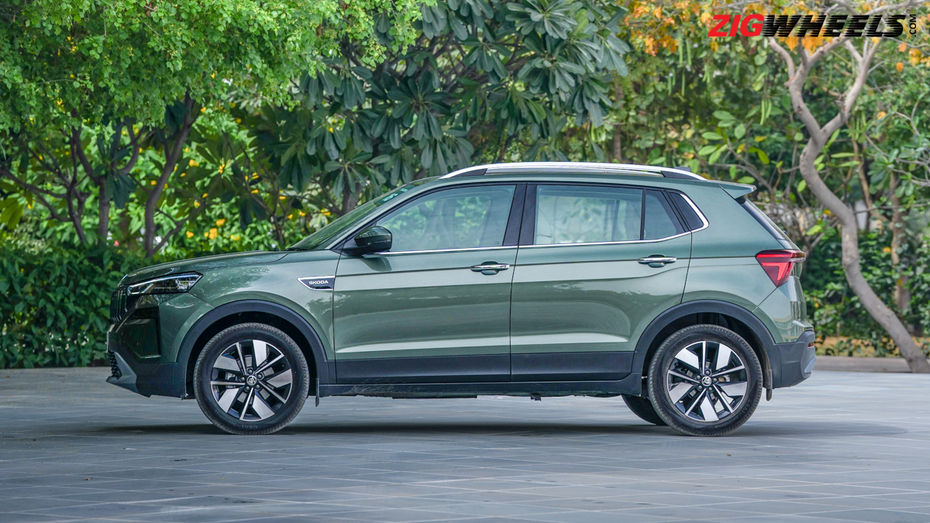
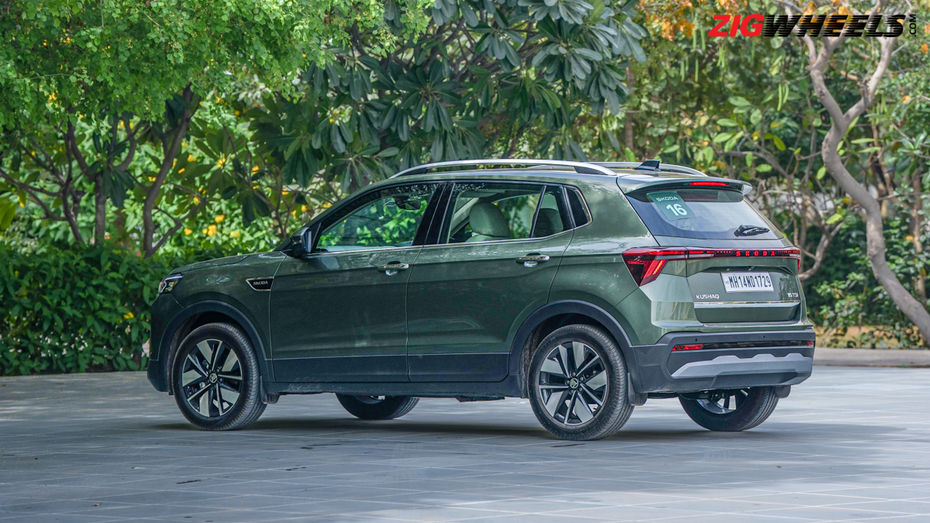
Moving on to the side, things start to look quite similar. Both SUVs share the same overall silhouette, which is not surprising given their shared base. You get roof rails, strong character lines, body cladding, and similar proportions.
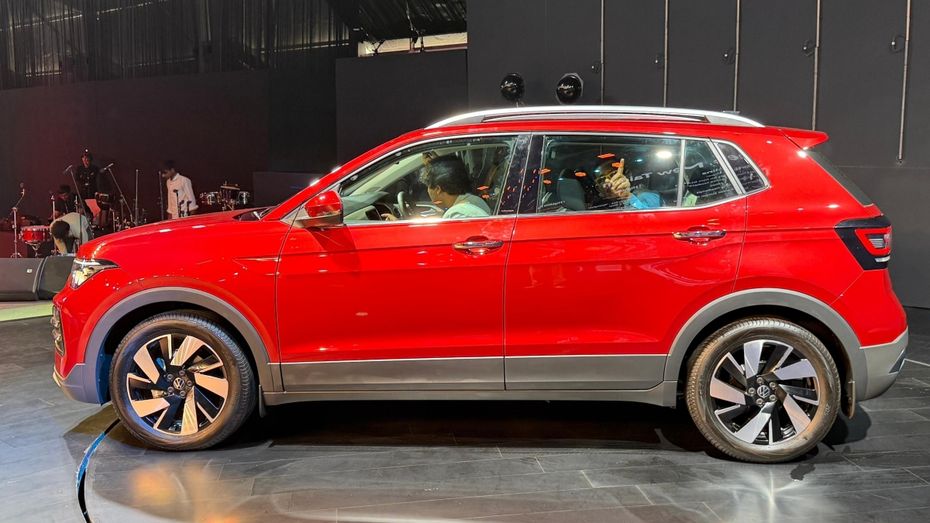
The differences here are subtle. The badging is one, the Taigun gets its ‘GT’ badge on select variants, while the Kushaq features Skoda branding on the fender. Notably, both the SUVs ride on 17-inch alloy wheels.
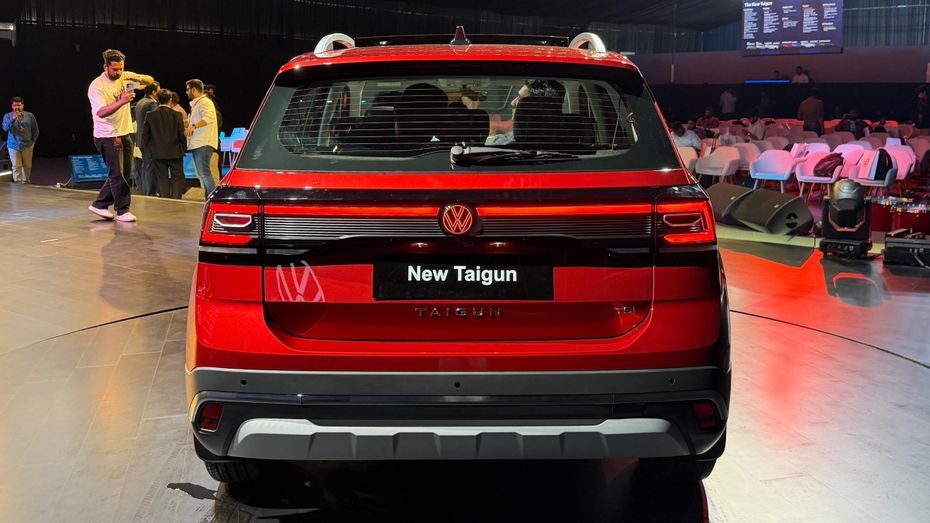
The contrast continues at the rear as well. The Taigun carries forward its sporty theme with C-shaped tail lamps connected by a gloss black strip. The illuminated Volkswagen logo again adds a modern touch, and the overall design feels neat and slightly aggressive.
The Kushaq, meanwhile, goes for a more refined look. It gets a connected LED tail lamp setup with a clean red light bar, and the Skoda lettering sits neatly within the lighting element.
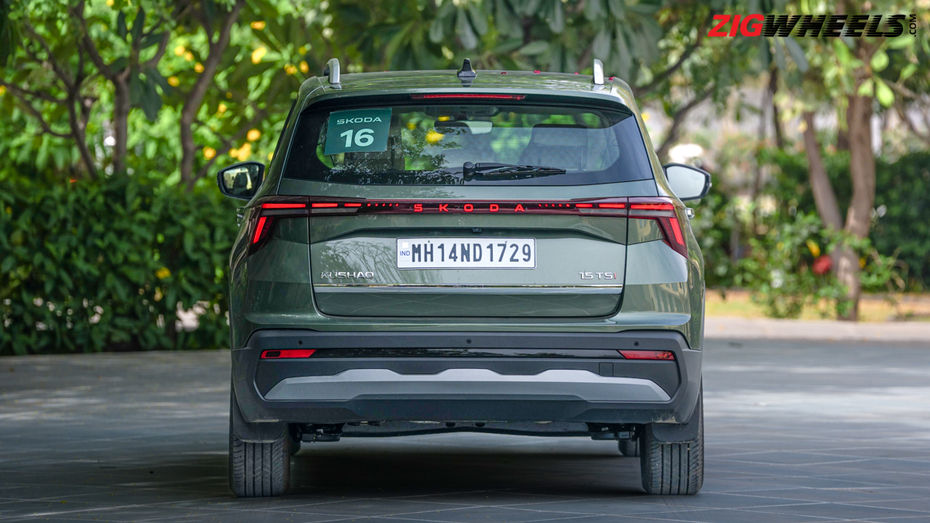
Step inside both SUVs, and you will notice that while they share a lot underneath, their cabins carry forward their own distinct identities.
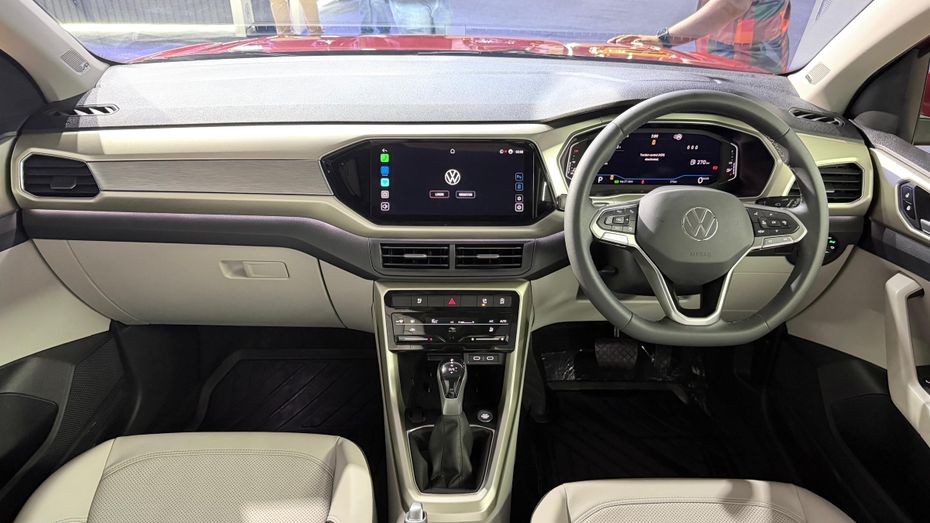
The Taigun's dashboard design is clean and slightly edgy, with sharp lines and a neatly integrated touchscreen that blends well into the layout. The GT variants get an all-black theme that adds to the sporty feel, while the Chrome variants offer a mix of black and grey for a more balanced look. Textured inserts on the dashboard add some visual interest, and the familiar 3-spoke steering wheel keeps things simple.
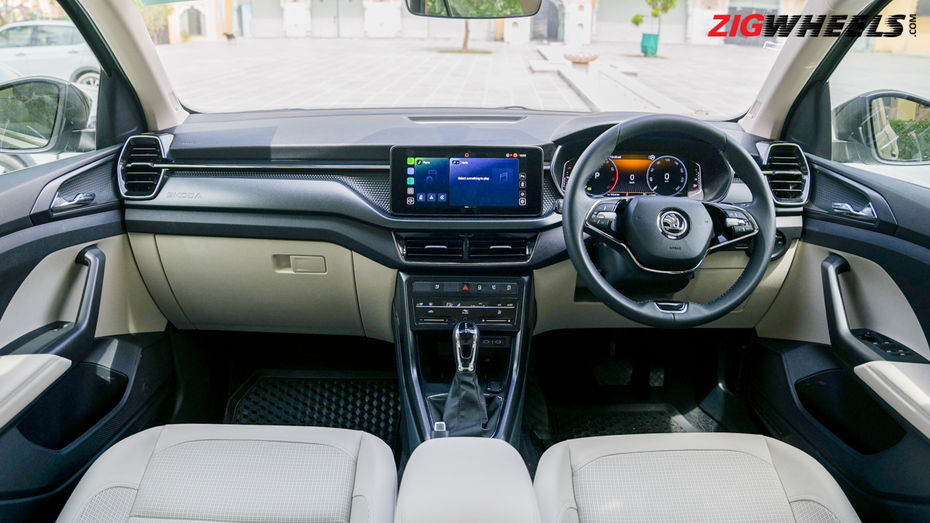
The Kushaq, in contrast, feels a bit more premium and understated. The standard variants come with a black and beige cabin theme that makes the interior feel lighter, while the sportier trims switch to a black layout with matte red inserts. There’s more use of chrome elements across the dashboard and door handles, and the two-spoke steering wheel gives it a slightly different character. The touchscreen here is a floating unit, which makes it stand out more on the dashboard.
While the Taigun and Kushaq show some differences in design and cabin feel, this is where things start to look almost identical. Their feature lists are nearly the same, and there’s very little separating the two on paper.
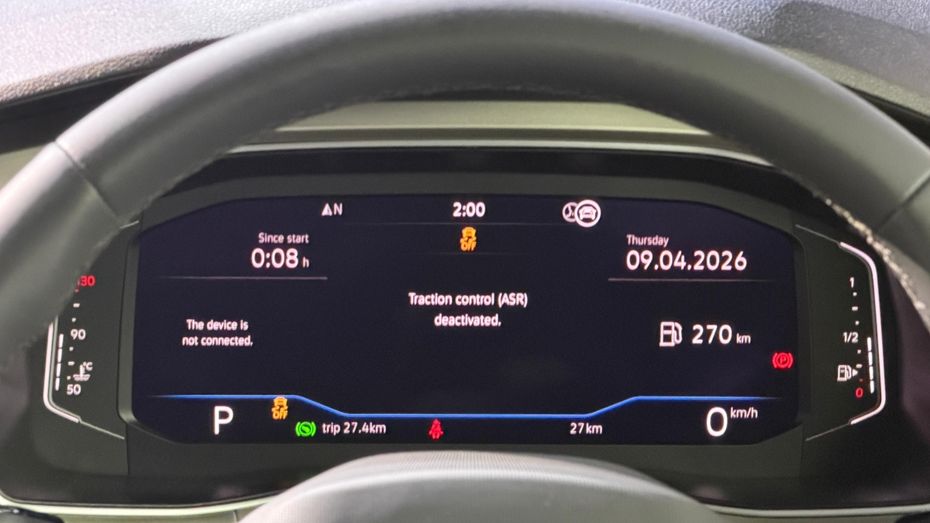
Both SUVs come well equipped with a 10.1-inch touchscreen infotainment system, wireless Android Auto and Apple CarPlay, a 10.25-inch digital driver’s display, a 6-speaker sound system with a subwoofer, automatic climate control, ambient lighting, ventilated front seats with power adjustment, keyless entry with push-button start, a panoramic sunroof, and cruise control.
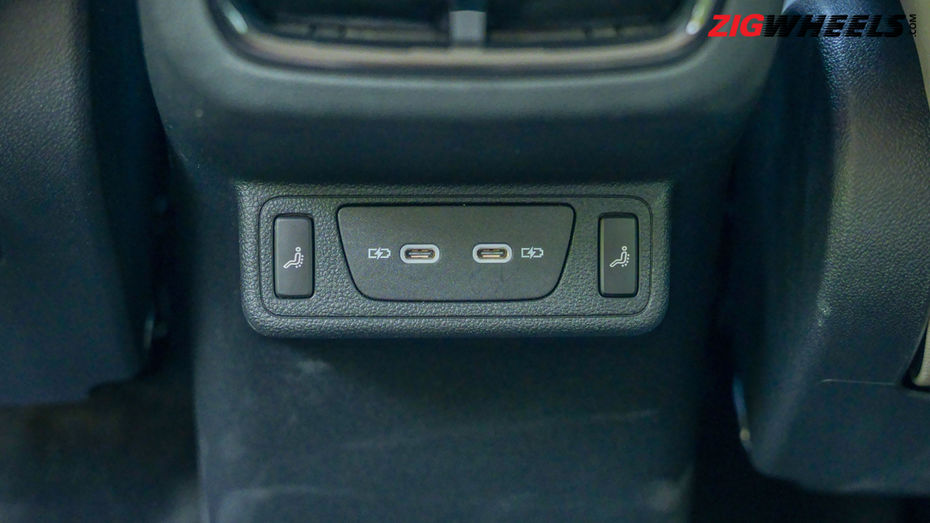
Where the Kushaq pulls slightly ahead is with the addition of rear seat massaging function, which is a unique touch and something you don’t usually see in this segment.
On the safety front, there’s practically no difference between the two. Both come with 6 airbags, ABS with EBD, electronic stability control, all-wheel disc brakes, tyre pressure monitoring system, front and rear parking sensors, ISOFIX child sear mounts, rear defogger, and a reverse parking camera. Both SUVs also have a 5-star Global NCAP crash test rating.
One thing to note is that neither SUV offers ADAS or an electronic parking brake, which have become commonplace in the compact SUV segment by now.
Both the Volkswagen Taigun facelift, and the Skoda Kushaq facelift are offered with identical engine options, including a 1-litre turbo-petrol and a 1.5-litre turbo-petrol unit.
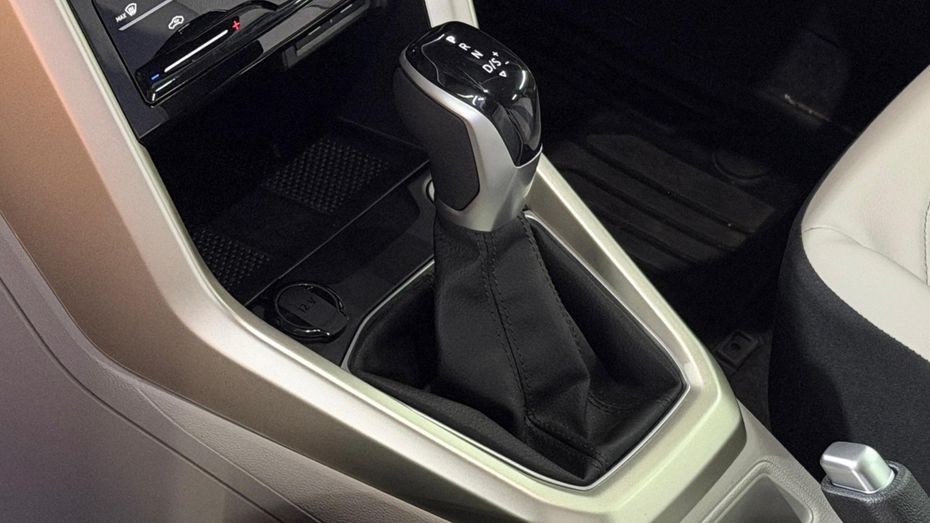
With the recent update, they also get a new 8-speed automatic gearbox for the smaller engine, replacing the earlier 6-speed torque converter automatic gearbox. Here are their detailed specifications:
|
Engine |
1-litre turbo-petrol TSI |
1.5-litre turbo-petrol TSI |
|
Transmission |
6-speed manual / 8-speed AT |
7-speed DCT |
|
Power (PS) |
115 PS |
150 PS |
|
Torque (Nm) |
178 Nm |
250 Nm |
AT- torque converter automatic, DCT- dual clutch automatic
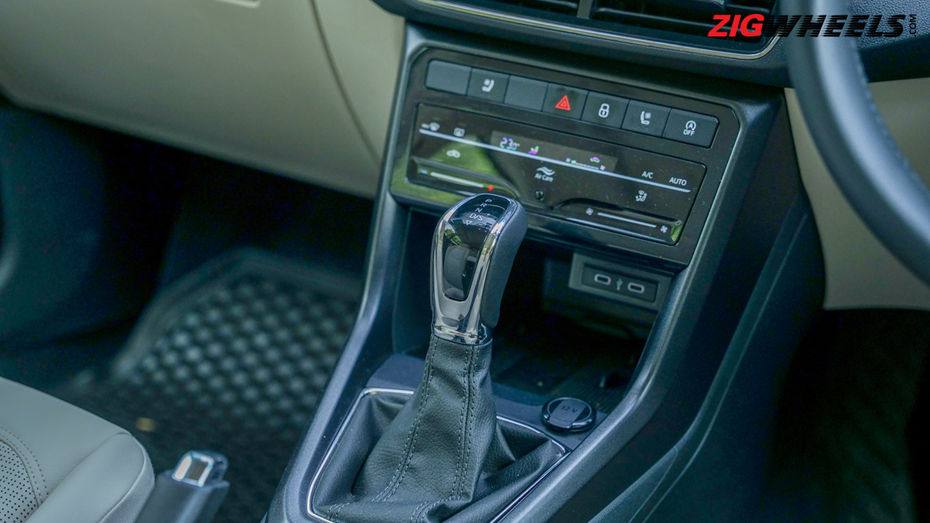
Notably, the 1.5-litre turbo-petrol engine in both the cars also gets Active Cylinder Deactivation (ACT) technology, which can shut down two out of the four cylinders when not needed for better fuel efficiency.
Volkswagen has priced the Taigun between Rs 11 lakh and Rs 19.30 lakh (ex-showroom), which is slightly higher than the Kushaq's price range of Rs 10.69 lakh to Rs 18.99 lakh (ex-showroom).
|
Model |
Price (ex-showroom) |
|
2026 Volkswagen Taigun Facelift |
Rs 11 lakh to Rs 19.30 lakh |
|
2026 Skoda Kushaq Facelift |
Rs 10.69 lakh to Rs 18.99 lakh |
The Volkswagen Taigun and Skoda Kushaq are almost identical under the skin, offering the same engines, performance, and overall driving experience. The difference mainly comes down to design, features, and brand preference.
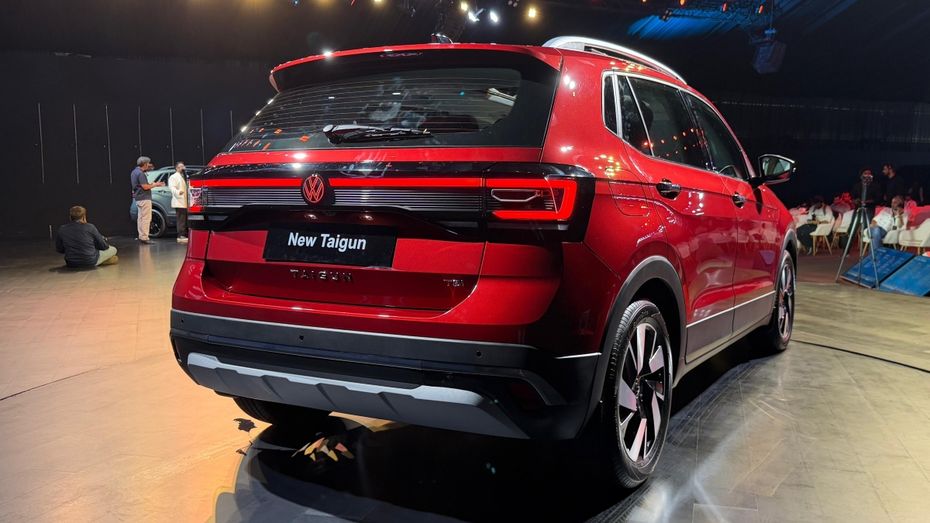
The Kushaq facelift gets a slightly better feature set while delivering a similar overall package at a slightly lower price point. However, since there is very little separating the two, the final choice largely depends on which design you prefer and which brand you are more inclined towards. Either way, you are getting a well-rounded compact SUV.
Which SUV from this comparison would you pick? Tell us in the comments below!


2026 Skoda Kushaq Variant-wise Powertrain Options Explained: Get The...
Top 5 Things We Love About The 2026 Skoda Kushaq Facelift
2026 Skoda Kushaq Short Review: What We Liked & What Needs To Improve
Skoda Kushaq Facelift Launched In India At Rs 10.69 Lakh; Enthusiast...
Skoda Commences Production Of Kushaq Facelift; Price Reveal Soon?
2026 Skoda Kushaq Colours Explained: Which Shade Should Be Your Pick?
2026 Skoda Kushaq Facelift Powertrain Options EXPLAINED; Two...
Is The 2026 Skoda Kushaq Facelift Safe Enough? It Misses Out On This...
Volkswagen Taigun
Skoda Kylaq
Maruti Brezza
Hyundai Creta
Mahindra XUV 3XO
India's largest automotive community
Skoda Kylaq
Skoda Slavia
Skoda Kodiaq
Skoda Octavia RS
Skoda Kodiaq RS
Mahindra Thar OG
Maruti Suzuki Brezza
Tata Punch
Tata Sierra
Maruti Suzuki FRONX
Mercedes-Benz Maybach S-Class Facelift
Rs. 3.00 Crore
Skoda Slavia Facelift
Rs. 11.99 Lakh
Honda Elevate Facelift
Rs. 11.91 Lakh
Volvo EX90
Rs. 1.20 Crore
Volvo ES90
Rs. 1.10 Crore
 Renault Triber Turbo Launched In India, Prices Start From Rs 7.84 Lakh
 5 Things We Love About The Mahindra Thar OG
 2026 Mahindra Thar OG Short Review: What We Liked & What Needs To Improve
 2026 Tata Aeris Launched At Rs 5.29 Lakh: Fresh Looks, More Features & A Familiar Engine
This Is Bentley’s First Electric SUV: New Torcal Gets 600 Km Range & 888 PS!
2026 Tata Aeris Launched At Rs 5.29 Lakh: Fresh Looks, More Features & A Familiar Engine
This Is Bentley’s First Electric SUV: New Torcal Gets 600 Km Range & 888 PS!