CNG Is The Fuel Of The Future, Says Govt
- Sep 7, 2018
- Views : 9889



 Follow us

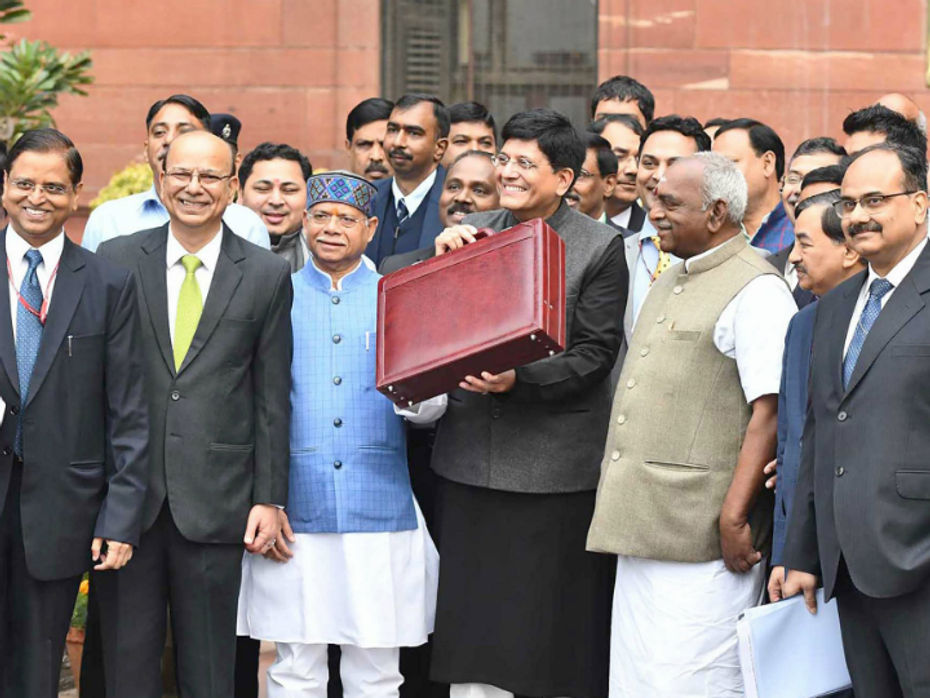
The Indian car industry had high hopes from the Interim Budget announced by the acting finance minister, Piyush Goyal on 1 February, 2019, but there was nothing apart from a small mention of electric vehicles.
“Making India a pollution free nation with green Mother Earth and blue skies is the Third Dimension of our Vision. This India will drive on Electric Vehicles with Renewables becoming a major source of energy supply. India will lead the world in the transport revolution through electric vehicles and energy storage devices, bringing down import dependence and ensuring energy security for our people,” said Goyal.
What does it mean for auto manufacturers? Well, the government has announced a reduction in custom duties on parts and components (excluding batteries) from the earlier 15-30 per cent to 10-15 per cent, which is expected to lower costs of existing and future all-electric cars in India. On the other hand, the cost of imported batteries has gone up to 5 per cent, which could slow down the adoption of electric cars as battery production in India has not begun in earnest.
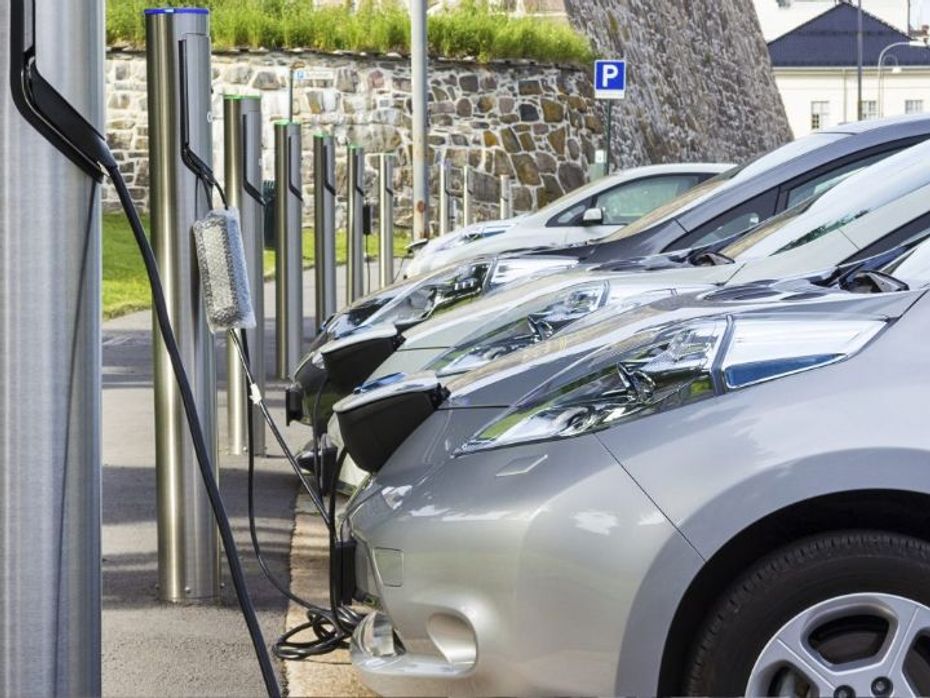
There has been no announcement on how to improve the distribution of electricity around the country, which will be crucial in promoting the use of EVs. Although CNG and LPG were supposed to replace petrol/diesel as the choice of fuel for vehicles, the limited number of gas refuelling stations have slowed the rate of adoption. With companies shifting focus to developing electric powertrains for the future, this non-committal stance from the government is slightly worrying.
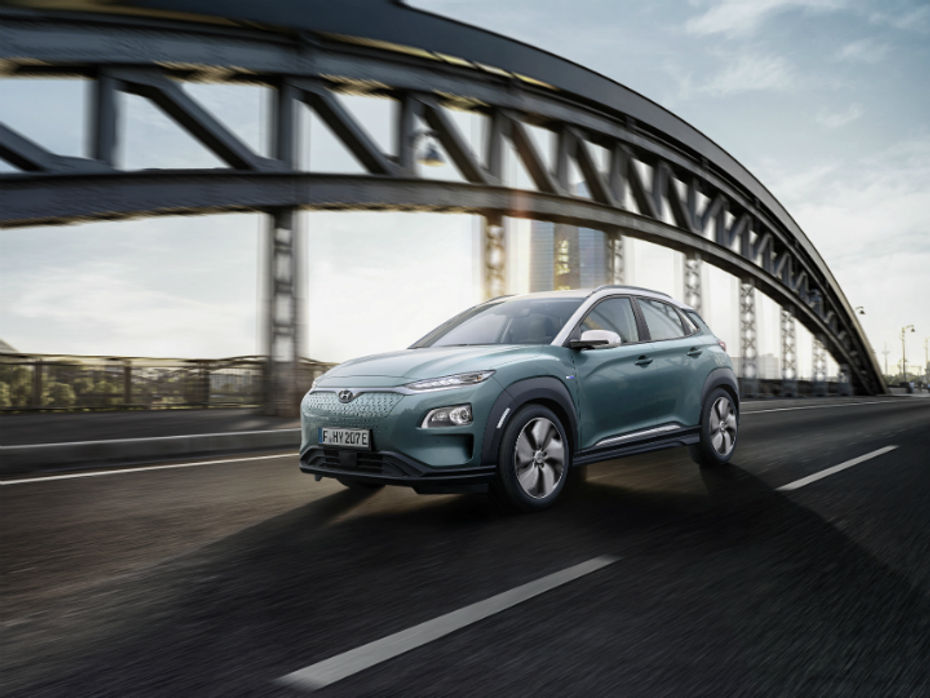
There were no announcements made for the implementation of FAME II (Faster Adoption and Manufacturing of [Hybrid &] Electric Vehicles, which will also be critical in making EVs affordable enough to be bought by cost-conscious car buyers. For now, EVs like the upcoming Hyundai Kona or the Nissan Leaf, or those with limited usability like the Mahindra e2o, remain toys for the rich who want to show their green credentials.
Taxation on cars, which are placed under the ‘luxury’ category under GST norms has also not been revised. R&D costs will also be crucial for companies to tackle the increased costs in complying with upcoming BSVI and safety norms along with developing electric powertrains. The industry was looking forward to an announcement regarding re-introduction of 200 per cent weighted reduction on taxes on R&D, which has not materialised yet.
For now, it seems the industry will have to wait and watch which way the electorate swings before getting concrete plans for the future.


CNG Is The Fuel Of The Future, Says Govt
Indian Government Wants EVs To Be 15 Per Cent Of New Sales
Switch Over To EVs, SC Tells Carmakers
SIAM Proposes Attractive Schemes To Strengthen EV Adoption In India
Mahindra Thar Roxx vs Scorpio N: Why Character Still Wins
Mahindra Scorpio Lifestyler Unveiled: Mahindra Returns to Lifestyle...
2026 Skoda Slavia Facelift Unveiled, Now Comes With Rear Massage...
2026 Mahindra Scorpio N Facelift Launched With Minor Styling Upgrades...
2026 Tata Nexon Camo Edition Launched: Does It Get Sweeter For The...
5 Things We Love About The Kia Syros EV
India's largest automotive community
MG Hector Tomahawk PHEV
₹ 25.69 Lakh
MG Hector Tomahawk EV
₹ 19.49 Lakh
BMW X1 LWB
₹ 49.90 Lakh
Mahindra Scorpio N
₹ 13.69 Lakh
Toyota Hilux
₹ 31.99 Lakh
 GTA 6 Extended Look Reveals Cars We Have Seen On Indian Roads!
 Tata Motors Passenger Vehicles Rebrands as TATA.CARS: Carries 'Nothing's Too Far' As Brand Promise
 MG Hector Tomahawk PHEV With 1100 Km Range LAUNCHED At Rs 25.69 Lakh
 MG Hector Tomahawk EV Launched At Rs 19.49 Lakh! With Claimed Range of 517 Kms
2026 Audi Q3 Unveiled In India Finally! Looks Truly A Generation Ahead!
MG Hector Tomahawk EV Launched At Rs 19.49 Lakh! With Claimed Range of 517 Kms
2026 Audi Q3 Unveiled In India Finally! Looks Truly A Generation Ahead!