Bajaj Pulsar 150 vs Yamaha FZ-FI V3
Last Updated: September 6, 2026
Bajaj Pulsar 150 price starts at Rs. 1.15 Lakh, which is Rs. 1,527 cheaper than the base variant of Yamaha FZ-FI V3, priced at Rs. 1.17 Lakh. In terms of mileage, the Pulsar 150 offers a claimed 47.5 kmpl, while the FZ-FI Version 3.0 delivers 49.3 kmpl. On the performance front, the Pulsar 150 uses a 149.5cc engine producing 14 PS @ 8000 rpm and the FZ-FI Version 3.0 a 149cc engine producing 12.4 PS @ 7250 rpm. If you're deciding between the Pulsar 150 and FZ-FI Version 3.0, the Pulsar 150 is the better pick for affordability and performance, while the FZ-FI Version 3.0 stands out for mileage and a lighter kerb weight.
...Read More
Pulsar 150 vs FZ-FI Version 3.0 Comparison Summary
| Specification | Bajaj Pulsar 150 | Yamaha FZ-FI V3 |
|---|---|---|
| Ex-showroom price (base) | Rs. 1.15 Lakh | Rs. 1.17 Lakh |
| Mileage | 47.5 kmpl | 49.3 kmpl |
| Engine | 149.5 cc | 149 cc |
| Max power | 14 PS @ 8000 rpm | 12.4 PS @ 7250 rpm |
| Kerb weight | 141 Kg | 135 Kg |
-
Bajaj Pulsar 150
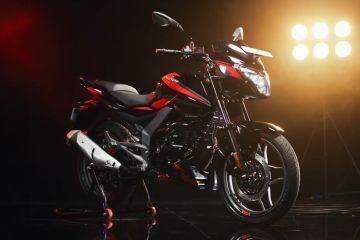 Rs. 1.15 Lakh EMI - Rs. 3,444 View September OffersYamaha FZ-FI Version 3.0
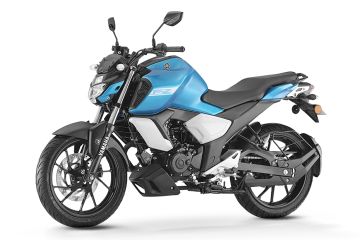 Rs. 1.17 Lakh EMI - Rs. 3,364 View September Offers
Pulsar 150 vs FZ-FI Version 3.0 Key Highlights
| Basic Info | Bajaj Pulsar 150 Single Disc Single Seat | Yamaha FZ-FI Version 3.0 STD |
|---|---|---|
| Rating |
7 reviews
|
258 reviews
|
| Brand Name | Bajaj | Yamaha |
| Ex-Showroom Price | Rs. 1.15 Lakh Check On Road Price | Rs. 1.17 Lakh Check On Road Price |
| Engine Type | 4-Stroke, 2-Valve, Twin Spark BSVI Compliant DTS-i FI Engine | Air cooled, 4-stroke, SOHC, 2-valve |
| Max Power | 14 PS @ 8000 rpm | 12.4 PS @ 7250 rpm |
| Fuel Type | Petrol | Petrol |
| Colors | ||
| Wheel Size | Front :-431.8 mm, Rear :-431.8 mm | Front :-431.8 mm,Rear :-431.8 mm |
| Wheels Type (Pressed Steel/ Alloy) | Alloy | Alloy |
| ABS | Single Channel | Single Channel |
| Starting | Kick and Self Start | Self Start Only |
| Speedometer | Digital | Digital |
| EMI |
Rs. 3,444
@
11.99% (36 months)
|
Rs. 3,364
@
9.45% (36 months)
|
| Insurance | Rs. 6,998 Pulsar 150 Insurance | Rs. 6,769 FZ-FI Version 3.0 Insurance |
| Brochure | N/A |
Download
Brochure
|
Engine |
|
|||||||||||||||||||||||||||||||||||||||||||||||||||||||||||||||||||||||||||||||||||||||||||||||||||||||||||||||||||||||||||||||||||||||
|---|---|---|---|---|---|---|---|---|---|---|---|---|---|---|---|---|---|---|---|---|---|---|---|---|---|---|---|---|---|---|---|---|---|---|---|---|---|---|---|---|---|---|---|---|---|---|---|---|---|---|---|---|---|---|---|---|---|---|---|---|---|---|---|---|---|---|---|---|---|---|---|---|---|---|---|---|---|---|---|---|---|---|---|---|---|---|---|---|---|---|---|---|---|---|---|---|---|---|---|---|---|---|---|---|---|---|---|---|---|---|---|---|---|---|---|---|---|---|---|---|---|---|---|---|---|---|---|---|---|---|---|---|---|---|---|---|
Brakes |
|
|||||||||||||||||||||||||||||||||||||||||||||||||||||||||||||||||||||||||||||||||||||||||||||||||||||||||||||||||||||||||||||||||||||||
Performance |
|
|||||||||||||||||||||||||||||||||||||||||||||||||||||||||||||||||||||||||||||||||||||||||||||||||||||||||||||||||||||||||||||||||||||||
Suspension |
|
|||||||||||||||||||||||||||||||||||||||||||||||||||||||||||||||||||||||||||||||||||||||||||||||||||||||||||||||||||||||||||||||||||||||
Tyres |
|
|||||||||||||||||||||||||||||||||||||||||||||||||||||||||||||||||||||||||||||||||||||||||||||||||||||||||||||||||||||||||||||||||||||||
Dimensions |
|
|||||||||||||||||||||||||||||||||||||||||||||||||||||||||||||||||||||||||||||||||||||||||||||||||||||||||||||||||||||||||||||||||||||||
Electricals |
|
|||||||||||||||||||||||||||||||||||||||||||||||||||||||||||||||||||||||||||||||||||||||||||||||||||||||||||||||||||||||||||||||||||||||
Features |
|
|||||||||||||||||||||||||||||||||||||||||||||||||||||||||||||||||||||||||||||||||||||||||||||||||||||||||||||||||||||||||||||||||||||||
Service Cost |
|
|||||||||||||||||||||||||||||||||||||||||||||||||||||||||||||||||||||||||||||||||||||||||||||||||||||||||||||||||||||||||||||||||||||||
Warranty |
|
Pros and Cons
- Positives
- Negatives
Yamaha FZ-FI V3
- Frugal motor, Comfortable riding stance, Muscular design
Yamaha FZ-FI V3
- Not so peppy engine, Fit and finish isn’t as good

Do you own a Car or Bike?
- Interact with community
- Become a Top Contributor
Add Car
Add Bike

Bajaj Pulsar 150 Comparison with Similar Bikes



Latest News on Bajaj Pulsar 150 and Yamaha FZ-FI Version 3.0
-
 Bajaj Pulsar 150 Evolution Over The Years26 Aug, 2026 | By Team ZigWheels
 -
Here’re The Best Selling Yamaha Two-Wheelers In June 202321 Jul, 2023 | By Team ZigWheels
-
BREAKING: New Bajaj Pulsar 150 Launched In India: Gets New Engine, Monoshock And TFT24 Aug, 2026 | By Team ZigWheels
-
Yamaha Updates Fazer FZ-15 In Brazil29 Aug, 2022 | By Team ZigWheels
-
Here Are Some New Details On The Upcoming Yamaha FZ-X16 Apr, 2021 | By Team ZigWheels
-
The Yamaha FZ Sheds Weight And Packs New Features9 Feb, 2021 | By Team ZigWheels
-
Yamaha’s FZ Fi Bikes Now Come At A Slight Premium9 Nov, 2020 | By Team ZigWheels
Recently Asked User Questions
Q. Which bike to buy, Yamaha FZ-FI V3 or Yamaha FZ-X?
- Yamaha FZ-FI V3 is a big bike with style, features, smooth engine. While its motor offers better fuel efficiency, it lacks grunt. The Yamaha FZ-X, on the other hand, is a great commuter thanks to its easy-going ergonomics and suspension. So, if you are on a hunt for a bike that stands out in the general crop of commuters in the segment, the Yamaha FZ-X is the one for you. Moreover, we would suggest you to take a test ride before making the final decision. Follow the link and select your desired city for dealership details.
Q. Which bike is better in terms of performance and comfort journey and mileage purpose comparing between Xtreme
160R, XBlade, Hornet 2.0 and FZ-Fi?
- As per your requirements, you may go for Hero Xtreme 160R. The Xtreme 160R is the most exciting motorcycle to come out of the stables of Hero MotoCorp in the recent past. It has the styling, performance, and dynamics to take on the competition. It is one of the most affordable bikes in this class. It makes for a good purchase if you are in the market for a no-nonsense daily commuter with slightly sporty intentions. Plus it looks good, is very comfy and handles everything that Indian roads could throw at it with grace. Do take a test ride in order to get better clarity. Check out authorised dealership details.
Q. Want to buy a bike, but getting confused between Yamaha FZ V3(150 cc) and Honda Unicorn 160 cc. Please help me
with some helpful insights on this.
- I don't know otp number
- Dear Zigwheels team, The comparison made on both the bikes are very well, but after-sales service on Yamaha FZ is more and we need to depend on the Yamaha service center all the time. Since the ECU kit included local mechanics will not be able to perform the service. Correct me if I'm wrong.
- Selecting between the Yamaha FZ-FI V3 and Honda Unicorn would depend on certain factors such as your budget, preference of the segment, features required, ride quality, etc. Honda Unicorn comes equipped with a larger 163cc fuel-injected, air-cooled engine produces 12.92PS and 14Nm. The bike features a long comfortable seat, good ground clearance and a refined engine, however, the Japanese brand has made no effort to modernize the Unicorn BS6 as it misses out on LED headlight or even a ACG starter as seen on the Honda Shine. On the other hand, the FZ-FI V3 is powered by a fuel-injected 149cc 2-valve single-cylinder engine. Revision to the engine has seen a power drop from 13.2PS to 12.4PS while the torque has been bumped up by 0.8Nm to 13.6Nm. The FZ still holds a strong position in the brand’s lineup and makes a strong case with its comfortable riding position and good handling traits. The bike comes equipped with modern day features like a smart-looking LED headlight and negative LCD fully-digital instrument cluster. For a better understanding of compatibility and riding comfort, we would suggest you to take a test ride. Follow the link and select your desired city for dealership. Read More: - What Has Honda Changed On The New Unicorn BS6? -Yamaha Too Jumps On The Connectivity Bandwagon With The New FZ-S Fi
Bajaj Pulsar 150 Vs Yamaha FZ-FI Version 3.0 FAQs
Which bike is best between Bajaj Pulsar 150 vs Yamaha FZ-FI Version 3.0?
Bajaj Pulsar 150 has out rated Yamaha FZ-FI V3 on all the rating factors.
Which bike is cheaper Bajaj Pulsar 150 vs Yamaha FZ-FI Version 3.0?
The Bajaj Pulsar 150 is cheaper than Yamaha FZ-FI V3 by ₹1,527.
Which bike offers better performance Bajaj Pulsar 150 vs Yamaha FZ-FI Version 3.0?
For the Single Disc Single Seat version, 149.5 cc Petrol engine of Pulsar 150 produces 14 PS @ 8000 rpm of power and 14.1 Nm @ 6500 rpm of torque. Whereas for the STD version, 149 cc Petrol engine of FZ-FI Version 3.0 produces 12.4 PS @ 7250 rpm of power and 13.3 Nm @ 5500 rpm of torqueAs per the users experiences the Bajaj Pulsar 150 has better performance.
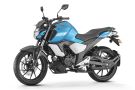
Images of Bajaj Pulsar 150 and Yamaha FZ-FI V3
Which one do you like more?

Pulsar 150
FZ-FI Version 3.0

- Home ›
- New Bikes ›
- Compare Bikes ›
- Bajaj Pulsar 150 vs Yamaha FZ-FI V3
×