2026 Maruti Brezza Teased! Comprehensive Update With Styling &...
- Jul 18, 2026
- Views : 12564



 Follow us

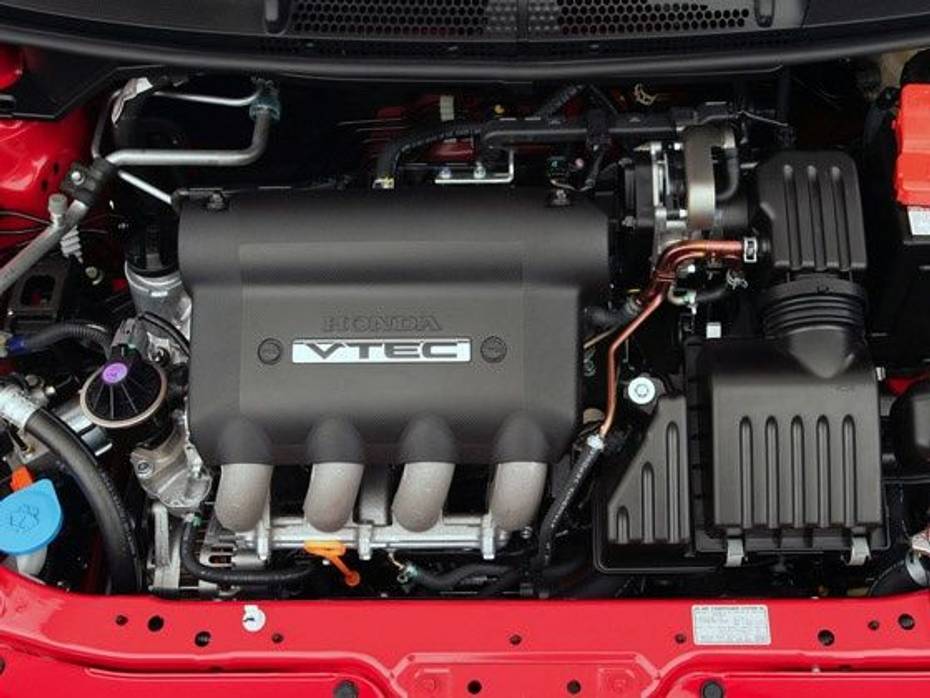
In the current automobile scenario where there seems to no end at looking for technology that reduces fuel consumption and increases performance of car engines, VVT has turned out to be one the most popular systems with carmakers and users alike. An internal combustion engine uses valves for intake and exhaust.
These valves are either directly or indirectly driven by cams on a camshaft. The cams open the valves for a certain amount of time during each intake and exhaust cycle takes place. In principle, this operation is fine and should operate without compromising combustion of fuel and efficiency. However, at high engine speeds the engine requires large amounts of air. The time for each intake cycle of the valves becomes inadequate as more air is required to burn more fuel to produce enough power to maintain or increase the speed of the vehicle.
This is where Variable Valve Timing comes into play. VVT is a piston engine technology that deliberately delivers inconsistent timing of the intake and / or exhaust valves. The benefit of this is fuel efficiency and the ability to deliver peak performance over a variety of driving conditions. The main advantage of VVT is that it can prolong exhaust and intake cycles at high speeds and reduce cycles at slow speeds. This results in good performance of the engine at high speeds and increased fuel efficiency at low speeds.
Pressure from environmental bodies to increase fuel efficiency standards has forced all mainstream car manufacturers to adopt some form of Variable Valve Timing or the other. Most mainstream manufacturers use proprietary technology for VVT systems and have affixed a proprietary term to distinguish their interpretation and use of the technology from other manufacturers.
Some of those terms are as follows:
• Alfa Romeo – with its Twinspark engine
• Audi - VVT
• BMW - Valvetronic, VANOS and Double VANOS
• Ford - Variable Cam Timing
• GM - Double Continuous Variable Cam Phasing (DCVCP), Alloytec and Variable Valve Timing (VVT)
• Honda - VTEC, iVTEC and VTEC-E
• Hyundai – MPI, CVVT, VTVT
• Lexus - VVT-iE
• Mazda - S-VT
• Mitsubishi - MIVEC
• Nissan - N-VCT, VVL , CVTC and VVEL
• Porsche - VarioCam and VarioCam Plus
• Subaru - AVCS and AVLS
• Toyota - VVT, VVT-i and VVTL-i
• Volkswagen - VVT
• Volvo - CVVT

2026 Maruti Brezza Teased! Comprehensive Update With Styling &...
Nissan Launched The Tekton SUV - Its Latest Compact SUV Contender...
2026 Maruti Brezza LAUNCHED! Updated SUV With Design Tweaks,...
Sierra Finally Gets An Electric Powertrain! Tata Sierra EV Launched...
2026 Renault Kwid Launched At Rs 4.52 Lakh! Entry-level Hatch Gets...
Maruti Brezza Facelift Scores 5-Stars in BNCAP: Is This The Safest...
Kia Syros EV REVEALED; Arrives As Kia’s Entry-level EV in India
Check Out The 2026 Maruti Suzuki Brezza Facelift Explained In 17...
Tata Sierra EV Launch Tomorrow: Check Out These 7 Other EVs Launching...
India's largest automotive community
Honda ZR-V
₹ 47.99 Lakh
Maruti Suzuki Brezza
₹ 7.40 Lakh
Mercedes-Benz AMG E 53
₹ 1.45 Crore
Kia Syros EV
₹ 13.50 Lakh
Lexus ES 350h
₹ 66.10 Lakh
 Budget Vs Premium EVs: Where Does Spending A Little More Make The Biggest Difference?
 Honda ZR-V Launched In India For Rs 48 lakh! This Could Be The Only Premium SUV You Will Ever Need.
 You Don't Need To Spend Tesla Money To Experience A Premium EV Ft. Mahindra Born Electrics!
 Kia’s Most Affordable Electric Car Is Here! Syros EV Launched, Check Out Full Prices, Design, Features And Specifications
Mercedes-AMG E53 Launched At Rs 1.45 Crore; The Ultimate E-Class In India?
Kia’s Most Affordable Electric Car Is Here! Syros EV Launched, Check Out Full Prices, Design, Features And Specifications
Mercedes-AMG E53 Launched At Rs 1.45 Crore; The Ultimate E-Class In India?