 Upcoming Kawasaki Z300 Launch Timeline Revealed
Bharat NCAP Safety Ratings To Be Introduced From August 22; Crash Testing Of Indian Cars To Be Done At Home
- Published August 21, 2023
- Views : 6661
- 2 min read
-

-

-
 Follow us
However, the crash tests will be voluntary for the time being and one can expect it to be mandated sometime later
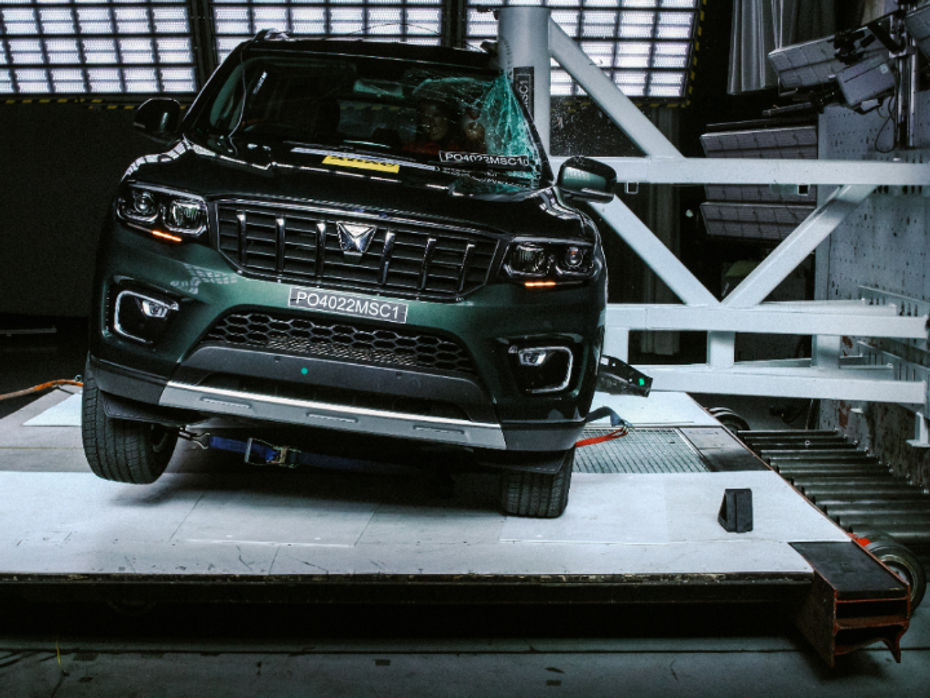
UPDATE: Bharat New Car Assessment Program (NCAP) has been introduced
The Indian automotive market is growing and one thing that is becoming a big buying factor for customers is a car’s safety rating. Crash test safety ratings are done by different organisations like Global NCAP, Euro NCAP, Latin NCAP and ASEAN NCAP. Now, Nitin Gadkari, Union Minister of Road Transport and Highways, is all set to introduce Bharat NCAP on August 22nd 2023 for testing the safety of Indian cars at home. Here is all that you need to know:
The Long-awaited Announcement
At its introduction tomorrow, we can expect a whole lot of different announcements including the location of the test facilities, the testing norms and parameters, any updated regulations for Indian cars and crash test ratings of some of the newly launched models.
Also Read: Honda Cars India Will Launch The Elevate SUV On This Date
Last year, Nitin Gadkari stated, “The testing protocol of Bharat NCAP shall be aligned with Global Crash Test Protocols factoring in the existing Indian regulations, allowing OEMs to get their vehicles tested at India’s own in-house testing facilities.”
Given this announcement, we can safely assume that the parameters and testing norms of the Bharat NCAP will be the same as the updated norms of the Global NCAP. Currently, a car needs to undergo front impact, side pole impact, side barrier, electronic stability control, and pedestrian-compliant tests.
Some Important Details
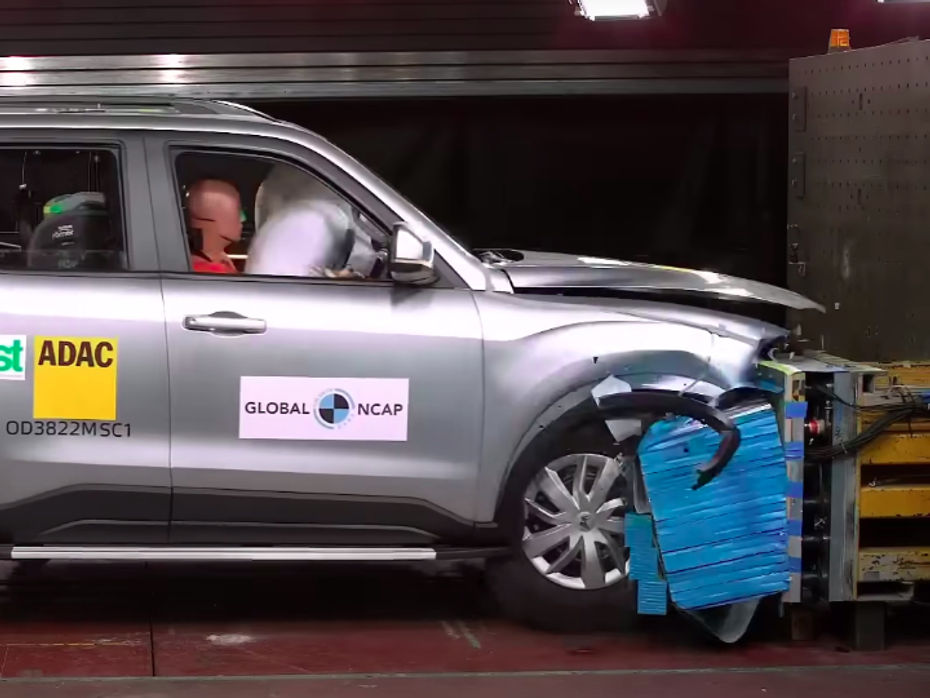
Here are some of the details we already know about the Bharat NCAP. The new car assessment programme will test vehicles weighing up to 3,500 kg (3.5 tonnes) and will perform two main types of tests: Adult Occupant Protection (AOP) and Child Occupant Protection (COP) as done in other NCAP organisations. Also, Bharat NCAP will allow carmakers to voluntarily get their cars crash-tested under this programme.
What Crash Test Parameters Can We Expect?
Previously, a government document suggested a 12-point initiative for crash-test ratings. This initiative could include some mandatory safety features such as six airbags, electronic stability control (ESC), 3-point seatbelts for all passengers, and advanced emergency braking system. Cars which are equipped with the aforementioned features will be eligible for a better safety rating.
Current Mandates
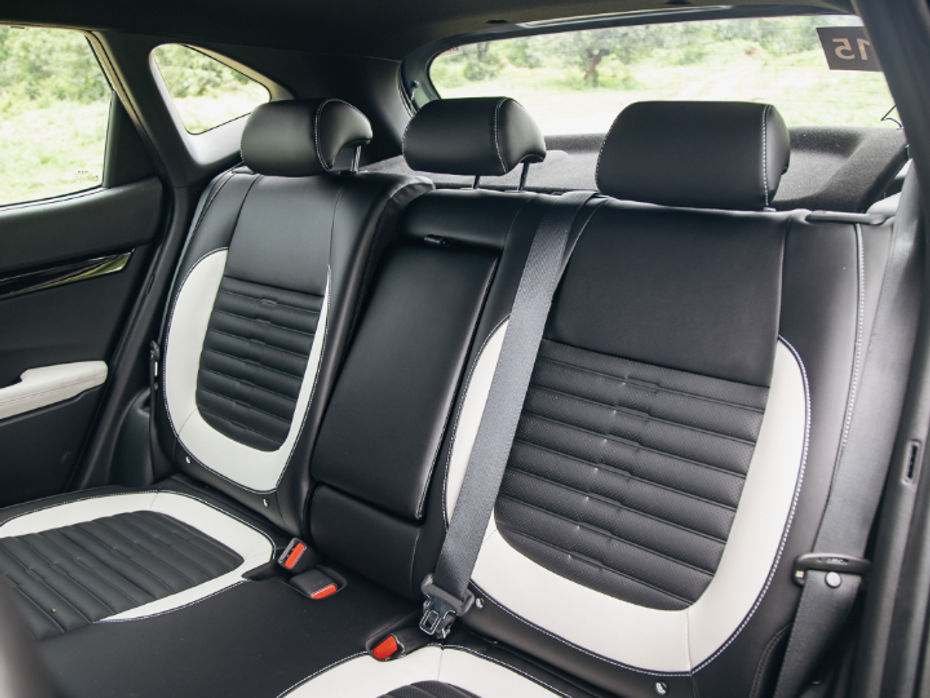
All cars in the Indian market are required to have some safety features like dual front airbags, ABS with EBD, rear parking assist, front seatbelt reminder, and speed alert system. Features like six standard airbags and 3-point seatbelts for all passengers will also be soon mandated for a 5-star safety rating. In the coming years, advanced driver assistance system (ADAS) can also become a standard safety parameter for securing high safety ratings.
Add Your Comments


See what our community has to say! NEW
India's largest automotive community
Explore Now

Latest Cars
-
 Volvo EX90
₹ 1.26 Crore
Volvo EX90
₹ 1.26 Crore
-
Skoda Slavia
₹ 10.00 Lakh
-
Honda Elevate
₹ 11.80 Lakh
-
Mercedes-Benz Maybach S-Class
₹ 3.35 Crore
-
Tata Aeris
₹ 5.30 Lakh
Upcoming Cars in India
-
Toyota Glanza Facelift
Rs. 6.85 Lakh
Launch : Oct 14, 2026 -
Audi Q3 2026
Rs. 48.00 Lakh
Launch : Oct 16, 2026 -
VinFast VF3
Rs. 10.00 Lakh
Launch : Oct 18, 2026 -
Volkswagen Virtus Facelift
Rs. 11.99 Lakh
Launch : Oct 25, 2026
- Latest
- Popular
-
Upcoming Kawasaki Z300 Launch Timeline Revealed
-
 All-New Hyundai Bayon Compact SUV Revealed! Sportier Compact SUV To Sit Below Creta
-
 2026 Audi Q3 Short Review: What We Liked & What Needs To Improve
-
 Volvo Launches EX90 Flagship SUV At Rs 1.26 Crore: Swedish EV Luxury With 625 Km Range
-
TVS Apache RTR 310 Variants Updated For 2026
Top News
-
This Is The MG Gloster In All Its Full-Size Glory
-
Tata Altroz Premium Hatchback Launched In India At Rs 5.29 Lakh
-
Mahindra Showcases Ssangyong G4 Rexton At Auto Expo 2018
Best Cars
-
Tata Nexon
Rs. 7.40 Lakh1199 cc | 17.4 kmpl | 118.3 bhp
-
Kia Seltos
Rs. 11.00 Lakh1497 cc | 113 bhp
-
Hyundai Creta
Rs. 10.91 Lakh1497 cc | 17.4 kmpl | 113.2 bhp
-
Mahindra Thar ROXX
Rs. 12.52 Lakh1997 cc | 12.4 kmpl | 160 bhp
-
Hyundai Venue
Rs. 8.00 Lakh1197 cc | 18.5 kmpl | 82 bhp
×