2025 Hyundai Venue Vs Tata Nexon: Which Sub-4m SUV Will You Pick?
- Nov 7, 2025
- Views : 2308



 Follow us

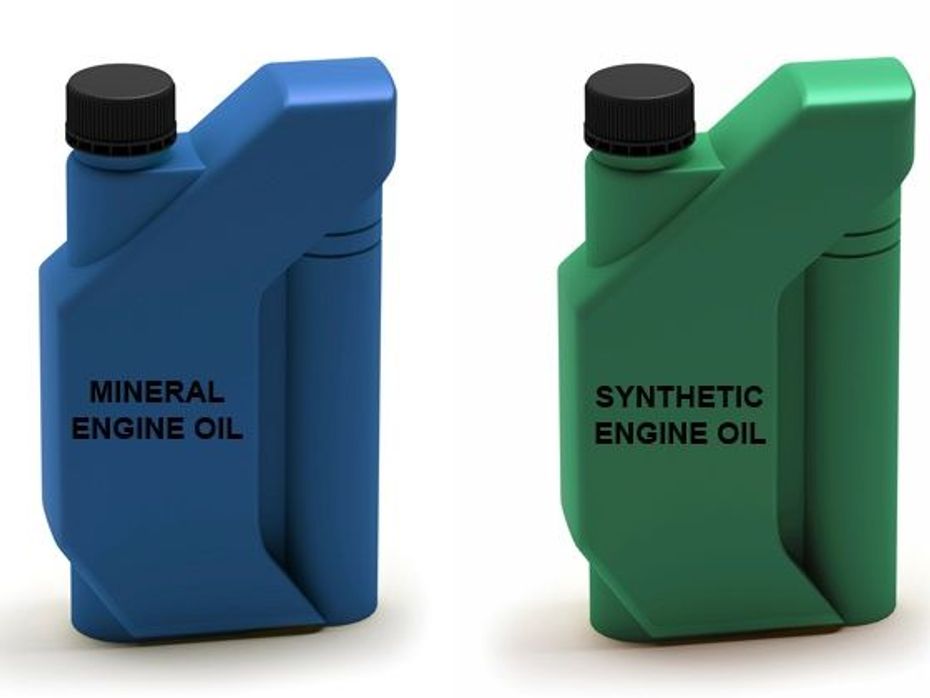
Photo credit: Thinkstock
Almost every engine oil manufacturer has introduced their brand of synthetic engine oils in the market, claiming better performance, mileage and longer engine oil change intervals. Does it make sense to go in for these expensive oils when a car manufacturer does not recommend it for their car?
Mineral engine oil
These are a by-product of the crude oil refining process. Broadly speaking, the thicker by-products from refining process become asphalt-type materials used as tar for various purposes. The fine, carbon-rich volatile substances are further refined to make fuels like petrol and diesel. The rest of the crude oil is often contaminated with sulphur and other contaminants; this is used as the base for making engine oil.
Pros:
• Lubricate moving parts in an engine and, according to the level of refinement, can perform well in varied conditions
• Are cheaper compared to semi-synthetic or synthetic oils
Cons:
• The markedly simple way that they are produced compared to synthetic blends of oil makes them unstable and prone to loss of viscosity under extreme conditions.
• They contain some contaminants which form sludge. This can be dangerous in the long run if the oil change intervals are not followed
Synthetic engine oils
Synthetic engine oils are made in laboratories, but are based on conventional mineral oils. Extensive refining and the presence of chemicals which alter the viscosity and other characteristics of the oil make them better suited for high performance engines.
Pros:
• Synthetic oils can handle changes in temperature and engine load much better than mineral oils
• They have added chemicals which reduce sludge formation
• Synthetic oils have better low temperature viscosity and flows more easily in between moving parts in an engine. This means that it is less resistant, and can lead to enhancements in fuel efficiency and engine performance.
• As the oil is resistant to sludge formation for longer period, the oil change interval is longer
Cons:
• Their technology intensive production method renders them costlier.
• They are not recommended on high-mileage engines, as their chemical composition has been known to affect the rubber seals and cause oil leaks.
• Their effectiveness on low performance engines is not significant
Mineral engine oils can face the stresses of daily driving easily, keeping the engine running smoothly and efficiently. Synthetic engine oils are beneficial in high load situations, say for example when you take your car off-roading or drive it high speeds for a long duration. It is not recommended that you use these oils if your car is not being driven in extreme temperature changing conditions, is not driven in high-altitude locations and is not equipped with a high-performance engine.
Conversely, using them does necessarily put a dent in your pocket; a bottle of synthetic oil is known to last for 50-100 per cent longer than mineral oil. Synthetic oils reduce wear and tear inside the engine, creating less sludge and increasing the longevity of the engine. All these factors lead to savings in the long run. On the whole, synthetic engine oil is definitely better.
Reputed brands of mineral engine oil cost Rs 370 for a three litre can, while synthetic engine oil costs Rs 2,700 for three litres. Castrol, Petronas, Shell and Mobil1 are reputed brands of engine oil.


2025 Hyundai Venue Vs Tata Nexon: Which Sub-4m SUV Will You Pick?
Skoda Kodiaq vs Volkswagen Tiguan R-Line: Full Comparison & Why...
Maruti Suzuki Victoris Vs Tata Curvv: Which SUV Offers More Value In...
Which Maruti SUV Should You Go For? Maruti Victoris vs Maruti Grand...
Maruti Suzuki Victoris vs Kia Seltos: Which Compact SUV Offers More...
Maruti Suzuki Victoris vs Maruti Suzuki Brezza: Which Maruti SUV...
Maruti Suzuki Victoris vs Hyundai Creta: Can The Newcomer Take On The...
Maruti Suzuki Victoris Vs Grand Vitara: Which Maruti SUV Deserves...
Hyundai Creta Vs Honda Elevate: Which Compact SUV Should You Pick?
Škoda DNA Tested | Kushaq & Octavia RS On Track! | ZigWheels.com
India's largest automotive community
Tesla Roadster
₹ 50.06 Lakh
Audi Q3
₹ 51.99 Lakh
Toyota Glanza
₹ 6.99 Lakh
Volvo EX90
₹ 1.26 Crore
Skoda Slavia
₹ 10.00 Lakh
Hyundai Bayon
Rs. 10.00 Lakh
Mercedes-Benz GLC Electric
Rs. 80.00 Lakh
Mahindra Thar E
Rs. 25.00 Lakh
 2026 Universo Ferrari Exhibition Highlights: F50, Luce, 12Cilindri & SF-26 2026 F1 Car Showcased!
 Ferrari’s First EV, The Luce, Unveiled In India: Love It Or Hate It?
 Renault Duster Hybrid Launched At Rs 16.99 Lakh! Most Powerful Hybrid In Its Class!
 All-New Audi Q3 Launched At Rs 51.99 Lakh! German Experience With Class-Leading Ride!
"Tesla Roadster Sucks" Says Elon Musk, Find Out Why
MG Astor First Drive Review: Standing Out In Style
2021 Mahindra XUV700: First Drive Review
Kia Sonet Driven: More Than Just A Great Brochure?
Tata Nexon
Kia Seltos
Hyundai Creta
Mahindra XUV 3XO
Mahindra Thar ROXX
All-New Audi Q3 Launched At Rs 51.99 Lakh! German Experience With Class-Leading Ride!
"Tesla Roadster Sucks" Says Elon Musk, Find Out Why
MG Astor First Drive Review: Standing Out In Style
2021 Mahindra XUV700: First Drive Review
Kia Sonet Driven: More Than Just A Great Brochure?
Tata Nexon
Kia Seltos
Hyundai Creta
Mahindra XUV 3XO
Mahindra Thar ROXX