Indian FTR vs Kawasaki Ninja 300
Last Updated: September 9, 2026
Kawasaki Ninja 300 price starts at Rs. 3.34 Lakh, which is Rs. 16.04 Lakh cheaper than the base variant of Indian FTR, priced at Rs. 19.38 Lakh. In terms of mileage, the FTR offers a claimed 18 kmpl, while the Ninja 300 delivers 30 kmpl. On the performance front, the FTR uses a 1203cc engine producing 124.7 PS and the Ninja 300 a 296cc engine producing 39 PS @ 11000 rpm. If you're deciding between the FTR and Ninja 300, the Ninja 300 is the better pick for affordability and mileage, while the FTR stands out for performance.
...Read More
FTR vs Ninja 300 Comparison Summary
| Specification | Indian FTR | Kawasaki Ninja 300 |
|---|---|---|
| Ex-showroom price (base) | Rs. 19.38 Lakh | Rs. 3.34 Lakh |
| Mileage | 18 kmpl | 30 kmpl |
| Engine | 1203 cc | 296 cc |
| Max power | 124.7 PS | 39 PS @ 11000 rpm |
| Kerb weight | 233 Kg | 179 Kg |
-
Indian FTR
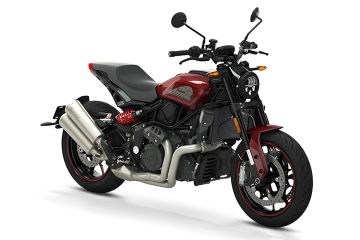 Rs. 19.38 Lakh EMI - Rs. 53,072 View September OffersKawasaki Ninja 300
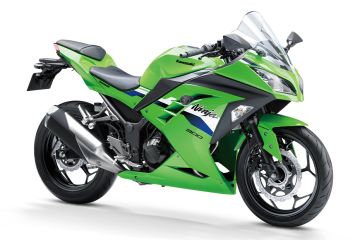 Rs. 3.34 Lakh EMI - Rs. 9,145 View September Offers
FTR vs Ninja 300 Key Highlights
| Basic Info | Indian FTR Black Smoke | Kawasaki Ninja 300 STD |
|---|---|---|
| Rating |
2 reviews
|
174 reviews
|
| Brand Name | Indian | Kawasaki |
| Ex-Showroom Price | Rs. 19.38 Lakh Check On Road Price | Rs. 3.34 Lakh Check On Road Price |
| Engine Type | Liquid Cooled V-Twin | Liquid-cooled, 4-stroke, parallel twin, 8 valves, DOHC |
| Max Power | 124.7 PS | 39 PS @ 11000 rpm |
| Fuel Type | Petrol | Petrol |
| Colors | ||
| Wheel Size | Front :-431.8 mm,Rear :-431.8 mm | Front :-431.8 mm,Rear :-431.8 mm |
| Wheels Type (Pressed Steel/ Alloy) | Alloy | Alloy |
| ABS | Dual Channel | Dual Channel |
| Starting | Self Start Only | Self Start Only |
| Speedometer | Analogue | Digital |
| EMI |
Rs. 53,072
@
6% (36 months)
|
Rs. 9,145
@
6% (36 months)
|
| Insurance | Rs. 46,085 FTR Insurance | Rs. 14,306 Ninja 300 Insurance |
| Brochure | N/A | N/A |
Engine |
|
||||||||||||||||||||||||||||||||||||||||||||||||||||||||||||||||||||||||||||||||||||||||||||||||||||||||||||
|---|---|---|---|---|---|---|---|---|---|---|---|---|---|---|---|---|---|---|---|---|---|---|---|---|---|---|---|---|---|---|---|---|---|---|---|---|---|---|---|---|---|---|---|---|---|---|---|---|---|---|---|---|---|---|---|---|---|---|---|---|---|---|---|---|---|---|---|---|---|---|---|---|---|---|---|---|---|---|---|---|---|---|---|---|---|---|---|---|---|---|---|---|---|---|---|---|---|---|---|---|---|---|---|---|---|---|---|---|---|
Brakes |
|
||||||||||||||||||||||||||||||||||||||||||||||||||||||||||||||||||||||||||||||||||||||||||||||||||||||||||||
Performance |
|
||||||||||||||||||||||||||||||||||||||||||||||||||||||||||||||||||||||||||||||||||||||||||||||||||||||||||||
Suspension |
|
||||||||||||||||||||||||||||||||||||||||||||||||||||||||||||||||||||||||||||||||||||||||||||||||||||||||||||
Tyres |
|
||||||||||||||||||||||||||||||||||||||||||||||||||||||||||||||||||||||||||||||||||||||||||||||||||||||||||||
Dimensions |
|
||||||||||||||||||||||||||||||||||||||||||||||||||||||||||||||||||||||||||||||||||||||||||||||||||||||||||||
Electricals |
|
||||||||||||||||||||||||||||||||||||||||||||||||||||||||||||||||||||||||||||||||||||||||||||||||||||||||||||
Features |
|
||||||||||||||||||||||||||||||||||||||||||||||||||||||||||||||||||||||||||||||||||||||||||||||||||||||||||||
Service Cost |
|
||||||||||||||||||||||||||||||||||||||||||||||||||||||||||||||||||||||||||||||||||||||||||||||||||||||||||||
Warranty |
|
Pros and Cons
- Positives
- Negatives
Kawasaki Ninja 300
- Well priced compared to other twins, Creamy smooth engine
Kawasaki Ninja 300
- Could use more power and torque, Feels quite barren in terms of features

Do you own a Car or Bike?
- Interact with community
- Become a Top Contributor
Add Car
Add Bike
Videos of Indian FTR and Kawasaki Ninja 300

Latest News on Indian FTR and Kawasaki Ninja 300
-
 Indian FTR 1200 Discontinued Globally13 Feb, 2025 | By Team ZigWheels
 -
2026 Kawasaki Ninja 250 Launched In Japan27 Jul, 2026 | By Team ZigWheels
-
The Indian FTR Gets A Sport-y Trim10 Nov, 2022 | By Team ZigWheels
-
From Singles to Twins: 5 Parallel-Twin Upgrades For Every Indian Motorcyclist27 Jun, 2026 | By Team ZigWheels
-
2021 Indian FTR 1200 Range Gets Smaller Wheels, New Suspension And More Updates29 Jan, 2021 | By Team ZigWheels
-
Latest Offers On Kawasaki Bikes: Save Up To Rs 3.50 Lakh17 Mar, 2026 | By Team ZigWheels
-
The FTR 1200 Rally Scrambles To Its Motherland23 Jun, 2020 | By Team ZigWheels
-
2025 Kawasaki Ninja 300 Launched: Old Wine In A New Bottle, AGAIN!30 May, 2025 | By Team ZigWheels
-
2020 Indian FTR 1200 Carbon Makes Its International Debut4 May, 2020 | By Team ZigWheels
-
Kawasaki Bikes Discounts: Up To Rs 45,000 Off For February 202518 Feb, 2025 | By Team ZigWheels
Recently Asked User Questions
Q. Which is better Kawasaki Ninja 300 or Royal Enfield Bullet 350?
- Both bikes are good in their own forte, Kawasaki Ninja 300 is one of the most affordable bikes in the market you can buy with a parallel-twin engine. The Ninja 300’s USP was its butter-smooth parallel-twin heart. As expected, Kawasaki has tweaked the same 296cc, parallel-twin engine to meet the BS6 norms. The motor now makes 39PS and 26.1Nm, which is 0.9Nm less than the BS4 Ninja 300. We expect the motor to feel as refined as ever on the go, and more importantly, it’ll be better for the environment too. Despite its age, the 2021 Kawasaki Ninja 300 still remains a formidable supersport offering. On the other, the Royal Enfield Bullet 350 is more than just a motorcycle; it's a piece of motorcycling history. If you're drawn to its classic design, relaxed riding style, and the idea of owning a bike with a strong legacy, the Bullet 350 could be an excellent choice. However, it's essential to acknowledge that it might not match the performance or handling characteristics of more modern motorcycles. Moreover, we would suggest you to take a test ride before making the final decision. Follow the link and select your desired city for dealership details.
Q. Is this bike worth to buy?
- Yes
- Kawasaki Ninja 300 is one of the most affordable bikes in the market you can buy with a parallel-twin engine. The Ninja 300’s USP was its butter-smooth parallel-twin heart. As expected, Kawasaki has tweaked the same 296cc, parallel-twin engine to meet the BS6 norms. The motor now makes 39PS and 26.1Nm, which is 0.9Nm less than the BS4 Ninja 300. We expect the motor to feel as refined as ever on the go, and more importantly, it’ll be better for the environment too. Despite its age, the 2021 Kawasaki Ninja 300 still remains a formidable supersport offering. The baby Ninja has the dynamics of a comfortable tourer with its parallel-twin heart and with a few updates is loads of fun around the twisties or on a track. However, we feel Kawasaki has played it safe by not giving any additional features, which is a bit disappointing given the Rs 20,000 price hike. Moreover, we would suggest you to take a test ride for a better understanding of performance and comfort. Click on the link and select your desired city for dealership details.
Q. Which is the best bike between KTM RC390 and Kawasaki Ninja 300cc?
- 300cc
- Well, both bikes have their own perks. If you are looking for a lightweight bike with high-performance in terms of speed then you may choose to go with the RC 390. On the other hand, if your choice is to go with a bike that has the tough build quality and a reliable engine then Ninja 300 fits the bill. Moreover, we'd recommend taking a test ride of both the bikes for a better insight into the performance, comfort, and compatibility. Follow the link for dealership details - Bike Showrooms.
Indian FTR Vs Kawasaki Ninja 300 FAQs
Which bike is best between Indian FTR vs Kawasaki Ninja 300?
Kawasaki Ninja 300 has out rated Indian FTR on all the rating factors.
Which bike is cheaper Indian FTR vs Kawasaki Ninja 300?
The Kawasaki Ninja 300 is cheaper than Indian FTR by ₹16.04 Lakh.
Which bike offers better performance Indian FTR vs Kawasaki Ninja 300?
For the Black Smoke version, 1203 cc Petrol engine of FTR produces 124.7 PS of power and 120 Nm @ 6000 rpm of torque. Whereas for the STD version, 296 cc Petrol engine of Ninja 300 produces 39 PS @ 11000 rpm of power and 26.1 Nm @ 10000 rpm of torqueAs per the users experiences the Indian FTR has better performance.
Images of Kawasaki Ninja 300 and Indian FTR
Which one do you like more?
FTR
Ninja 300

- Home ›
- New Bikes ›
- Compare Bikes ›
- Indian FTR vs Kawasaki Ninja 300
×