Bajaj Pulsar NS 125 vs Yamaha FZ-FI V3
Last Updated: October 22, 2026
Bajaj Pulsar NS 125 price starts at Rs. 99,622, which is Rs. 17,138 cheaper than the base variant of Yamaha FZ-FI V3, priced at Rs. 1.17 Lakh. In terms of mileage, the Pulsar NS 125 offers a claimed 64.75 kmpl, while the FZ-FI Version 3.0 delivers 49.3 kmpl. On the performance front, the Pulsar NS 125 uses a 124.45cc engine producing 12 PS @ 8500 rpm and the FZ-FI Version 3.0 a 149cc engine producing 12.4 PS @ 7250 rpm. If you're deciding between the Pulsar NS 125 and FZ-FI Version 3.0, the Pulsar NS 125 is the better pick for affordability and mileage, while the FZ-FI Version 3.0 stands out for a lighter kerb weight.
...Read More
Pulsar NS 125 vs FZ-FI Version 3.0 Comparison Summary
| Specification | Bajaj Pulsar NS 125 | Yamaha FZ-FI V3 |
|---|---|---|
| Ex-showroom price (base) | Rs. 99,622 | Rs. 1.17 Lakh |
| Mileage | 64.75 kmpl | 49.3 kmpl |
| Engine | 124.45 cc | 149 cc |
| Max power | 12 PS @ 8500 rpm | 12.4 PS @ 7250 rpm |
| Kerb weight | 144 Kg | 135 Kg |
-
Bajaj Pulsar NS 125
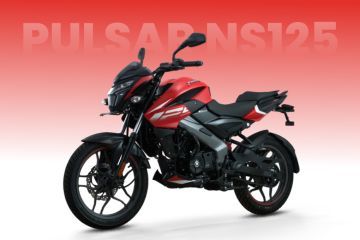 Rs. 99,622 EMI - Rs. 2,978 Get Navratri OffersYamaha FZ-FI Version 3.0
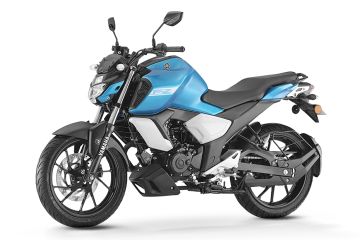 Rs. 1.17 Lakh EMI - Rs. 3,364 Get Navratri Offers
Pulsar NS 125 vs FZ-FI Version 3.0 Key Highlights
| Basic Info | Bajaj Pulsar NS 125 BT | Yamaha FZ-FI Version 3.0 STD |
|---|---|---|
| Rating |
421 reviews
|
261 reviews
|
| Brand Name | Bajaj | Yamaha |
| Ex-Showroom Price | Rs. 99,622 Check On Road Price | Rs. 1.17 Lakh Check On Road Price |
| Engine Type | 4-Stroke, SOHC 4-Valve, Air Cooled, BSVI Compliant DTS-i Ei Engine | Air cooled, 4-stroke, SOHC, 2-valve |
| Max Power | 12 PS @ 8500 rpm | 12.4 PS @ 7250 rpm |
| Fuel Type | Petrol | Petrol |
| Colors | ||
| Braking Type | Anti-lock Braking System | Not Available |
| Wheel Size | Front :-431.8 mm,Rear :-431.8 mm | Front :-431.8 mm,Rear :-431.8 mm |
| Wheels Type (Pressed Steel/ Alloy) | Alloy | Alloy |
| ABS | Single Channel | Single Channel |
| Starting | Kick and Self Start | Self Start Only |
| Speedometer | Digital | Digital |
| EMI |
Rs. 2,978
@
11.99% (36 months)
|
Rs. 3,364
@
9.45% (36 months)
|
| Insurance | Rs. 6,442 Pulsar NS 125 Insurance | Rs. 6,769 FZ-FI Version 3.0 Insurance |
| Brochure |
Download
Brochure
|
Download
Brochure
|
Engine |
|
||||||||||||||||||||||||||||||||||||||||||||||||||||||||||||||||||||||||||||||||||||||||||||||||||||||||||||||||||
|---|---|---|---|---|---|---|---|---|---|---|---|---|---|---|---|---|---|---|---|---|---|---|---|---|---|---|---|---|---|---|---|---|---|---|---|---|---|---|---|---|---|---|---|---|---|---|---|---|---|---|---|---|---|---|---|---|---|---|---|---|---|---|---|---|---|---|---|---|---|---|---|---|---|---|---|---|---|---|---|---|---|---|---|---|---|---|---|---|---|---|---|---|---|---|---|---|---|---|---|---|---|---|---|---|---|---|---|---|---|---|---|---|---|---|---|
Brakes |
|
||||||||||||||||||||||||||||||||||||||||||||||||||||||||||||||||||||||||||||||||||||||||||||||||||||||||||||||||||
Performance |
|
||||||||||||||||||||||||||||||||||||||||||||||||||||||||||||||||||||||||||||||||||||||||||||||||||||||||||||||||||
Suspension |
|
||||||||||||||||||||||||||||||||||||||||||||||||||||||||||||||||||||||||||||||||||||||||||||||||||||||||||||||||||
Tyres |
|
||||||||||||||||||||||||||||||||||||||||||||||||||||||||||||||||||||||||||||||||||||||||||||||||||||||||||||||||||
Dimensions |
|
||||||||||||||||||||||||||||||||||||||||||||||||||||||||||||||||||||||||||||||||||||||||||||||||||||||||||||||||||
Electricals |
|
||||||||||||||||||||||||||||||||||||||||||||||||||||||||||||||||||||||||||||||||||||||||||||||||||||||||||||||||||
Features |
|
||||||||||||||||||||||||||||||||||||||||||||||||||||||||||||||||||||||||||||||||||||||||||||||||||||||||||||||||||
Service Cost |
|
||||||||||||||||||||||||||||||||||||||||||||||||||||||||||||||||||||||||||||||||||||||||||||||||||||||||||||||||||
Warranty |
|
Pros and Cons
- Positives
- Negatives
- Frugal motor, Comfortable riding stance, Muscular design
- Not so peppy engine, Fit and finish isn’t as good
Is Bajaj Pulsar NS 125 Better Than Yamaha FZ-FI Version 3.0?
52% users have chosen Bajaj Pulsar NS 125 over Yamaha FZ-FI Version 3.0 in a survey being conducted on zigwheels.com.
Apart from this survey a total of 1801 users have also rated Bajaj Pulsar NS 125 and Yamaha FZ-FI Version 3.0 on some really important factors like Mileage , performance, comfort, safety etc. and have given their personal opinions about these bikes.
As per the users experiences Bajaj Pulsar NS 125 is a winner for you if you are seriously looking for maintenance in your bike. On the basis of mileage, performance, comfort and features user have rated both the bikes equally.
Before making your decision you should also consider the unbiased and thorough analysis of these bikes on every aspect by our auto experts who have summarised the analysis in pros, cons and final conclusion..
| Ratings Factor | Pulsar NS 125 | FZ-FI Version 3.0 |
|---|---|---|
| Mileage | 4.2 | 4.2 |
| Performance | 4.3 | 4.3 |
| Comfort | 4.3 | 4.4 |
| Maintenance | 4.0 | 3.8 |
| Features | 4.3 | 4.3 |

- Interact with community
- Become a Top Contributor
Videos of Bajaj Pulsar NS 125 and Yamaha FZ-FI Version 3.0

Bajaj Pulsar NS 125 Comparison with Similar Bikes


Latest News on Bajaj Pulsar NS 125 and Yamaha FZ-FI Version 3.0
-
 Bajaj Pulsar NS125 To Get Smarter & Receive New Shades28 Sep, 2026 | By Team ZigWheels
 -
Here’re The Best Selling Yamaha Two-Wheelers In June 202321 Jul, 2023 | By Team ZigWheels
-
Exclusive: Greener Bajaj Pulsar NS125 Launch Soon28 Mar, 2025 | By Team ZigWheels
-
Yamaha Updates Fazer FZ-15 In Brazil29 Aug, 2022 | By Team ZigWheels
-
BREAKING: Bajaj Pulsar NS125 ABS Variant Launched In India14 Feb, 2025 | By Team ZigWheels
-
Here Are Some New Details On The Upcoming Yamaha FZ-X16 Apr, 2021 | By Team ZigWheels
-
Bajaj Pulsar NS125 vs Hero Xtreme 125R vs TVS Raider 125 vs Honda SP125: Specification Comparison8 Mar, 2024 | By Team ZigWheels
-
The Yamaha FZ Sheds Weight And Packs New Features9 Feb, 2021 | By Team ZigWheels
-
2024 Bajaj Pulsar NS125 Launched At Rs 1.04 Lakh28 Feb, 2024 | By Team ZigWheels
-
Yamaha’s FZ Fi Bikes Now Come At A Slight Premium9 Nov, 2020 | By Team ZigWheels
Recently Asked User Questions
- The Bajaj Pulsar NS125 packs a peppy engine, is fun to ride, and could be the perfect beginner bike for you. The entry-level NS125 could be the perfect platform for those graduating from a scooter, and yearning to learn the ropes. On the other hand, TVS Raider's styling, features and performance will excite youngsters, and for someone looking at their first motorcycle, the Raider does make good sense. TVS has gone the smarter route, keeping a thrilling ride experience as the USP, instead of a purely commuter-centric approach. Moreover, we would suggest you to take a test ride before making the final decision. Follow the link and select your city and brand accordingly for dealership details.
- Yamaha FZ-FI V3 is a big bike with style, features, smooth engine. While its motor offers better fuel efficiency, it lacks grunt. The Yamaha FZ-X, on the other hand, is a great commuter thanks to its easy-going ergonomics and suspension. So, if you are on a hunt for a bike that stands out in the general crop of commuters in the segment, the Yamaha FZ-X is the one for you. Moreover, we would suggest you to take a test ride before making the final decision. Follow the link and select your desired city for dealership details.
- Selecting the right bike would depend on several factors such as your budget preference on the segment, features required, engine options, brand preference, etc. The KTM 125 Duke BS6 is the most affordable way into the KTM family. It Service as the perfect stepping stone to performance-oriented motorcycles. The only grouse is you may be able to master the motorcycle rather quickly, and the lack of power means you will be left craving for more performance. KTM 125 Duke is powered by a 124.7 cc engine. This Duke 125 engine generates a power of 14.5 PS @ 9250 rpm and a torque of 12 Nm @ 8000 rpm. The Bajaj Pulsar NS125 follows the same design ethos as its other NS siblings. The same wolf-inspired headlamp, muscular tank, chunky body, and split-seat setup make their way into the NS125. However, blame it on the skinny tyres and a slim telescopic fork, the proportions of the bike do not seem quite right. Bajaj Pulsar NS 125 is powered by 124.4 cc engine.This Pulsar NS 125 engine generates a power of 11.99 PS @ 8500 rpm and a torque of 11 Nm @ 7000 rpm. Moreover, we would suggest you to take a test ride before making the final decision. Follow the link and select your desired city for dealership.
Bajaj Pulsar NS 125 Vs Yamaha FZ-FI V3 FAQs
Images of Bajaj Pulsar NS 125 and Yamaha FZ-FI V3

- Home ›
- New Bikes ›
- Compare Bikes ›
- Bajaj Pulsar NS 125 vs Yamaha FZ-FI V3