Bajaj Pulsar 150 (2018-2026) vs Yamaha FZ-FI V3
Last Updated: August 25, 2026
Bajaj Pulsar 150 (2018-2026) price starts at Rs. 1.11 Lakh, which is Rs. 3,563 cheaper than the base variant of Yamaha FZ-FI V3, priced at Rs. 1.15 Lakh. In terms of mileage, the Pulsar 150 (2018-2026) offers a claimed 47.5 kmpl, while the FZ-FI Version 3.0 delivers 49.3 kmpl. On the performance front, the Pulsar 150 (2018-2026) uses a 149.5cc engine producing 14 PS @ 8500 rpm and the FZ-FI Version 3.0 a 149cc engine producing 12.4 PS @ 7250 rpm. If you're deciding between the Pulsar 150 (2018-2026) and FZ-FI Version 3.0, the Pulsar 150 (2018-2026) is the better pick for affordability and performance, while the FZ-FI Version 3.0 stands out for mileage and a lighter kerb weight.
...Read More
Pulsar 150 (2018-2026) vs FZ-FI Version 3.0 Comparison Summary
| Specification | Bajaj Pulsar 150 (2018-2026) | Yamaha FZ-FI V3 |
|---|---|---|
| Ex-showroom price (base) | Rs. 1.11 Lakh | Rs. 1.15 Lakh |
| Mileage | 47.5 kmpl | 49.3 kmpl |
| Engine | 149.5 cc | 149 cc |
| Max power | 14 PS @ 8500 rpm | 12.4 PS @ 7250 rpm |
| Kerb weight | 148 Kg | 135 Kg |
-
Bajaj Pulsar 150 (2018-2026)
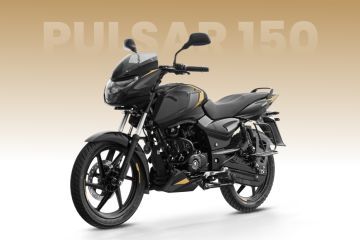 Rs. 1.11 Lakh EMI - Rs. 3,324 View August OffersYamaha FZ-FI Version 3.0
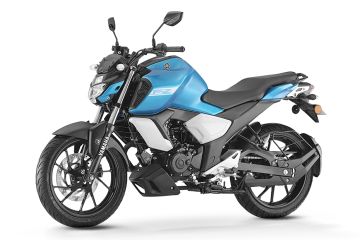 Rs. 1.15 Lakh EMI - Rs. 3,306 View August Offers
Pulsar 150 (2018-2026) vs FZ-FI Version 3.0 Key Highlights
| Basic Info | Bajaj Pulsar 150 (2018-2026) Single Disc | Yamaha FZ-FI Version 3.0 STD |
|---|---|---|
| Rating |
2101 reviews
|
257 reviews
|
| Brand Name | Bajaj | Yamaha |
| Ex-Showroom Price | Rs. 1.11 Lakh Check On Road Price | Rs. 1.15 Lakh Check On Road Price |
| Engine Type | 4-Stroke, 2-Valve, Twin Spark BSVI Compliant DTS-i FI Engine | Air cooled, 4-stroke, SOHC, 2-valve |
| Max Power | 14 PS @ 8500 rpm | 12.4 PS @ 7250 rpm |
| Fuel Type | Petrol | Petrol |
| Colors | ||
| Wheel Size | Front :-431.8 mm, Rear :-431.8 mm | Front :-431.8 mm,Rear :-431.8 mm |
| Wheels Type (Pressed Steel/ Alloy) | Alloy | Alloy |
| ABS | Single Channel | Single Channel |
| Starting | Kick and Self Start | Self Start Only |
| Speedometer | Digital | Digital |
| EMI |
Rs. 3,324
@
11.99% (36 months)
|
Rs. 3,306
@
9.45% (36 months)
|
| Insurance | Rs. 6,663 Pulsar 150 (2018-2026) Insurance | Rs. 6,731 FZ-FI Version 3.0 Insurance |
| Brochure |
Download
Brochure
|
Download
Brochure
|
Engine |
|
|||||||||||||||||||||||||||||||||||||||||||||||||||||||||||||||||||||||||||||||||||||||||||||||||||||||||||||||||||||||||||||||||
|---|---|---|---|---|---|---|---|---|---|---|---|---|---|---|---|---|---|---|---|---|---|---|---|---|---|---|---|---|---|---|---|---|---|---|---|---|---|---|---|---|---|---|---|---|---|---|---|---|---|---|---|---|---|---|---|---|---|---|---|---|---|---|---|---|---|---|---|---|---|---|---|---|---|---|---|---|---|---|---|---|---|---|---|---|---|---|---|---|---|---|---|---|---|---|---|---|---|---|---|---|---|---|---|---|---|---|---|---|---|---|---|---|---|---|---|---|---|---|---|---|---|---|---|---|---|---|---|---|---|---|
Brakes |
|
|||||||||||||||||||||||||||||||||||||||||||||||||||||||||||||||||||||||||||||||||||||||||||||||||||||||||||||||||||||||||||||||||
Performance |
|
|||||||||||||||||||||||||||||||||||||||||||||||||||||||||||||||||||||||||||||||||||||||||||||||||||||||||||||||||||||||||||||||||
Suspension |
|
|||||||||||||||||||||||||||||||||||||||||||||||||||||||||||||||||||||||||||||||||||||||||||||||||||||||||||||||||||||||||||||||||
Tyres |
|
|||||||||||||||||||||||||||||||||||||||||||||||||||||||||||||||||||||||||||||||||||||||||||||||||||||||||||||||||||||||||||||||||
Dimensions |
|
|||||||||||||||||||||||||||||||||||||||||||||||||||||||||||||||||||||||||||||||||||||||||||||||||||||||||||||||||||||||||||||||||
Electricals |
|
|||||||||||||||||||||||||||||||||||||||||||||||||||||||||||||||||||||||||||||||||||||||||||||||||||||||||||||||||||||||||||||||||
Features |
|
|||||||||||||||||||||||||||||||||||||||||||||||||||||||||||||||||||||||||||||||||||||||||||||||||||||||||||||||||||||||||||||||||
Service Cost |
|
|||||||||||||||||||||||||||||||||||||||||||||||||||||||||||||||||||||||||||||||||||||||||||||||||||||||||||||||||||||||||||||||||
Warranty |
|
Pros and Cons
- Positives
- Negatives
- The fans still like the iconic design
- Slightly sporty yet comfy riding posture
- Frugal motor, Comfortable riding stance, Muscular design
- Has become pretty pricey today
- Not everyone will dig the dated looks
- Not so peppy engine, Fit and finish isn’t as good
Is Yamaha FZ-FI Version 3.0 Better Than Bajaj Pulsar 150 (2018-2026)?
51% users have chosen Yamaha FZ-FI Version 3.0 over Bajaj Pulsar 150 (2018-2026) in a survey being conducted on zigwheels.com.
Apart from this survey a total of 11370 users have also rated Yamaha FZ-FI Version 3.0 and Bajaj Pulsar 150 (2018-2026) on some really important factors like Mileage , performance, comfort, safety etc. and have given their personal opinions about these bikes.
As per the users experiences Yamaha FZ-FI Version 3.0 is a winner for you if you are seriously looking for mileage, performance, comfort and features in your bike. On the basis of maintenance user have rated both the bikes equally.
Before making your decision you should also consider the unbiased and thorough analysis of these bikes on every aspect by our auto experts who have summarised the analysis in pros, cons and final conclusion..
| Ratings Factor | FZ-FI Version 3.0 | Pulsar 150 (2018-2026) |
|---|---|---|
| Mileage | 4.2 | 3.9 |
| Performance | 4.3 | 4.2 |
| Comfort | 4.4 | 4.1 |
| Maintenance | 3.8 | 3.8 |
| Features | 4.3 | 4.1 |

- Interact with community
- Become a Top Contributor
Videos of Bajaj Pulsar 150 (2018-2026) and Yamaha FZ-FI Version 3.0
- 5 Bike Launches In June 2022: Bajaj Pulsar N160, Royal Enfield Hunter 350, TVS Zeppelin, And More 1 Jun, 2022 10302 views 6:08
- Bajaj Pulsar 125 Neon Road Test,| Price, Mileage, Performance, Features 6 Sep, 2019 47693 views 6:02
-

Bajaj Pulsar 150 (2018-2026) Comparison with Similar Bikes
-
 BajajPulsar 150 (2018-2026)Rs. 1.11 LakhvsPulsar 150 (2018-2026) vs Pulsar 125 (2019-2026)
 BajajPulsar 125 (2019-2026)Rs. 90,494
 -
BajajPulsar 150 (2018-2026)Rs. 1.11 LakhvsPulsar 150 (2018-2026) vs Hunter 350
 Royal EnfieldHunter 350Rs. 1.38 Lakh
 -
BajajPulsar 150 (2018-2026)Rs. 1.11 LakhvsPulsar 150 (2018-2026) vs Pulsar NS 125
 BajajPulsar NS 125Rs. 99,622
 -
BajajPulsar 150 (2018-2026)Rs. 1.11 LakhvsPulsar 150 (2018-2026) vs Pulsar N160
 BajajPulsar N160Rs. 1.16 Lakh
 -
BajajPulsar 150 (2018-2026)Rs. 1.11 LakhvsPulsar 150 (2018-2026) vs FZS-FI V4
 YamahaFZS-FI V4Rs. 1.20 Lakh
 -
BajajPulsar 150 (2018-2026)Rs. 1.11 LakhvsPulsar 150 (2018-2026) vs Unicorn
 HondaUnicornRs. 1.15 Lakh
 -
BajajPulsar 150 (2018-2026)Rs. 1.11 LakhvsPulsar 150 (2018-2026) vs Apache RTR 160
 TVSApache RTR 160Rs. 1.13 Lakh
Latest News on Bajaj Pulsar 150 (2018-2026) and Yamaha FZ-FI Version 3.0
-
 BREAKING: New Bajaj Pulsar 150 Launched In India: Gets New Engine, Monoshock And TFT24 Aug, 2026 | By Team ZigWheels
 -
Here’re The Best Selling Yamaha Two-Wheelers In June 202321 Jul, 2023 | By Team ZigWheels
-
BREAKING: Bajaj Pulsar 150 To Get A TFT Console & More: OG Pulsar Celebrates Its 25th Anniversary This Year12 Aug, 2026 | By Team ZigWheels
-
Yamaha Updates Fazer FZ-15 In Brazil29 Aug, 2022 | By Team ZigWheels
-
Updated Bajaj Pulsar 150 To Launch In A Few Days: Bike Reaches Dealerships7 Aug, 2026 | By Team ZigWheels
-
Here Are Some New Details On The Upcoming Yamaha FZ-X16 Apr, 2021 | By Team ZigWheels
-
KTM’s Future Goes Desi: Bajaj To Take Full Control Of The Orange Brand27 Oct, 2025 | By Team ZigWheels
-
The Yamaha FZ Sheds Weight And Packs New Features9 Feb, 2021 | By Team ZigWheels
-
Bajaj Sales Report: November 20245 Dec, 2024 | By Team ZigWheels
-
Yamaha’s FZ Fi Bikes Now Come At A Slight Premium9 Nov, 2020 | By Team ZigWheels
Recently Asked User Questions
- Palsar
- Pulsar can easily touch triple digit speed on highway
- YES
- Palsar
- Pulsar - Old Style, No Updates. Fi Not available... But Yes still Value for money preposition. I am owning Yamaha FZS due to 1. Macho Looks2. Fi Technology3. Avg. - 45+ in City..Good Luck
- Pulsar150 Because My bike is giving 50 Kmpl in city
- Fz fi v3
- Fz
- Both are good , but Fz is more comfortable I think .Please test-drive both and finalise.
Bajaj Pulsar 150 (2018-2026) Vs Yamaha FZ-FI Version 3.0 FAQs
Images of Bajaj Pulsar 150 (2018-2026) and Yamaha FZ-FI V3

- Home ›
- New Bikes ›
- Compare Bikes ›
- Bajaj Pulsar 150 (2018-2026) vs Yamaha FZ-FI V3