 5 Things We Love About the 2026 Maruti Brezza Facelift
Tips and Tricks to Maintain Car Cooling Systems
- Published September 5, 2014
- Views : 45346
- 3 min read
-

-

-
 Follow us
Your car's cooling system is critical, especially in India's hot summers. Here are some tips that can help you maintain it.
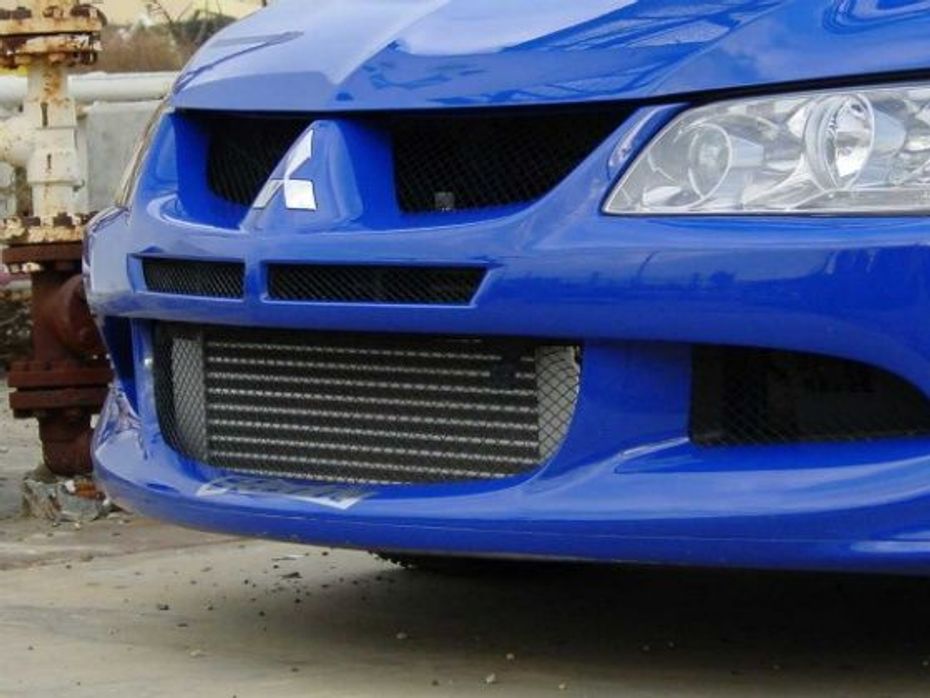
In a country like India where temperatures can surge to over 45 degrees Celsius, a reliable and well maintained cooling system could be the difference between a well running engine and one that can self implode.
Here are a few tips that can help you run a cool and composed engine:
1. Monitor fluid levels
Monitoring your car’s fluid levels, especially in the summer months is crucial. Do this once a week, preferably on a weekend. Remember to open the pressure filler cap on the radiator only when cold. Once the temperature builds up and the car begins to get warm, the radiator gets pressurized to improve the boiling point of the fluid. While water is an excellent conductor of heat, a mixture of coolant and water usually works best. Most manufacturers will advise a 100 per cent coolant or 50:50 per cent coolant to water ratio in their cars.
2. Hoses can wear over time.
The radiator hoses that connect the engine block and the water pump to the actual radiator are a crucial part of the cooling system. Rubber parts, under the extreme environment that gathers below the bonnet are usually the most prone to wear and tear. Considering the sheer pressure that the hot water exerts of the walls of the hoses, even the smallest leak or crack in the rubber can lead to a major issue. Loss of pressure in the cooling circuit can not only a sudden increase in water temperature but can also lead to overheating of the engine. The best way to check if your hoses are leaky is to give them a thorough once over visually. If you find a layer of green liquid or moisture of any sort, they might need replacing immediately.
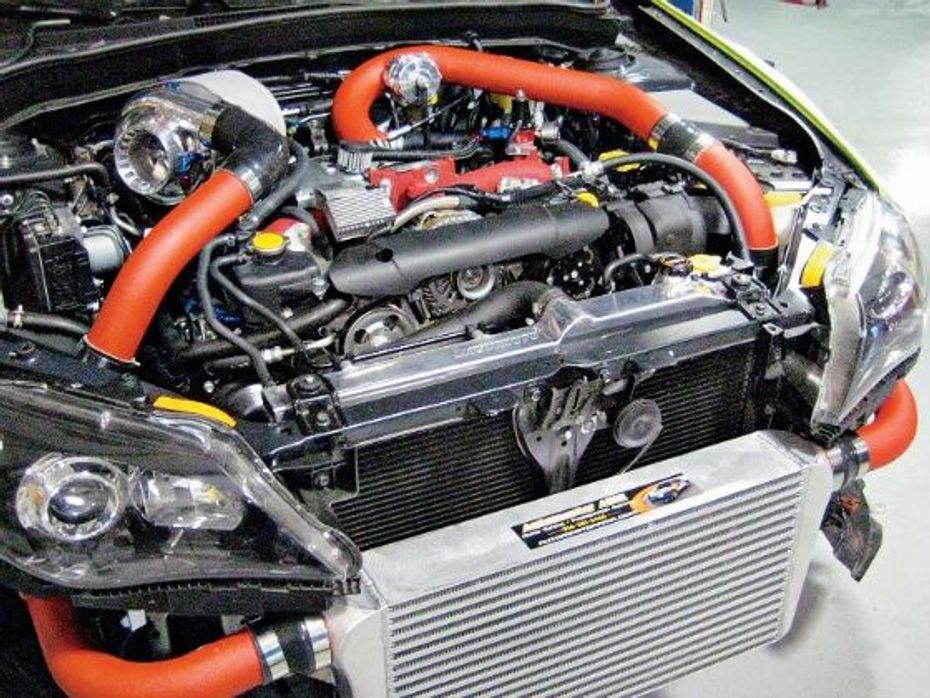
picture credit: Import Tuner
3. Different types of cooling systems
Most modern cars come with two coolant liquid reservoirs. One of course, is the radiator, the other being either a surge tank or a degassing tank. Usually, cars that have no filler cap on the actual radiator are fitted with a degassing tank. The degassing tank acts as a pressurized part of the cooling system and is to be filled regularly. In the past, most cars built for motor sport applications were fitted with a separate degassing tank in order to preserve the integrity of the radiator and to add an extra reservoir so as to increase fluid capacity. Most larger cars, or high performance cars today come standard with a degassing tank. The degassing tank, also acts as a release mechanism for trapped air or gas bubbles thereby making sure the system runs perfectly.
Cars such as hatchbacks usually come fitted with an extra plastic tank with a non-pressurized seal. This is a surge tank. All this does is to collect extra fluids in case of a high-pressure situation. In case of an overheating, it is imperative to remember than one should fill the radiator and not the surge tank in order to cool the car down.
4. Cooling fans
Your car’s cooling fan is as responsible in cooling the radiator down as are the likes of the water pump. In case the fan stops working, check the fuses and solenoids that connect to the fan to see if they are worn. If need be connect the fan directly to the battery so as to avoid major engine wear caused due to overheating.
Add Your Comments


See what our community has to say! NEW
India's largest automotive community
Explore Now

Latest Cars
-
 Mahindra Scorpio N
₹ 13.69 Lakh
Mahindra Scorpio N
₹ 13.69 Lakh
-
Toyota Hilux
₹ 31.99 Lakh
-
Honda ZR-V
₹ 47.99 Lakh
-
Maruti Suzuki Brezza
₹ 7.40 Lakh
-
Mercedes-Benz AMG E 53
₹ 1.45 Crore
Upcoming Cars in India
-
Mahindra Global Pik Up
Rs. 25.00 Lakh
Launch : Aug 15, 2026 -
Mahindra Bolero 2026
Rs. 10.00 Lakh
Launch : Aug 16, 2026 -
Skoda Slavia Facelift
Rs. 11.99 Lakh
Launch : Aug 18, 2026 -
BMW X1 LWB
Rs. 51.00 Lakh
Launch : Aug 21, 2026 -
Audi Q3 2026
Rs. 48.00 Lakh
Launch : Aug 25, 2026
- Latest
- Popular
-
5 Things We Love About the 2026 Maruti Brezza Facelift
-
 2026 Tata Nexon Camo Edition Launched: Does It Get Sweeter For The Urban Jungle?
-
 2026 Mahindra Scorpio N Facelift Launched With Minor Styling Upgrades And New Features!
-
 Toyota Hilux Gets a New Face, Yet Still A Lot Of Features Missing
-
BMW 7 Series And i7 Facelift Pre-Bookings Open
Top Expert Reviews
-
MG Astor First Drive Review: Standing Out In Style
-
2021 Mahindra XUV700: First Drive Review
-
Kia Sonet Driven: More Than Just A Great Brochure?
Best Cars
-
Tata Nexon
Rs. 7.40 Lakh1199 cc | 17.2 kmpl | 118.3 bhp
-
Nissan Tekton
Rs. 10.49 Lakh1333 cc | 18.5 kmpl | 160.8 bhp
-
Hyundai Creta
Rs. 10.91 Lakh1497 cc | 17.4 kmpl | 113.2 bhp
-
Kia Seltos
Rs. 11.00 Lakh1482 cc | 158 bhp
-
Hyundai Venue
Rs. 8.00 Lakh998 cc | 20 kmpl | 118 bhp
×