ZXMoto 820RR-R; A Proper Kawasaki Ninja ZX-6R Rival Is Here
- Jul 9, 2026
- Views : 14963



 Follow us

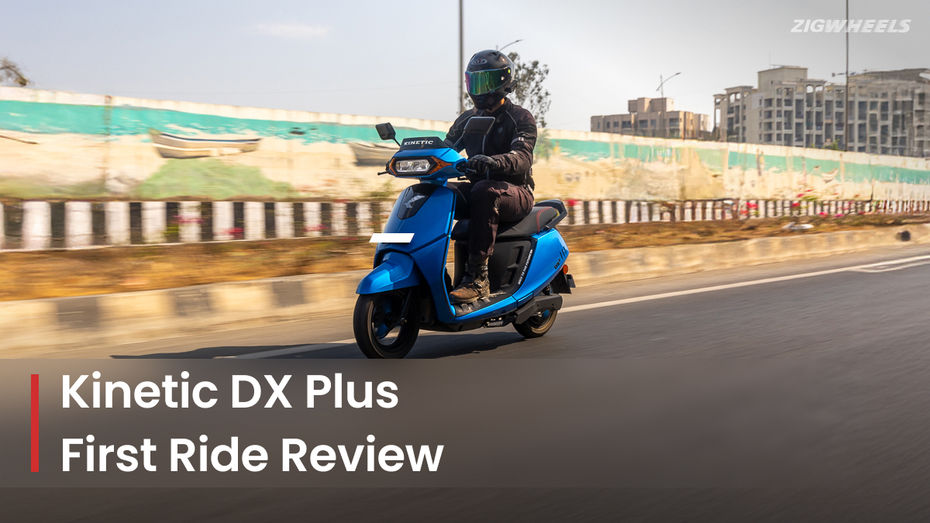
There was a time when the Kinetic Honda DX was everywhere. School runs, grocery trips, and family errands were part of everyday life. Millennials still fantasise about the raw performance. But for my generation, I don’t have any recollection of the scooter.
Fast forward to 2026, and the Kinetic DX is back. But this time, it’s electric. Now, while that might instantly spark nostalgia for some, this isn’t 1998 anymore. The electric scooter space today is packed with seriously capable options. Which means the new DX can’t just rely on its name; it has to prove itself as a solid, modern scooter.
So the question is simple: is this a worthy comeback… or just a regular scooter with a lot of nostalgia wrapped around its persona?
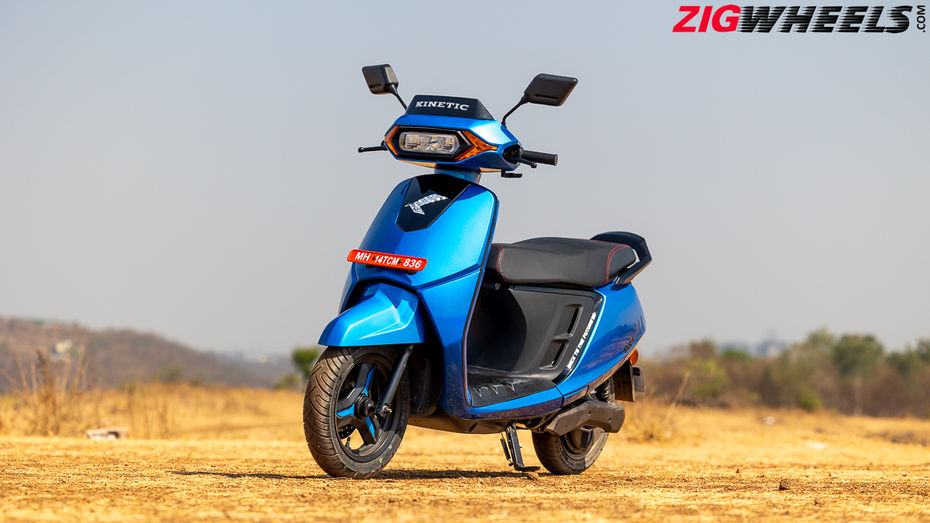
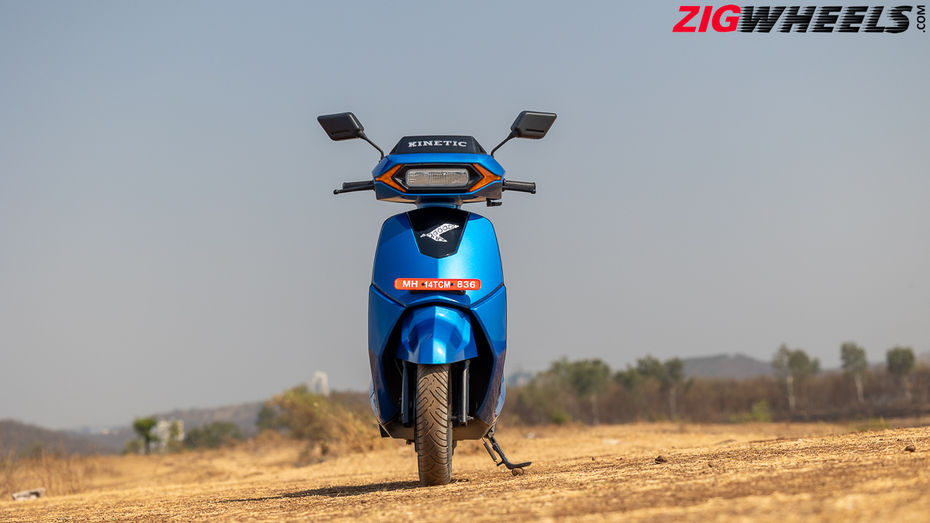
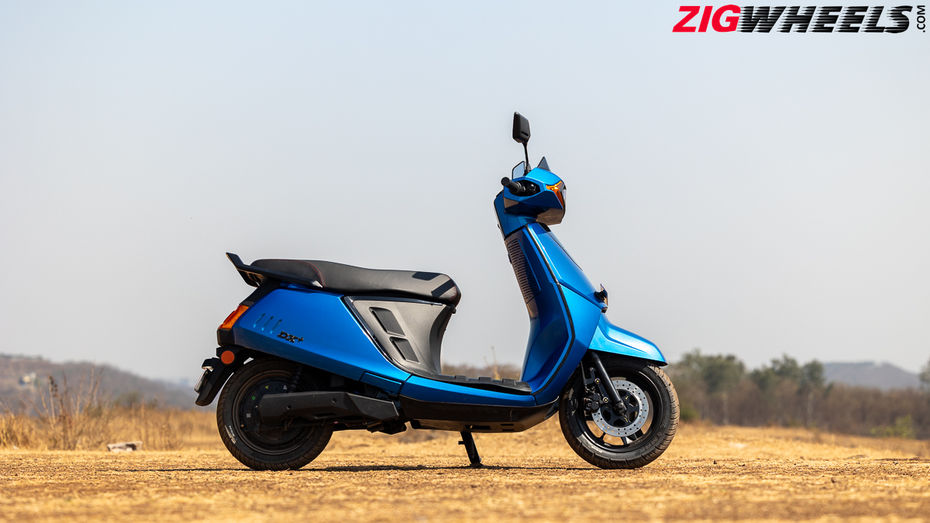
Design is where the Kinetic DX is clearly trying to channel its old-school roots. But instead of feeling retro-cool, it comes across as slightly awkward. The front end is where things start to feel off. That wide, slightly boxy headlight cowl doesn’t quite gel with the clean, futuristic designs we’re used to seeing in electric scooters today. Yes, it stands out, but not necessarily in a good way.
From the side, it looks long and carries a hint of the original DX silhouette. The rear is relatively cleaner, but that black panel around the taillight feels like an afterthought. A body-coloured finish would’ve made it look far more premium.
What is a bigger disappointment, though, is the build quality. Our test scooter, with just around 800km on the odo, had already started developing rattles. The mirrors feel flimsy, the switchgear lacks tactile feedback, and the buttons are so closely packed that you’ll often press the wrong one.
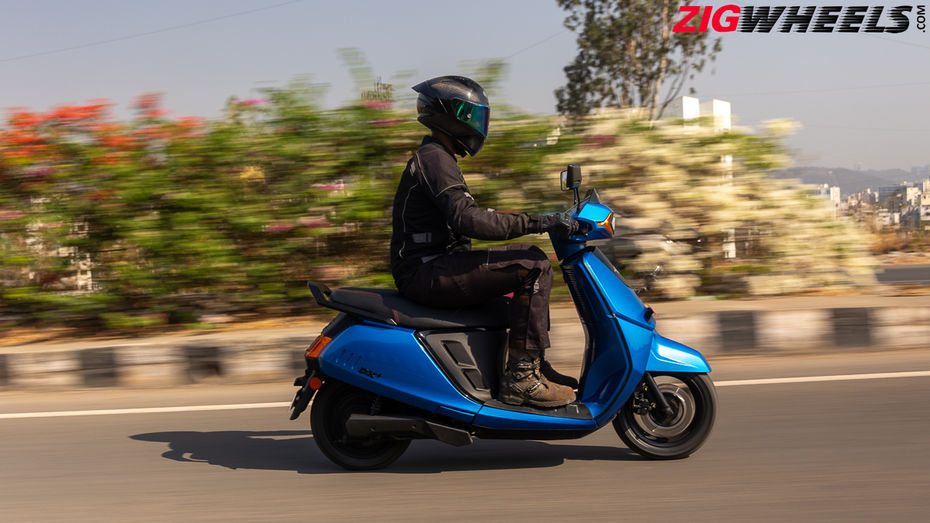
The moment you get on the scooter, the high floorboard becomes immediately noticeable. It forces your legs into an awkward knees-up position, making the riding posture feel cramped.
For my 6-foot frame, it’s outright uncomfortable. But even if you’re closer to 5’6”, this isn’t a scooter you’d want to spend long hours on. Within 15–20 minutes, you’ll find yourself shifting around, trying to get comfortable and failing.
Strangely enough, the pillion seat is actually quite good. It’s long, spacious, and the footpeg positioning is spot on. In fact, you might just prefer sitting at the back rather than riding it.
Powering the DX is an electric hub motor that has a peak power of 4.78kW. And performance is decent at best. It’s not going to blow your mind, but for city commutes, it gets the job done. Acceleration is smooth, throttle response is predictable, and it feels easy enough to ride in traffic.
You get three riding modes: Range, Power and Turbo. Range mode is the most efficient, but also the slowest, topping out at around 50kmph. Power mode is where the scooter feels most usable, offering a good balance between performance and efficiency. Turbo mode unlocks the full potential, with a claimed top speed of 90kmph, making overtakes easier.
Overall, it’s a friendly scooter, just not an exciting one.
The DX comes with a 2.6kWh battery pack, with a claimed real-world range of 105km.
However, considering the fact that Range mode isn’t actually that usable for commuting, expect the range to be somewhere between 75-85km. That’s decent, but not particularly impressive in today’s context.
The biggest highlight of the DX is its charging setup. You get a 760W onboard charger neatly integrated into the scooter, along with a retractable cable. It’s a thoughtful touch, no need to carry a separate charger, and it doesn’t eat into your storage space either. Charging from 0 to 80% takes about 3 hours, which is pretty quick enough.
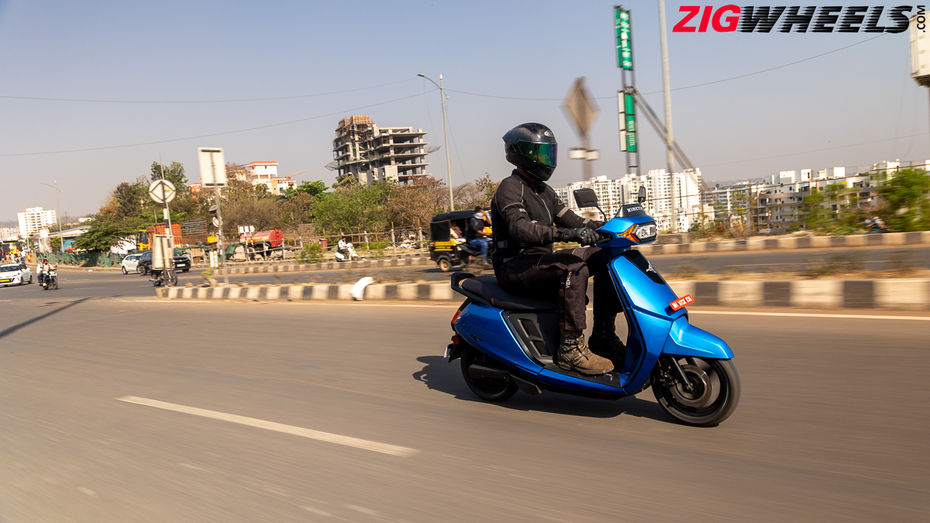
The DX is easy to ride, no doubt about that. It feels manageable in traffic and doesn’t feel intimidating at low speeds. But it lacks the agility and sharpness you’d expect from a modern electric scooter. Part of that comes down to the awkward ergonomics, which hold you back from really enjoying corners.
Braking performance is decent. There’s enough bite, and the feel at the levers is predictable, which is reassuring in emergency situations.
Ride quality, however, is a mixed bag. The suspension setup leans towards the firmer side, which means bad roads are felt more than you’d like. It’s not plush like a family scooter, and not sporty enough to justify the stiffness either.
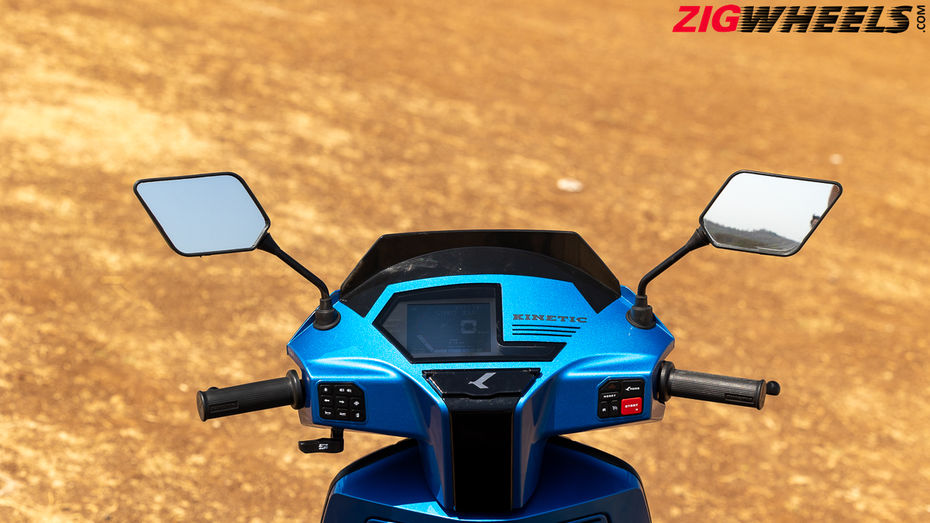
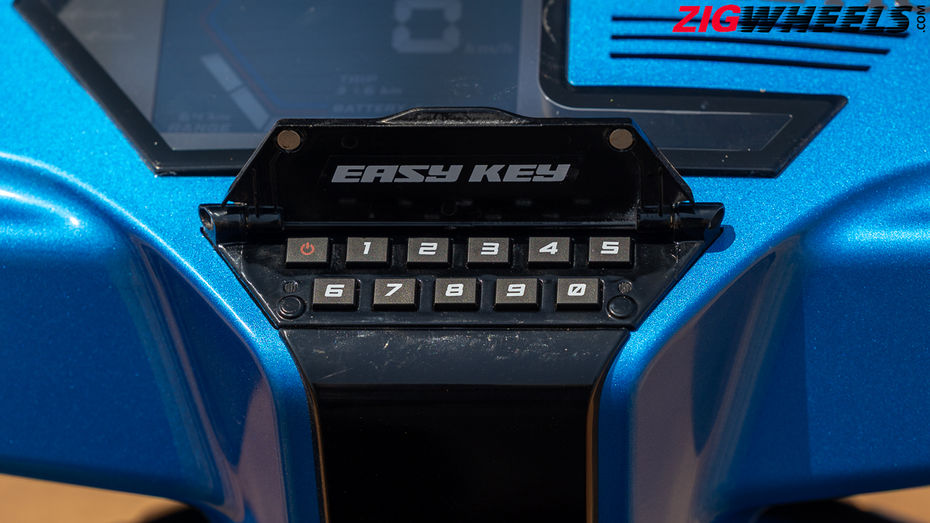
The Kinetic DX tries to stand out with a few quirky features. The most notable one is the keypad-based unlock system. No key, no key fob, just enter a password and go. It’s different, sure, but it also raises questions about convenience and security. What if someone gets to know your password? You have then practically handed them the scooter.
The instrument console is a basic colour LCD unit, but it feels cluttered and isn’t very readable under sunlight. While it shows all the required information, the display isn't noteworthy.
You do get features like cruise control, hill hold assist, reverse mode, and voice assist. They’re useful, but when you look at what rivals are offering in 2026, this list feels a bit underwhelming.
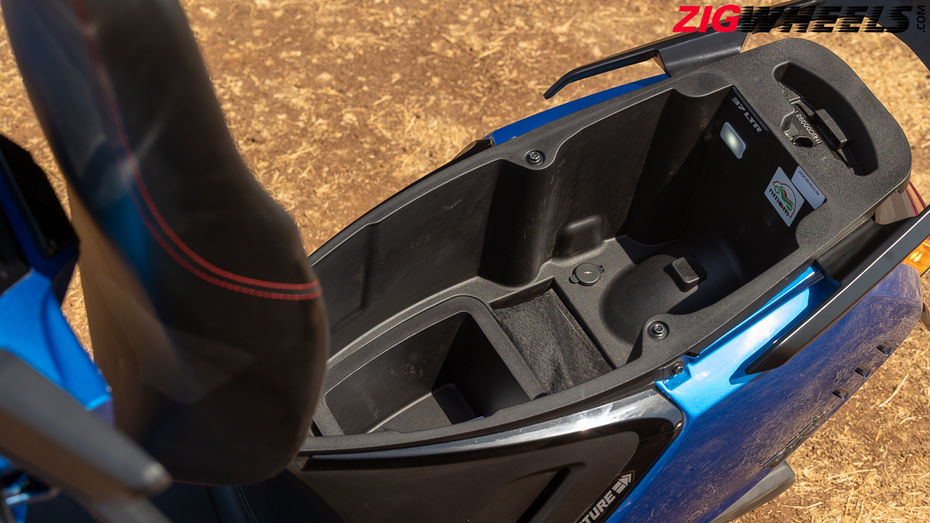
If there’s one area where the DX really delivers, it’s practicality. The 37-litre underseat storage is genuinely impressive. It can easily handle groceries, bags, and everyday essentials without any fuss. Add to that the two bag hooks at the front, and this becomes a genuinely usable scooter for daily errands.
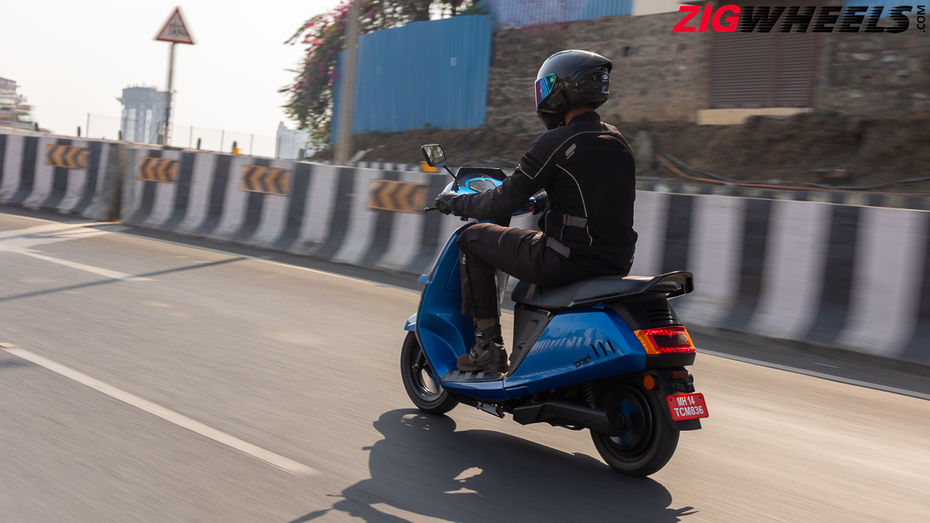
The Kinetic DX is an interesting product. It has a familiar name, a unique approach, and enough performance to get through daily commutes. But in a market as competitive as this, that’s just not enough.
It’s held back by poor build quality, cramped ergonomics, irritating ride quality, and a design that won’t appeal to everyone. For Rs 1,11,499 and Rs 1,17,499 for the base and top variants (ex-showroom, Pune), respectively, it sits in a space where buyers have far better options. And even if you look past all the shortcomings, you won’t be able to get your hands on one, as the scooter is available only in a few cities across India. That said, Kinetic is expanding its dealer network rapidly.
All said and done, if you’re someone who values the Kinetic legacy and wants something different, you might still find it appealing. But if you’re looking for a well-rounded, polished electric scooter, you’re better off looking elsewhere.


ZXMoto 820RR-R; A Proper Kawasaki Ninja ZX-6R Rival Is Here
Decathlon Expands Its Rockrider Series With The Launch Of 3 New Made...
Independence Day Special: Top 5 Bikes That Put Indian Brands on The...
Boss Hoss America To Introduce A Cruiser Bike With A Massive...
World’s Lightest Off-road Helmet: Axor MX Carbon Launched
Why the No-Claim Bonus Matters When Transferring Used Car Insurance
India's largest automotive community
MG Hector Tomahawk PHEV
₹ 25.69 Lakh
MG Hector Tomahawk EV
₹ 19.49 Lakh
BMW X1 LWB
₹ 49.90 Lakh
Mahindra Scorpio N
₹ 13.69 Lakh
Toyota Hilux
₹ 31.99 Lakh
Kia Sorento
Rs. 25.00 Lakh
BMW i7 Facelift
Rs. 2.10 Crore
BMW 7 Series Facelift
Rs. 1.80 Crore
Skoda Superb 2026
Rs. 50.00 Lakh
Skoda Slavia Facelift
Rs. 11.99 Lakh