


 2026 Skoda Slavia Facelift Vs Honda City: Which Sedan Should You Buy In 2026 And Why?
Reise Traverse All-Terrain Suit Review | Comfort, Protection and Touring Practicality
- Published November 15, 2026
- Views : 13
- 9 min read
-

-

-
 Follow us
We put the Reise Traverse All-Terrain Suit to the test in the ZigWheels Protection Detail Lab. Here's how it fares on comfort, protection and touring practicality.
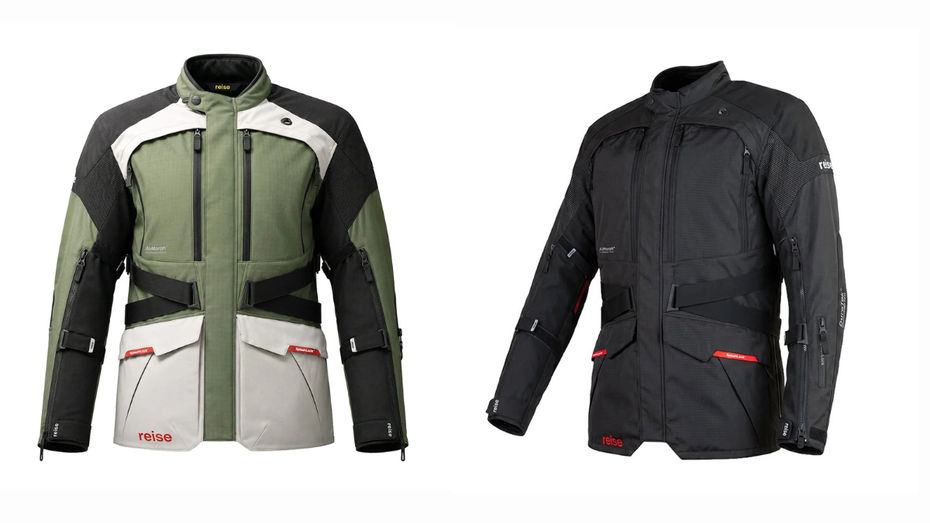
Adventure riding asks a lot from your gear. It has to protect you when things go wrong, keep you comfortable when you're spending hours in the saddle, and be practical enough to live with when the ride takes you far from home.
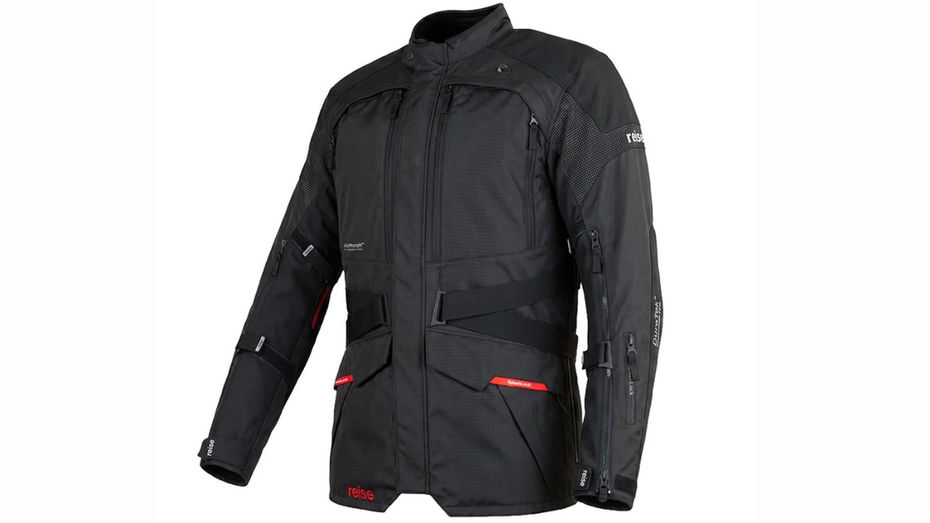
The Reise Traverse All-Terrain Suit is designed to do all three. It combines a touring jacket and pant with CE Level 2 D3O armour, abrasion-resistant materials, adjustable ventilation and a host of features aimed at making long-distance riding easier.
But a long list of features doesn't always tell you what a suit is like to use. So we put the Traverse through a series of simple tests and looked at it across three areas that matter most: comfort, mobility and protection, and touring practicality.
Comfort
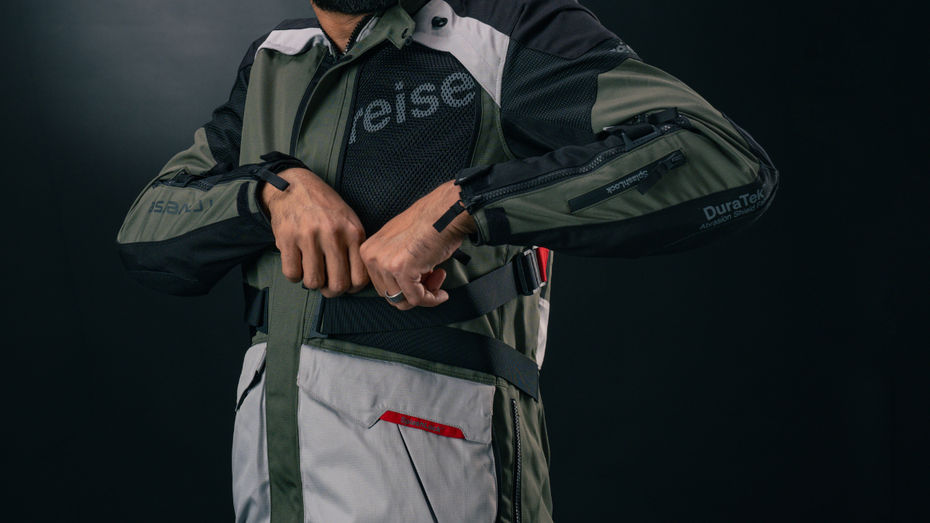
The first thing you notice about adventure riding gear is how much of it there is. You've got armour, reinforcements, multiple adjustment points and enough material to protect you when things don't go according to plan. The challenge is making all of this work without restricting your movement or becoming uncomfortable after a few hours.
Mobility
We started with a simple question. How easy is it to move around in the Traverse?
We tried squatting, walking, climbing, getting on and off the motorcycle, and moving between seated and standing riding positions. These are all things you end up doing on an adventure ride, whether you're negotiating a difficult section of trail or simply stopping for a break.
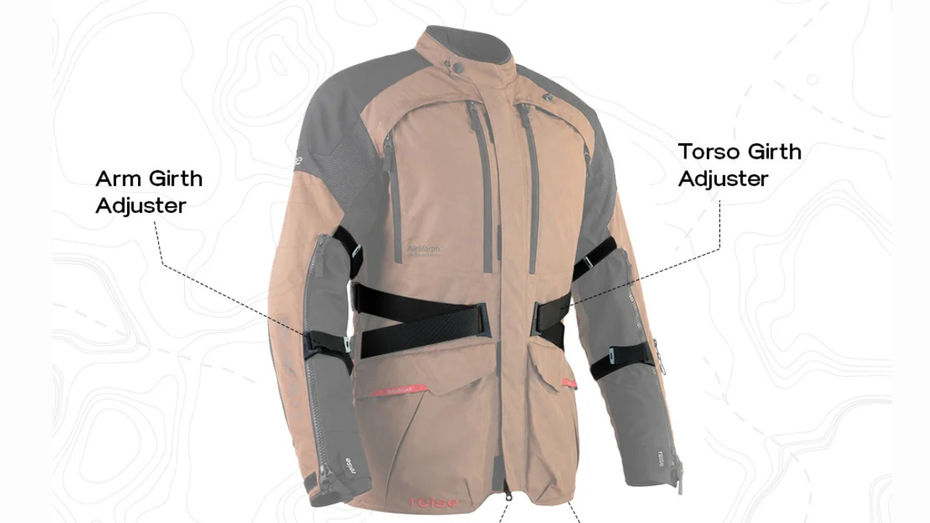
The Traverse uses four-way stretch panels and multiple adjustment points to help with movement. These allow the jacket and pants to accommodate changes in riding position without making the suit feel unnecessarily restrictive.
The fit is particularly important around the shoulders, elbows, waist and knees. These are the areas that do most of the work when you're moving around on a motorcycle, and they need enough room to do so comfortably.
The idea here is simple. Riding gear shouldn't make it difficult to move around on the bike it's supposed to be used on.
Ventilation
Heat is another thing you have to deal with when riding in India. A suit that works well on a cool morning can become uncomfortable once the temperature climbs, particularly when you're moving slowly or spending time in traffic.
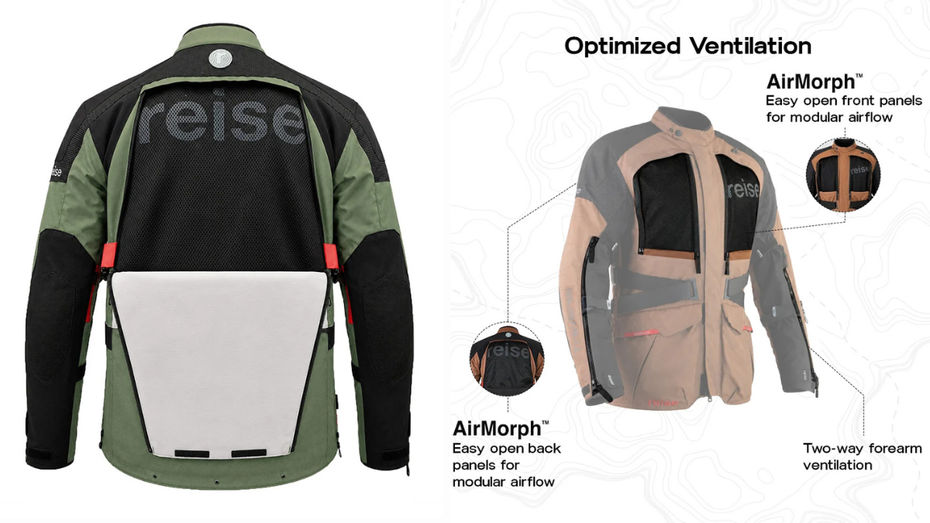
The Traverse uses Reise's AirMorph ventilation system, which lets you adjust airflow through the jacket depending on the conditions.
We demonstrated this using a simple fan test, with lightweight ribbons around the ventilation openings to make the airflow visible. It's a basic way of showing how air moves around the suit when the vents are opened.
Of course, this isn't a test of how cool the jacket will feel on a hot afternoon. That depends on the temperature, humidity, riding speed and how much airflow actually reaches the rider. But it does help demonstrate the ventilation system and how it works.
Actual Comfort
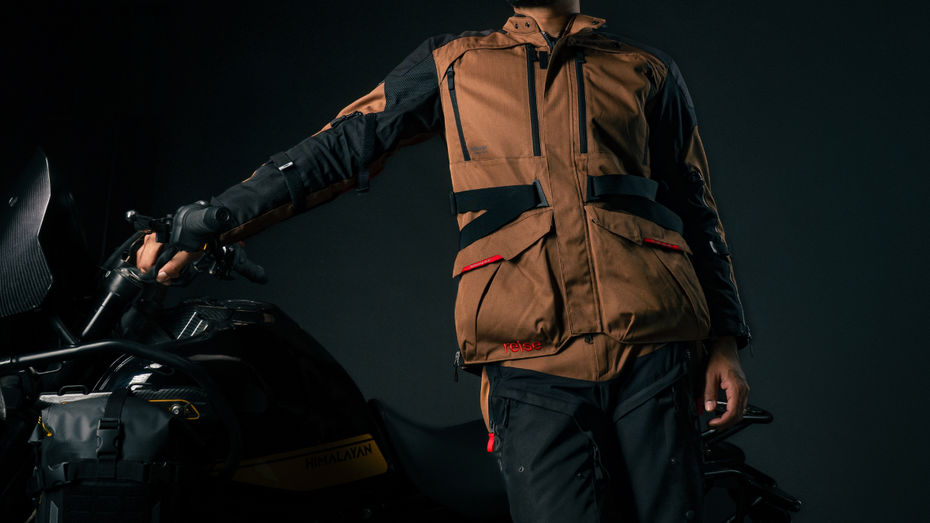
Mobility and ventilation are important, but neither tells you the whole story.
The real question is how the suit feels when you're wearing it for an extended period. The weight of the gear, the fit around the shoulders and knees, the feel of the armour and how easily you can move around all contribute to the experience.
The Traverse is a substantial touring suit, so the expectation isn't that you'll forget you're wearing it. What matters is whether it allows you to get on with the ride without constantly adjusting the fit or feeling restricted.
The multiple adjustment points help tailor the fit, while the stretch panels allow for movement. The jacket and pants are also designed to work together rather than as two completely separate pieces of riding gear.
Ultimately, comfort is something that becomes clearer with time in the saddle. A quick test can tell you whether the suit allows you to move, but longer rides are what tell you how well it works over an entire day.
Mobility & Protection
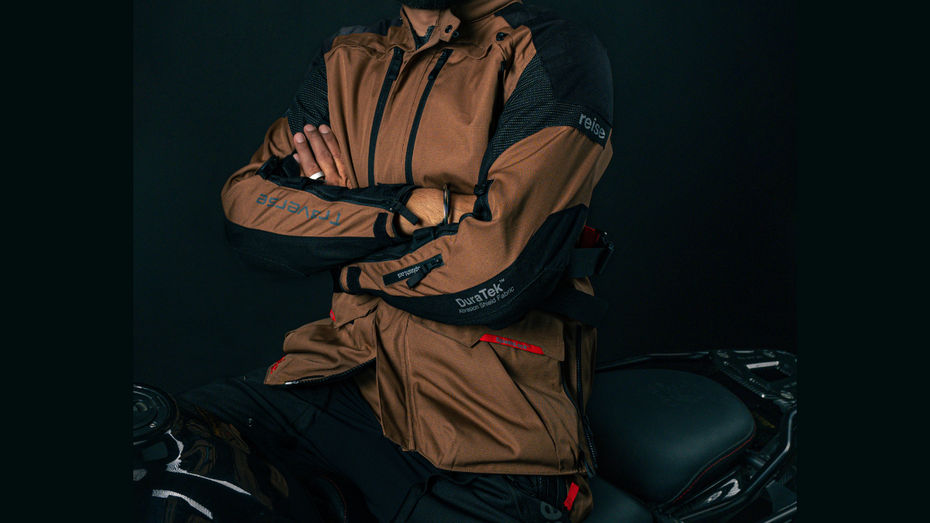
Protection is the main reason for wearing motorcycle gear in the first place. And with a suit like the Traverse, there's more to look at than just the armour inside it.
The protectors, outer materials, reinforcements, stitching and construction all play a part in how the suit is designed to perform.
The Armour Test
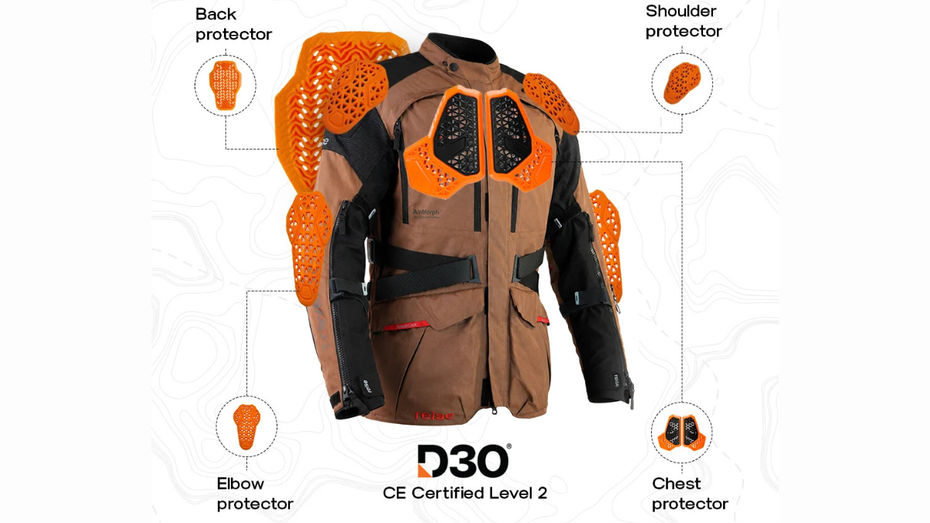
The Traverse uses CE Level 2 D3O protection across several major impact zones.
The jacket gets D3O T5 EVO PRO X Level 2 shoulder and elbow protectors, along with a D3O Viper Air Level 2 back protector and D3O CP2 chest protectors. The pants use D3O T5 EVO PRO X Level 2 protectors at the knees and hips.
That's a fairly comprehensive spread of armour, covering the areas you'd expect to need protection in a fall.
For our test, we took a slightly less conventional approach. We dressed a host in the Traverse and put him through the Protection Detail Lab's very scientific Office Ambush Test, using plastic baseball bats to demonstrate the locations of the armour.
And before you try this at home, remember that we're willing to put our colleague in harm's way so you don't have to.
Jokes aside, this isn't a test of the armour's impact performance. That is what the CE certification is for. The demonstration simply gives us a way to show where the protectors sit and how the suit covers the major impact zones.
We also removed the D3O inserts to look at their shape, flexibility and construction. Flexibility matters because the armour needs to work alongside the movement of the rider rather than making the suit unnecessarily rigid.
Abrasion & Construction
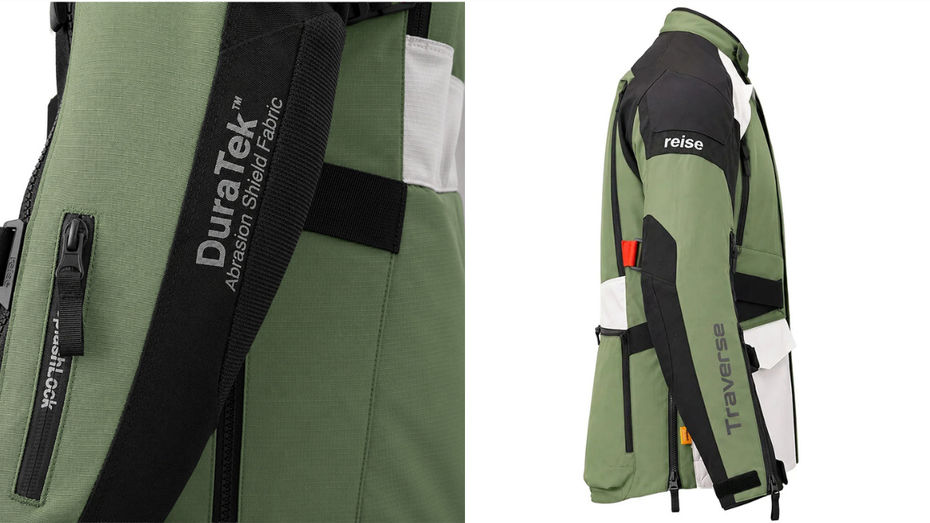
Impact protection is only one part of the equation. The outer shell also needs to be able to deal with contact against rough surfaces.
The Traverse uses Cordura, SuperFabric reinforcement and heavy-duty ripstop construction across the jacket and pants. These materials are used to provide abrasion resistance and reinforcement in key areas.
To demonstrate this, we used rough surfaces such as concrete and gravel for a simple, controlled abrasion test. We then inspected the material and stitching up close.
This isn't a substitute for a standardised abrasion test, but it gives us a look at the materials and construction without simply reading out the specifications.
The reinforced panels are particularly worth looking at because not every part of a riding suit faces the same demands. Some areas need more reinforcement, while others need to allow for movement.
The overall construction is designed to balance these requirements, rather than making the entire suit one thick, inflexible shell.
Water Resistance
Weather is another part of adventure riding that you can't always plan for. You could leave home in sunshine and find yourself riding through rain a few hours later.
The Traverse uses water-resistant construction designed to deal with changing weather conditions. To demonstrate how the suit handles exposure to water, we took it to a car washing centre and gave it a thorough soaking.
The test focused on the outer material, zips, closures and the connection between the jacket and pants. After the wash, we inspected the suit and checked the inside for signs of water ingress.
It's worth making a distinction here. A pressure wash is a useful visual demonstration, but it doesn't establish a formal waterproof rating or guarantee that the suit will keep you dry in every condition. The result also depends on how the garment is constructed, how the closures are secured and how long it's exposed to water.
What this test does is give us a closer look at the suit's construction and how it responds to a direct and sustained spray of water.
Touring Practicality
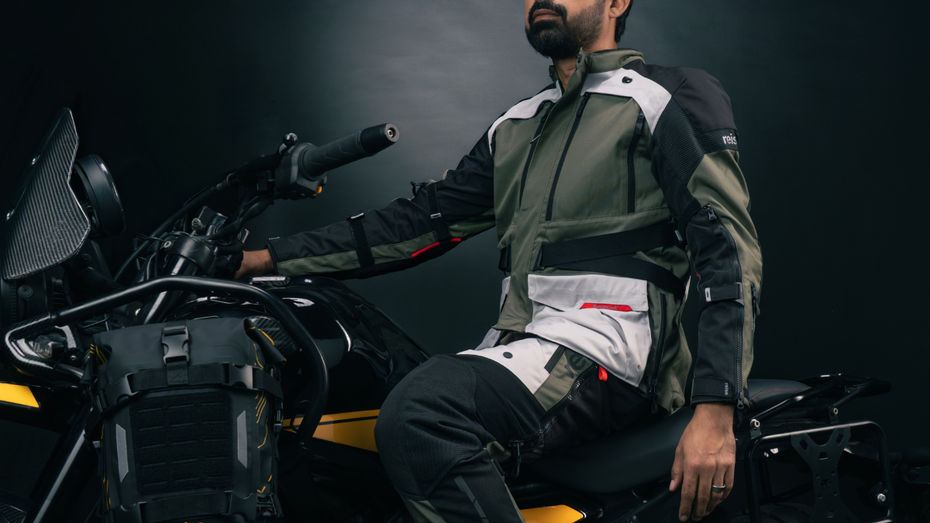
Adventure riding gear has to do more than protect you on the motorcycle. You also have to live in it.
You put it on, ride for hours, stop for fuel, walk around, get back on the bike and repeat the process. The little details can make a difference over the course of a long trip.
Living In The Suit
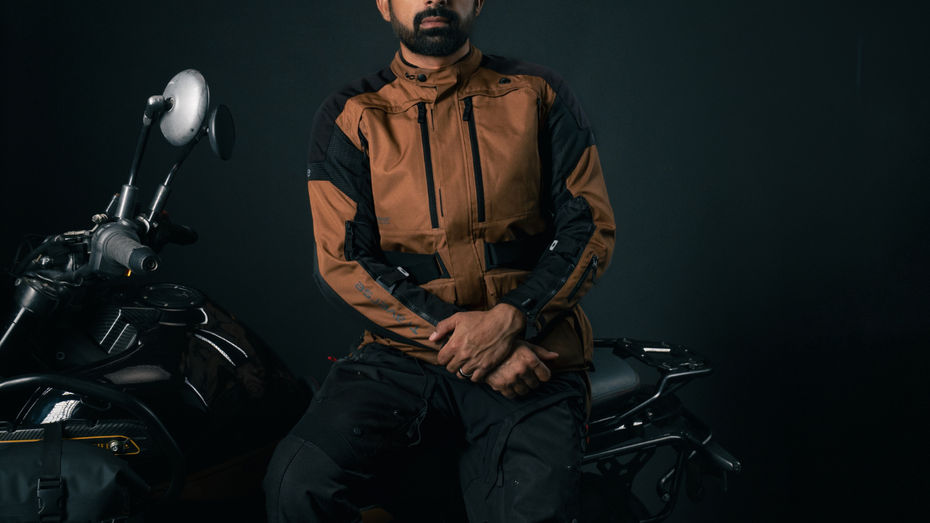
The Traverse comes with several features aimed at making this easier.
The jacket has touring storage and adjustment options, while the pants get integrated suspenders. There's also boot compatibility, reflective detailing and a 360-degree zip that connects the jacket and pants.
The jacket-pant connection is particularly useful because it allows the two pieces to function as a complete touring system. It also means you're not relying on two completely separate garments to do their jobs.
The pockets and storage options are worth looking at in the same way. When you're touring, you want the things you need to be accessible without having to unpack your motorcycle every time you stop.
The suspenders help keep the pants in place, while the adjustment points let you fine-tune the fit. Reflective detailing adds another practical touch for riding in low-light conditions.
None of these features is particularly exciting on its own. But when you're wearing the suit for hours at a time, they're the sort of things you begin to appreciate.
Real-World Experience
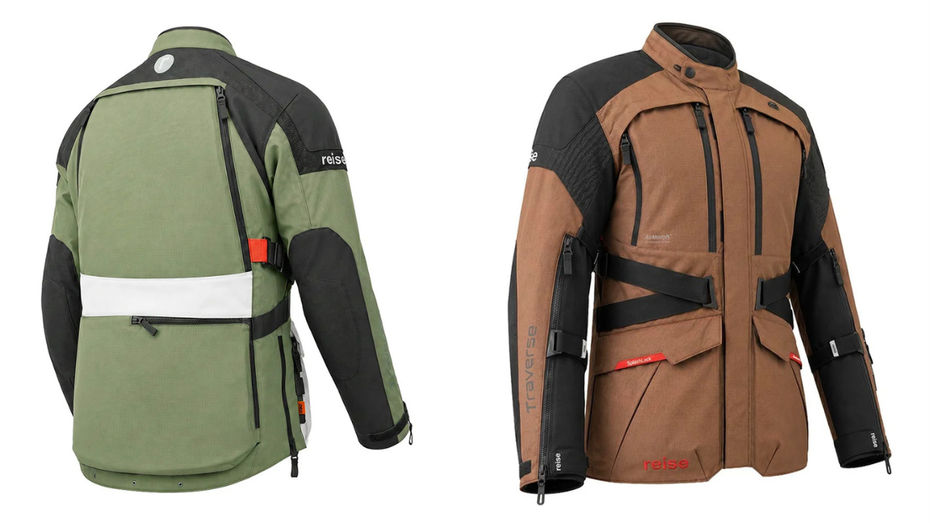
This is where the lab tests take a back seat and actual riding becomes more important.
The suit might move well during a squat test, but how does it feel when you're standing on the pegs? The ventilation might work in front of a fan, but how useful is it once you're out on the road? And while the armour and reinforcements look reassuring, how comfortable are they after several hours in the saddle?
These are questions that are best answered by spending time in the gear.
Our real-world footage looks at the Traverse in use, from getting ready for a ride to spending time on the motorcycle and stopping along the way. It also gives us a chance to look at the suit as a complete system, rather than treating the jacket and pants as separate products.
The important things here are the fit, freedom of movement, ventilation, ease of use and how naturally the suit works with the rider's movements.
This is also where touring practicality comes into its own. The pockets, suspenders, adjustments and jacket-pant connection might not make much difference during a quick ride around town, but they become more relevant when you're spending an entire day in the gear.
The Verdict
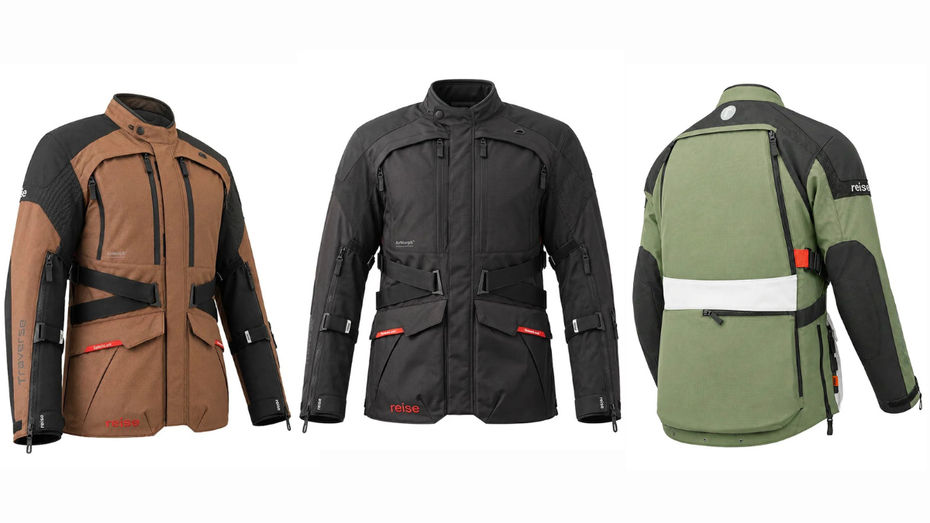
The Reise Traverse All-Terrain Suit brings together a comprehensive set of features for adventure and touring riders. The CE Level 2 D3O armour covers the major impact zones, while Cordura, SuperFabric and ripstop construction provide reinforcement across key areas. The four-way stretch panels, AirMorph ventilation system and multiple adjustment points address the demands of all-day riding, while the storage, suspenders, boot compatibility and 360-degree jacket-pant connection make it a more complete touring setup.
What matters, though, is how all these elements work together. Protection is important, but so is being able to move freely. Ventilation matters, but so does the fit. And a suit designed for long-distance riding needs to be practical enough to use day after day.
The Protection Detail Lab gives us a way to look at these features more closely, but the real measure of a touring suit is how well it works once you leave the studio and get out on the road.
That's where the Reise Traverse ultimately needs to make its case.
Add Your Comments


See what our community has to say! NEW
India's largest automotive community
Explore Now

Latest Cars
-
 Denza Z9 GT
₹ 1.56 Crore
-
Denza D9
₹ 90.00 Lakh
-
Mercedes-Benz GLC Electric
₹ 78.50 Lakh
-
Maserati GT2 Stradale
₹ 5.72 Crore
-
Maserati Grecale
₹ 1.14 Crore
Upcoming Cars in India
-
VinFast VF5
Rs. 12.00 Lakh
Launch : Nov 17, 2026 -
VinFast VF3
Rs. 10.00 Lakh
Launch : Nov 25, 2026 -
Toyota Innova Hycross Facelift
Rs. 20.00 Lakh
Launch : Nov 25, 2026 -
Mini Cooper SE
Rs. 50.00 Lakh
Launch : Nov 27, 2026 -
Toyota Fortuner Next Gen
Rs. 40.00 Lakh
Launch : Dec 1, 2026
- Latest
- Popular
-
2026 Skoda Slavia Facelift Vs Honda City: Which Sedan Should You Buy In 2026 And Why?
-
 TVS RTR 125: Will It Kickstart A New Design Era for The Apaches?
-
 Bharat Mobility Expo 2027 Is Coming To Delhi: Dates, Tickets, Venues And All The Cars And Bikes To Look Out For!
-
 Denza Enters India With D9 Luxury MPV And Z9 GT Shooting Brake, Prices Start From Rs 90 Lakh!
-
Indian Supercross Racing League Season 3 Riders Auction: Rs 21.46 Lakh For The Most Expensive Rider
Top News
-
This Is The MG Gloster In All Its Full-Size Glory
-
Tata Altroz Premium Hatchback Launched In India At Rs 5.29 Lakh
-
Mahindra Showcases Ssangyong G4 Rexton At Auto Expo 2018
Best Cars
-
Maruti Suzuki FRONX
Rs. 6.90 Lakh1197 cc | 21.8 kmpl | 88.5 bhp
-
Hyundai Creta
Rs. 10.91 Lakh1497 cc | 17.4 kmpl | 113.2 bhp
-
Tata Nexon
Rs. 7.40 Lakh1199 cc | 17.4 kmpl | 118.3 bhp
-
Kia Seltos
Rs. 11.25 Lakh1497 cc | 16.5 kmpl | 113 bhp
-
Mahindra XUV 3XO
Rs. 7.79 Lakh1197 cc | 18.9 kmpl | 110 bhp
×
