Hyundai Bayon Upcoming SUV Confirmed: To Rival Even Its Bigger...
- Sep 14, 2026
- Views : 1252



 Follow us

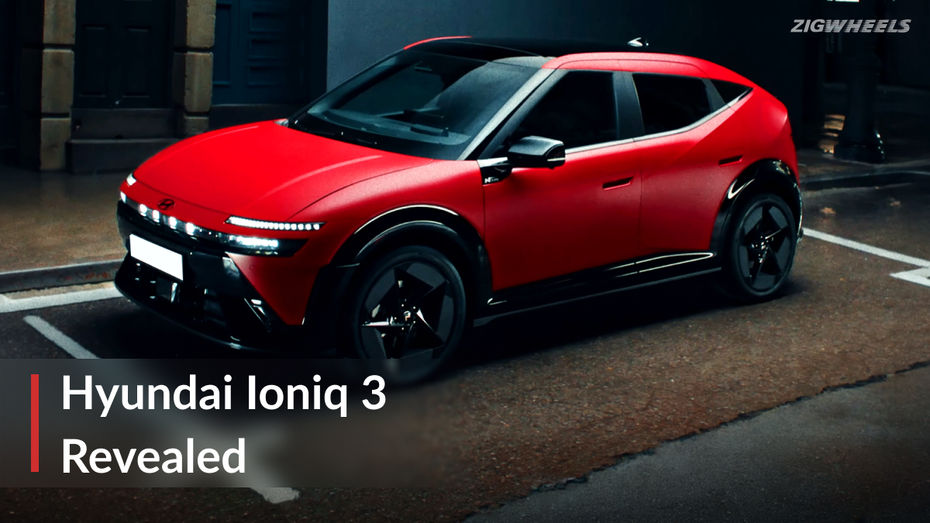
Hyundai has revealed its latest addition to the Ioniq lineup, which is a coupe-styled hatchback called the Ioniq 3. With a radical design, new age interior and a long range setup, it can be called as the production version of the Concept Three which was showcased at the IAA Mobility Expo 2025. Let’s take a look at the EV, and see if it is on its way to India:
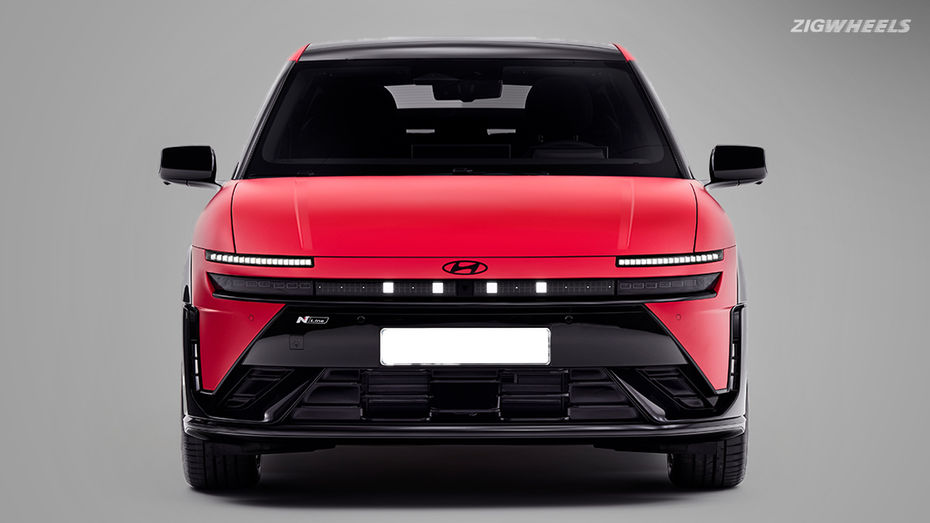
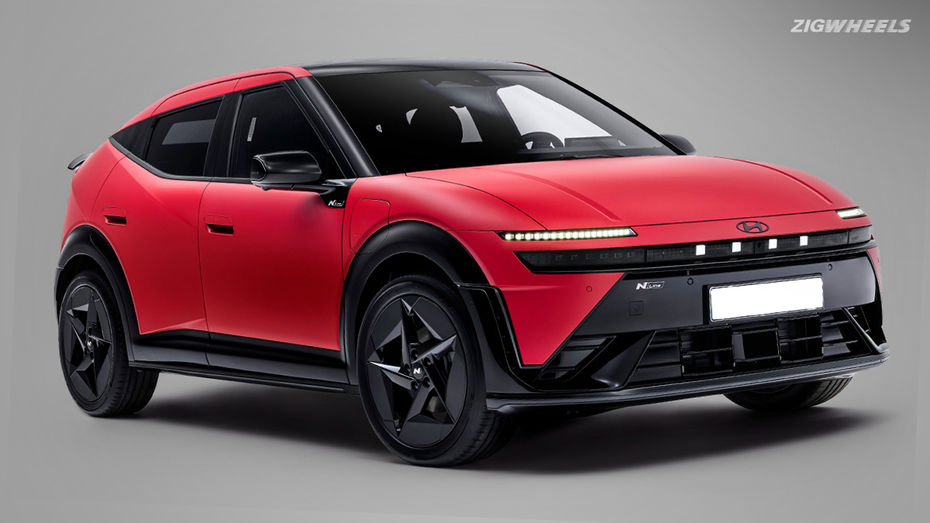
The Ioniq 3 wears a bold design, flaunting Hyundai’s latest Art of Steel design language, first displayed with the latest-gen Nexo FCEV. It has a mix of boxy yet curvy design language, with Hyundai’s pixel lighting signature. Upfront, it also gets Hyundai’s logo in Morse code (as LED DRLs in the grille)with the standard Hyundai logo above it.
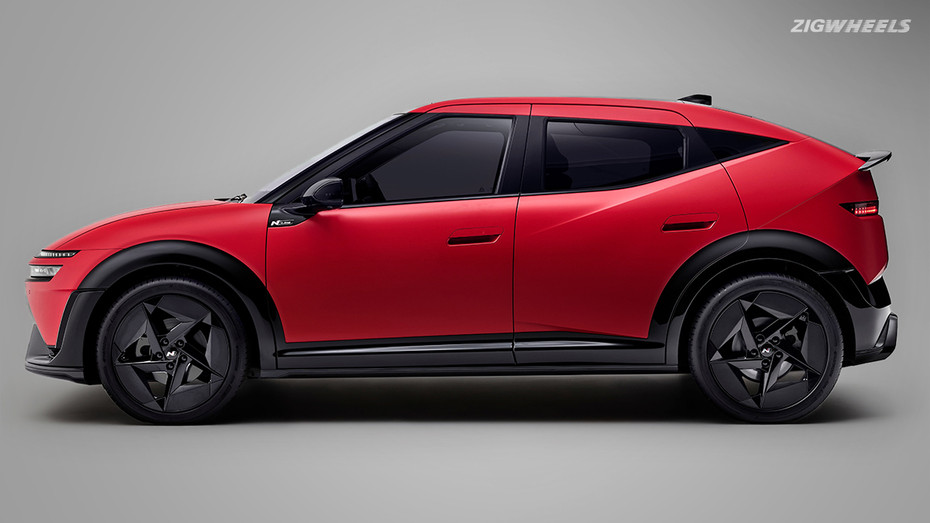
In profile, the windows of the Ioniq 3 taper towards the C-pillar, giving it a unique look that resembles its sibling, the Hyundai Veloster. Besides this it also gets flush door handles, 19-inch alloy wheels with black aero covers and chunky side cladding to make it look tough.
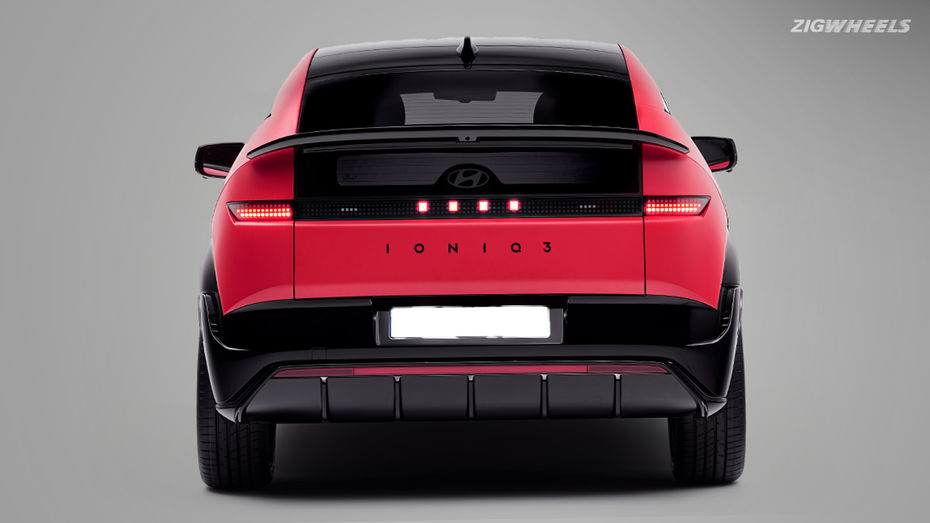
Being a coupe-styled hatchback, the rear looks distinct with its sharply raked roofline, a black applique on the tailgate and slim LED taillamps with pixelated detailing on either side. You also have the ‘morse-code’ LED lighting in the middle like the front and an aggressive looking diffuser below it with thick cladding all around.
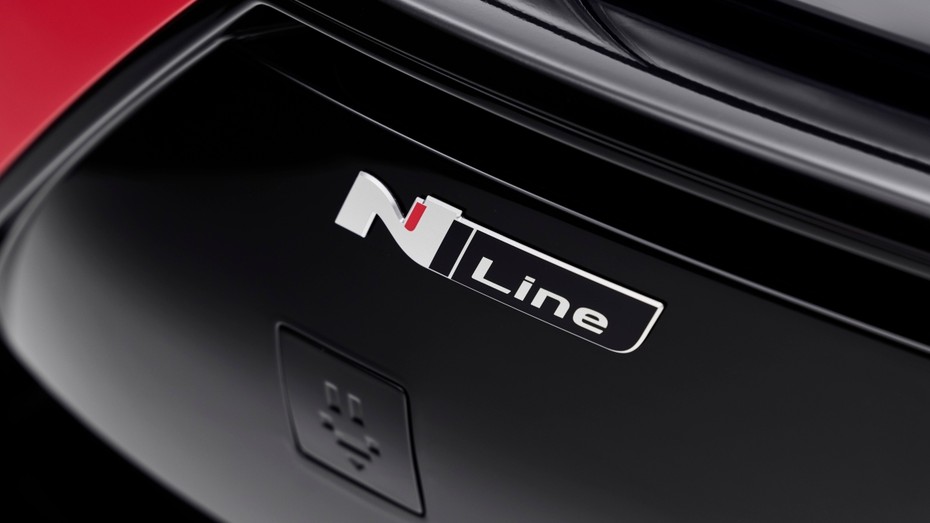
At launch, the Ioniq 3 comes in two versions – standard and N Line – and as the name suggests, the latter is the sportier-looking iteration. It is adorned with multiple N and N-Line looking badges all around, and also comes with N Line-specific 19-inch alloy wheels
Like the other Ioniq models, the Ioniq 3 also gets a minimalistic design for the cabin. Front and centre is a 14.6-inch infotainment touchscreen (12.9-inch on lower variants), which runs on Android Automotive Operating System (AAOS). The virtual cluster is a very small head-up display-like unit mounted on the dashboard that shows all the important drive-related information only.
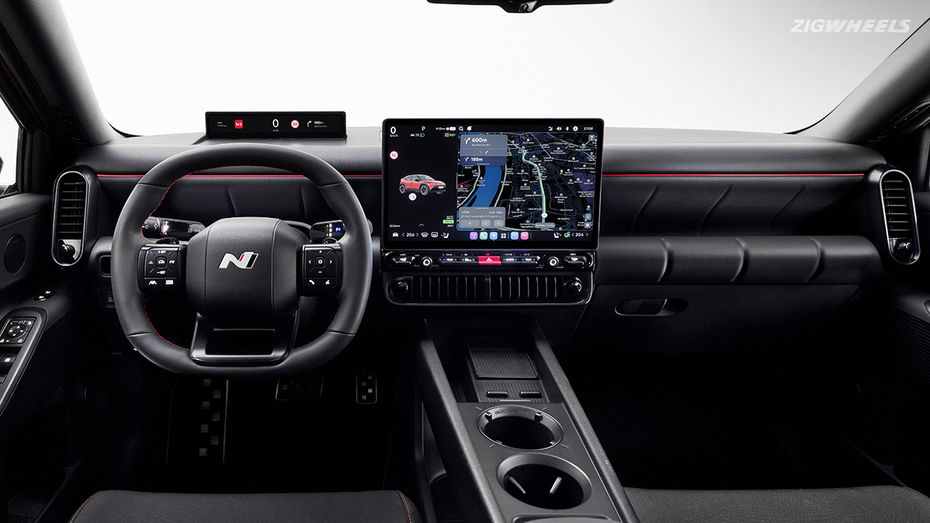
Other features on the Ioniq 3 include a digital key (configurable on a smartphone or smartwatch), an integrated EV route planner, heated and ventilated front seats, Vehicle-to-Load (V2L) functionality, dual-zone climate control, BOSE audio system and ambient lighting
Being a Hyundai, the Ioniq 3 is loaded with a lot of safety gizmos like seven airbags, a 360-degree camera, adaptive high beam assist and ADAS. The Level 2 ADAS suite comes with features like Highway Driving Assist 2 (HDA2), Remote Start Parking Assist, Memory Reverse Assist and more.
The Ioniq 3 comes with two battery packs which include a 42.2 kWh and 61 kWh options. The former gives it a WLTP-certified range of 344 km, while the latter gives it 496 km of range. Here are the Ioniq 3’s detailed specifications:
|
Battery Size |
42.2 kWh |
61 kWh |
|
Claimed Range (WLTP) |
344 km |
496 km |
|
Power (PS) |
147 PS |
135 PS |
|
Torque (Nm) |
250 Nm |
250 Nm |
|
Claimed Acceleration (0-100 kmph) |
9 seconds |
9.6 seconds |
|
Drivetrain |
Single-motor Front-wheel drive |
Single-motor Front-wheel drive |
Furthermore, Hyundai claims that the Ioniq 3’s 61kWh battery pack can be topped up from 10% to 80% in just 30 minutes via DC fast charging. It also gets 22kW AC fast charging capabilities.
Unfortunately, an India launch for the Ioniq 3 is not on cards for now, as it is has been developed keeping the European market in mind. In the global market, the Ioniq 3 competes with the likes of the Mini Aceman, Renault 4 E-Tech, and Ford Puma Gen E. If it comes to India, it will likely compete with EVs like the Volvo EX30 and the Mini Countryman Electric.
The Ioniq 3 is a good-looking and futuristic electric hatchback from South Korea. With it being designed in Europe and manufactured at Hyundai’s Turkey plant, it is quite obvious that Hyundai wants to focus majorly on the European market. However, we feel that the Ioniq 3 could be a good addition to the Ioniq lineup in India, strengthening the sub-brand and making it a more premium alternative to Hyundai’s mass-market EVs, especially given our dense urban confines and rising popularity of EVs among entry-level luxury segment buyers.
Would you like to see the Ioniq 3 being launched in India? Let us know in the comments below!


Hyundai Bayon Upcoming SUV Confirmed: To Rival Even Its Bigger...
Mahindra Thar Roxx vs Scorpio N: Why Character Still Wins
EXCLUSIVE: Tata Tigor To Be Replaced By Tata Aeris
Big, Boxy And A Plug-in Hybrid: Is This JSW Motor’s First SUV?...
2026 Tata Aeris Launched At Rs 5.29 Lakh: Fresh Looks, More Features...
Mahindra Scorpio Lifestyler Unveiled: Mahindra Returns to Lifestyle...
2026 Skoda Slavia Facelift Unveiled, Now Comes With Rear Massage...
2026 Mahindra Scorpio N Facelift Launched With Minor Styling Upgrades...
2026 Mahindra Thar OG Launched At Rs 10.32 Lakh: Here's...
2026 Maruti Suzuki Baleno Facelift Launched At Rs 6.1 Lakh Onwards
India's largest automotive community
Tata Aeris
₹ 5.29 Lakh
Mahindra Thar OG
₹ 10.32 Lakh
BMW i7
₹ 1.95 Crore
BMW 7 Series
₹ 1.95 Crore
BMW i5 LWB
₹ 79.60 Lakh
Mercedes-Benz Maybach S-Class Facelift
Rs. 3.00 Crore
Skoda Slavia Facelift
Rs. 11.99 Lakh
Honda Elevate Facelift
Rs. 11.91 Lakh
Volvo EX90
Rs. 1.20 Crore
Volvo ES90
Rs. 1.10 Crore
 Porsche’s Cayenne Electric Is Finally In India! Prices Start At Rs 1.77 Crore
 Renault Triber Turbo Launched In India, Prices Start From Rs 7.84 Lakh
 5 Things We Love About The Mahindra Thar OG
 2026 Mahindra Thar OG Short Review: What We Liked & What Needs To Improve
This Is Bentley’s First Electric SUV: New Torcal Gets 600 Km Range & 888 PS!
2026 Mahindra Thar OG Short Review: What We Liked & What Needs To Improve
This Is Bentley’s First Electric SUV: New Torcal Gets 600 Km Range & 888 PS!