Mahindra Thar Roxx vs Scorpio N: Why Character Still Wins
- Aug 10, 2026
- Views : 12087



 Follow us

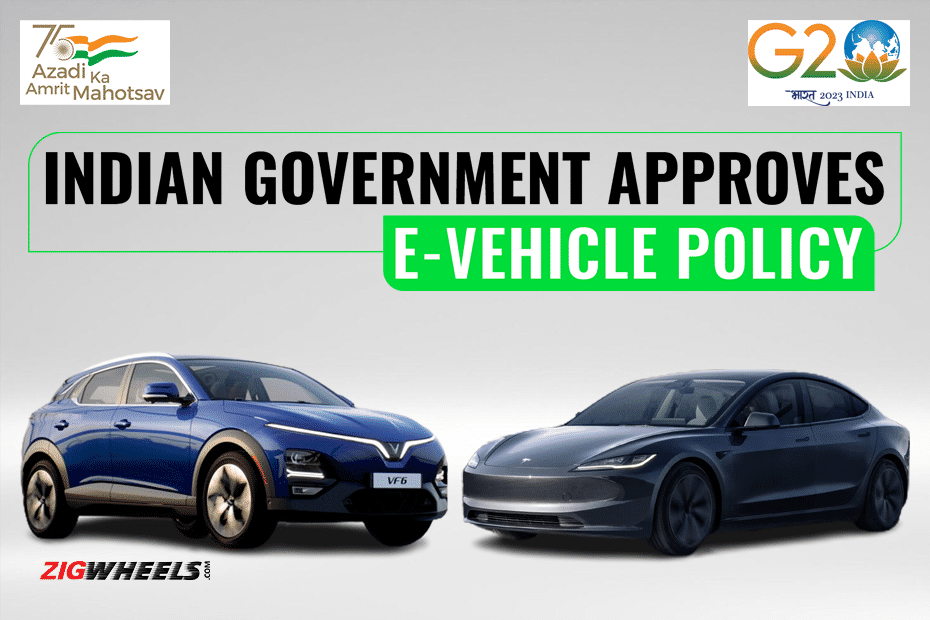
Government of India approves new electric vehicle policy to boost EV production in India.
New policy reduces import duty from 100 percent to 15 percent for global EV automakers under certain conditions.
Manufacturers need to make a minimum investment worth Rs 4150 crore in India for production.
New scheme also aims to provide Indian consumers with access to the latest technology.
The Indian government has given the green light to an electric vehicle manufacturing scheme, where taxes are reduced from 100 percent to 15 percent for the import of EVs, but with a specific catch. This policy also aims to attract investments from global EV manufacturers, with a focus on encouraging local manufacturing of global EVs in the country.
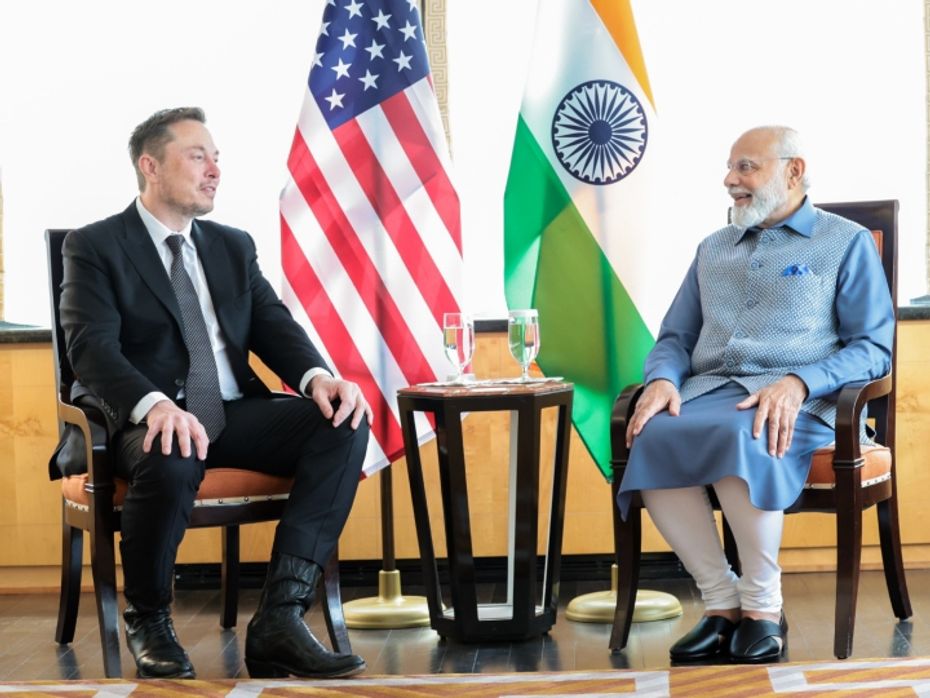
The star attraction of this policy is the reduction of import duty from 100 percent to 15 percent for the import of electric vehicles for a period of five years. But that comes with a couple of terms and conditions. Vehicles valued at USD 35,000 (around Rs 29 lakh) or more will be eligible for import, with a maximum import limit set at Rs 6484 crore.
For starters, manufacturers making use of this policy need to commit to a minimum investment of Rs 4150 crore (approximately USD 500 million) with no upper limit. They have to establish production facilities in India within three years and achieve a localization level of 25% by the 3rd year, increasing to 50% within five years.
However, the scheme imposes restrictions on import volumes, permitting no more than 8,000 EVs annually. Any unused import quotas can be carried over to subsequent years. Manufacturers must provide a bank guarantee equivalent to the customs duty foregone to ensure compliance with localization and investment criteria.
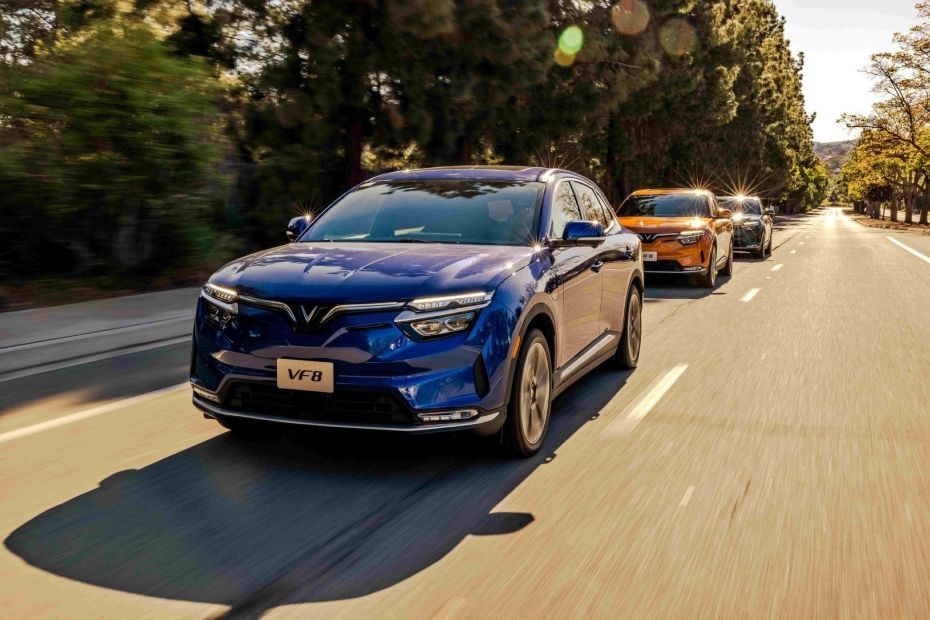
The scheme not only promises to provide Indian consumers with access to latest technology but also aligns with the Make in India initiative. By encouraging competition among EV players, the new policy anticipates a surge in production volumes and also to use India as an export hub for global EV manufacturers. Additionally, it is expected to curtail crude oil imports, lower the trade deficit, and combat air pollution, particularly in urban areas, thus positively impacting public health and the environment.
We think this policy marks a significant leap in making India a manufacturing hub for e-vehicles, with major impacts on both the car industry and the nation's economy. Share your thoughts in the comments on what you think of the proposal.


Mahindra Thar Roxx vs Scorpio N: Why Character Still Wins
2026 Maruti Brezza LAUNCHED! Updated SUV With Design Tweaks,...
EXCLUSIVE: Tata Tigor To Be Replaced By Tata Aeris
2026 Toyota Hilux LAUNCHED! The Next-Gen Iconic Pickup Truck Now In...
Maruti Brezza Prices Start At Just Rs 7.40 Lakh: Find Out Full...
Mahindra Scorpio Lifestyler Unveiled: Mahindra Returns to Lifestyle...
Check Out The 2026 Maruti Suzuki Brezza Facelift Explained In 17...
2026 Skoda Slavia Facelift Unveiled, Now Comes With Rear Massage...
2026 Mahindra Scorpio N Facelift Launched With Minor Styling Upgrades...
2026 Maruti Suzuki Baleno Facelift Launched At Rs 6.1 Lakh Onwards
India's largest automotive community
BMW i7
₹ 1.95 Crore
BMW 7 Series
₹ 1.95 Crore
BMW i5 LWB
₹ 79.60 Lakh
Maruti Suzuki Baleno
₹ 5.99 Lakh
Kia Sorento
₹ 27.99 Lakh
Mahindra Thar 3-door Facelift
Rs. 10.50 Lakh
Skoda Superb 2026
Rs. 50.00 Lakh
Skoda Slavia Facelift
Rs. 11.99 Lakh
Tata Aeris
Rs. 6.00 Lakh
Honda Elevate Facelift
Rs. 11.91 Lakh
 Tata Launches Legend Series And Dark Edition For Sierra: Gets More Luxury And Stealth!
 MG Hector Tomahawk EV Short Review: So Comfortable!
 5 Things We Love About The MG Hector Tomahawk EV
 Maruti Finally Launches AMT for Dzire, Baleno, Swift S-CNG! Now Worry Lesser In Traffic
Here Are Five Things We Loved About The BMW i5 LWB!
Maruti Finally Launches AMT for Dzire, Baleno, Swift S-CNG! Now Worry Lesser In Traffic
Here Are Five Things We Loved About The BMW i5 LWB!