Bajaj Pulsar NS160 vs Yamaha FZ Blue Flex
Last Updated: October 11, 2026
Bajaj Pulsar NS160 price starts at Rs. 1.26 Lakh, which is Rs. 28 cheaper than the base variant of Yamaha FZ Blue Flex, priced at Rs. 1.26 Lakh. On the performance front, the Pulsar NS160 uses a 160.3cc engine producing 17 PS @ 9000 rpm and the FZ Blue Flex a 149cc engine producing 11.7 PS @ 7250 rpm. If you're deciding between the Pulsar NS160 and FZ Blue Flex, the Pulsar NS160 is the better pick for affordability and performance, while the FZ Blue Flex stands out for a lighter kerb weight.
...Read More
Pulsar NS160 vs FZ Blue Flex Comparison Summary
| Specification | Bajaj Pulsar NS160 | Yamaha FZ Blue Flex |
|---|---|---|
| Ex-showroom price (base) | Rs. 1.26 Lakh | Rs. 1.26 Lakh |
| Mileage | 40.36 kmpl | Not Available |
| Engine | 160.3 cc | 149 cc |
| Max power | 17 PS @ 9000 rpm | 11.7 PS @ 7250 rpm |
| Kerb weight | 152 Kg | 139 Kg |
-
Bajaj Pulsar NS160
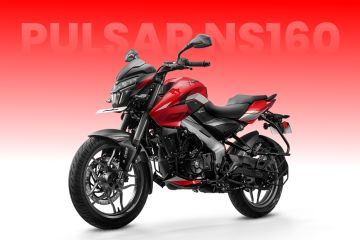 Rs. 1.26 Lakh EMI - Rs. 3,773 Get Navratri OffersYamaha FZ Blue Flex
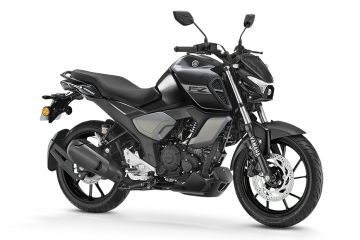 Rs. 1.26 Lakh EMI - Rs. 3,638 View October Offers
Pulsar NS160 vs FZ Blue Flex Key Highlights
| Basic Info | Bajaj Pulsar NS160 Single Channel | Yamaha FZ Blue Flex STD |
|---|---|---|
| Rating |
356 reviews
|
|
| Brand Name | Bajaj | Yamaha |
| Ex-Showroom Price | Rs. 1.26 Lakh Check On Road Price | Rs. 1.26 Lakh Check On Road Price |
| Engine Type | 4 Stroke, Single Cylinder | Air cooled, 4-stroke, SOHC, 2-Valve |
| Max Power | 17 PS @ 9000 rpm | 11.7 PS @ 7250 rpm |
| Fuel Type | Petrol | Petrol |
| Colors | ||
| Braking Type | Anti-lock Braking System | Anti-lock Braking System |
| Wheel Size | Front :-431.8 mm,Rear :-431.8 mm | Front :-17 Inch,Rear :-17 Inch |
| Wheels Type (Pressed Steel/ Alloy) | Alloy | Alloy |
| ABS | Single Channel | Single Channel |
| Starting | Kick and Self Start | Self Start Only |
| Speedometer | Digital | Digital |
| EMI |
Rs. 3,773
@
11.99% (36 months)
|
Rs. 3,638
@
9.45% (36 months)
|
| Insurance | Rs. 10,813 Pulsar NS160 Insurance | Rs. 6,950 FZ Blue Flex Insurance |
| Brochure |
Download
Brochure
|
Download
Brochure
|
Engine |
|
|||||||||||||||||||||||||||||||||||||||||||||||||||||||||||||||||||||||||||||||||||||||||||||||||||||||||||||||||||||||||||||||||||||||||||||||||||
|---|---|---|---|---|---|---|---|---|---|---|---|---|---|---|---|---|---|---|---|---|---|---|---|---|---|---|---|---|---|---|---|---|---|---|---|---|---|---|---|---|---|---|---|---|---|---|---|---|---|---|---|---|---|---|---|---|---|---|---|---|---|---|---|---|---|---|---|---|---|---|---|---|---|---|---|---|---|---|---|---|---|---|---|---|---|---|---|---|---|---|---|---|---|---|---|---|---|---|---|---|---|---|---|---|---|---|---|---|---|---|---|---|---|---|---|---|---|---|---|---|---|---|---|---|---|---|---|---|---|---|---|---|---|---|---|---|---|---|---|---|---|---|---|---|---|---|---|---|
Brakes |
|
|||||||||||||||||||||||||||||||||||||||||||||||||||||||||||||||||||||||||||||||||||||||||||||||||||||||||||||||||||||||||||||||||||||||||||||||||||
Performance |
|
|||||||||||||||||||||||||||||||||||||||||||||||||||||||||||||||||||||||||||||||||||||||||||||||||||||||||||||||||||||||||||||||||||||||||||||||||||
Suspension |
|
|||||||||||||||||||||||||||||||||||||||||||||||||||||||||||||||||||||||||||||||||||||||||||||||||||||||||||||||||||||||||||||||||||||||||||||||||||
Tyres |
|
|||||||||||||||||||||||||||||||||||||||||||||||||||||||||||||||||||||||||||||||||||||||||||||||||||||||||||||||||||||||||||||||||||||||||||||||||||
Dimensions |
|
|||||||||||||||||||||||||||||||||||||||||||||||||||||||||||||||||||||||||||||||||||||||||||||||||||||||||||||||||||||||||||||||||||||||||||||||||||
Electricals |
|
|||||||||||||||||||||||||||||||||||||||||||||||||||||||||||||||||||||||||||||||||||||||||||||||||||||||||||||||||||||||||||||||||||||||||||||||||||
Features |
|
|||||||||||||||||||||||||||||||||||||||||||||||||||||||||||||||||||||||||||||||||||||||||||||||||||||||||||||||||||||||||||||||||||||||||||||||||||
Service Cost |
|
|||||||||||||||||||||||||||||||||||||||||||||||||||||||||||||||||||||||||||||||||||||||||||||||||||||||||||||||||||||||||||||||||||||||||||||||||||
Warranty |
|
Pros and Cons
- Positives
- Negatives
Bajaj Pulsar NS160
- It packs a pretty powerful engine
- Shares the capable perimeter frame with larger Pulsars
- Stopping power is pretty good
Bajaj Pulsar NS160
- Engine refinement could have been better
- It isn’t feature-rich like its segment rivals
- It is the heaviest 160cc motorcycle

Do you own a Car or Bike?
- Interact with community
- Become a Top Contributor
Add Car
Add Bike
Videos of Bajaj Pulsar NS160 and Yamaha FZ Blue Flex
- 2023 Bajaj Pulsar NS200 And Pulsar NS160 First Ride Review - Road + Track | USD Fork Added 25 Mar, 2023 22586 views 5:06
- 160cc Sporty Commuters Compared On Acceleration, Fuel Efficiency, Price And Features | ZigWheels 30 May, 2023 12640 views 14:52
- 2023 Bajaj Pulsar NS160 & Pulsar NS200 Walkaround | Revised hardware, new features and…? | Zigwheels 14 Mar, 2023 10488 views 2:35
-
-
-

Bajaj Pulsar NS160 Comparison with Similar Bikes
-
 BajajPulsar NS160Rs. 1.26 LakhvsPulsar NS160 vs Hunter 350
 Royal EnfieldHunter 350Rs. 1.38 Lakh
 -
BajajPulsar NS160Rs. 1.26 LakhvsPulsar NS160 vs MT 15 Version 2.0
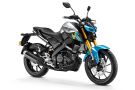 YamahaMT 15 Version 2.0Rs. 1.66 Lakh
 -
BajajPulsar NS160Rs. 1.26 LakhvsPulsar NS160 vs Apache RTR 160 4V
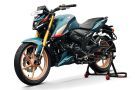 TVSApache RTR 160 4VRs. 1.20 Lakh
Latest News on Bajaj Pulsar NS160 and Yamaha FZ Blue Flex
-
 2025 Bajaj Pulsar NS160 Is Better, But It’s Still Playing Catch-up25 Mar, 2025 | By Team ZigWheels
 -
Bajaj Pulsar NS160 Flex Fuel Showcased At IBET (India Bio-Energy And Tech) Expo 20244 Sep, 2024 | By Team ZigWheels
-
Recently Asked User Questions
Q. Which bike is best Bajaj Pulsar NS 160 or Bajaj Pulsar NS 125?
- Bajaj Pulsar NS125 packs a peppy engine, is fun to ride, and could be the perfect beginner bike. The entry-level NS125 could be the perfect platform for those graduating from a scooter, and yearning to learn the ropes. The money you save could be a deposit for your next bike. On the other hand, Bajaj has done well to endow the NS160 with high-spec cycle parts and features while keeping the price in check. the Pulsar NS160 ticks all the right boxes when it comes to style, performance, ride and handling. Given Bajaj's extensive service network and low service costs, peace of mind is ensured. The new NS160 is a worthy contender and makes a strong case for itself in this highly competitive 160cc segment. Moreover, we would suggest you take a test ride before making the final decision. Follow the link and select your desired city for dealership details.
Q. Which is better between Yamaha FZ S version 3 (bs6) and Pulsar NS 160 (bs6). Kindly help me I considered many
in this 150/160 cc segment came to an conclusion between these two.
- Selecting the right bike would depend on several factors such as your budget preference on the segment, features required, engine options, brand preference, etc. Yamaha FZS-FI V3 offers a Big bike styling, with good features and a smooth engine. Yamaha FZS-FI V3 is powered by a 149 cc engine. This FZS-FI V3 engine generates a power of 12.4 PS @ 7250 rpm and a torque of 13.3 Nm @ 5500 rpm. On the other hand, the Bajaj Pulsar NS160 BS6 might not have many tangible features to justify the price hike due to BS6 norms, it more than makes up for it with raw performance. In fact, it is the most powerful motorcycle in its segment, making it ideal for enthusiasts who prioritize performance over anything else. Bajaj Pulsar NS160 is powered by 160.3 cc engine.This Pulsar NS160 engine generates a power of 17.2 PS @ 9000 rpm and a torque of 14.6 Nm @ 7250 rpm. Moreover, we would suggest you to take a test ride before making the final decision. Follow the link and select your desired city for dealership.
Q. I'm confused between bajaj NS 160 and TVS Apache 160 4V. Daily ride 60-80 km city and highway, which one is
better, please suggest.
- Selecting the right bike would depend on several factors such as your budget preference on the segment, features required, engine options, brand preference, etc. While the Bajaj Pulsar NS160 BS6 might not have many tangible features to justify the price hike due to BS6 norms, it more than makes up for it with raw performance. In fact, it is the most powerful motorcycle in its segment, making it ideal for enthusiasts who prioritize performance over anything else. Bajaj Pulsar NS160 is powered by 160.3 cc engine.This Pulsar NS160 engine generates a power of 17.2 PS @ 9000 rpm and a torque of 14.6 Nm @ 7250 rpm. On the other hand, The TVS Apache RTR 160 4V has been the benchmark when it comes to 160cc motorcycles. With the BS6-compliant iteration, TVS has made sure it is still as sprightly, with the '21 update making it the most powerful bike in the 160cc sporty commuter class. The overall package and reasonable pricing make it a true value for money motorcycle in its segment. TVS Apache RTR 160 4V is powered by a 159.7 cc engine. This Apache 160 4V engine generates a power of 17.63 PS @ 9250 rpm and a torque of 14.73 Nm @ 7250 rpm. Moreover, we would suggest you to take a test ride before making the final decision. Follow the link and select your desired city for dealership.
Bajaj Pulsar NS160 Vs Yamaha FZ Blue Flex FAQs
Which bike is cheaper Bajaj Pulsar NS160 vs Yamaha FZ Blue Flex?
The Bajaj Pulsar NS160 is cheaper than Yamaha FZ Blue Flex by ₹28.
Which bike offers better performance Bajaj Pulsar NS160 vs Yamaha FZ Blue Flex?
For the Single Channel version, 160.3 cc Petrol engine of Pulsar NS160 produces 17 PS @ 9000 rpm of power and 14.6 Nm @ 7250 rpm of torque. Whereas for the STD version, 149 cc Petrol engine of FZ Blue Flex produces 11.7 PS @ 7250 rpm of power and 12.8 Nm @ 6000 rpm of torque
Images of Bajaj Pulsar NS160 and Yamaha FZ Blue Flex
Which one do you like more?
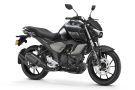
FZ Blue Flex
Pulsar NS160

- Home ›
- New Bikes ›
- Compare Bikes ›
- Bajaj Pulsar NS160 vs Yamaha FZ Blue Flex
×