Bajaj Pulsar NS160 vs TVS Apache RTR 200 4V
Last Updated: August 27, 2026
Bajaj Pulsar NS160 price starts at Rs. 1.26 Lakh, which is Rs. 15,689 cheaper than the base variant of TVS Apache RTR 200 4V, priced at Rs. 1.42 Lakh. In terms of mileage, the Pulsar NS160 offers a claimed 40.36 kmpl, while the Apache RTR 200 4V delivers 37 kmpl. On the performance front, the Pulsar NS160 uses a 160.3cc engine producing 17 PS @ 9000 rpm and the Apache RTR 200 4V a 197.75cc engine producing 20.82 PS @ 9000 rpm. If you're deciding between the Pulsar NS160 and Apache RTR 200 4V, the Pulsar NS160 is the better pick for affordability and mileage, while the Apache RTR 200 4V stands out for performance and a lighter kerb weight.
...Read More
Pulsar NS160 vs Apache RTR 200 4V Comparison Summary
| Specification | Bajaj Pulsar NS160 | TVS Apache RTR 200 4V |
|---|---|---|
| Ex-showroom price (base) | Rs. 1.26 Lakh | Rs. 1.42 Lakh |
| Mileage | 40.36 kmpl | 37 kmpl |
| Engine | 160.3 cc | 197.75 cc |
| Max power | 17 PS @ 9000 rpm | 20.82 PS @ 9000 rpm |
| Kerb weight | 152 Kg | 151 Kg |
-
Bajaj Pulsar NS160
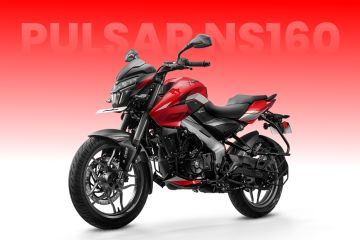 Rs. 1.26 Lakh EMI - Rs. 3,775 View August OffersTVS Apache RTR 200 4V
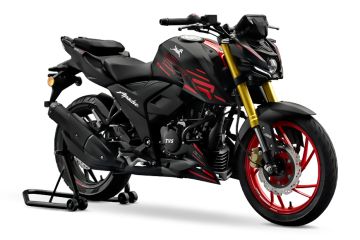 Rs. 1.42 Lakh EMI - Rs. 4,091 View August Offers
Pulsar NS160 vs Apache RTR 200 4V Key Highlights
| Basic Info | Bajaj Pulsar NS160 Single Channel | TVS Apache RTR 200 4V USD |
|---|---|---|
| Rating |
352 reviews
|
9 reviews
|
| Brand Name | Bajaj | TVS |
| Ex-Showroom Price | Rs. 1.26 Lakh Check On Road Price | Rs. 1.42 Lakh Check On Road Price |
| Engine Type | 4 Stroke, Single Cylinder | SI, 4 stroke, Oil cooled, SOHC, Fuel Injection |
| Max Power | 17 PS @ 9000 rpm | 20.82 PS @ 9000 rpm |
| Fuel Type | Petrol | Petrol |
| Colors | ||
| Braking Type | Anti-lock Braking System | Anti-lock Braking System |
| Wheel Size | Front :-431.8 mm,Rear :-431.8 mm | Front :-431.8 mm,Rear :-431.8 mm |
| Wheels Type (Pressed Steel/ Alloy) | Alloy | Alloy |
| ABS | Single Channel | Dual Channel |
| Starting | Kick and Self Start | Self Start Only |
| Speedometer | Digital | Digital |
| EMI |
Rs. 3,775
@
11.99% (36 months)
|
Rs. 4,091
@
9.45% (36 months)
|
| Insurance | Rs. 10,814 Pulsar NS160 Insurance | Rs. 12,076 Apache RTR 200 4V Insurance |
| Brochure |
Download
Brochure
|
Download
Brochure
|
Engine |
|
|||||||||||||||||||||||||||||||||||||||||||||||||||||||||||||||||||||||||||||||||||||||||||||||||||||||||||||||||||||||||||||||||||||||||||||||||||||||||||||||||||||||||||
|---|---|---|---|---|---|---|---|---|---|---|---|---|---|---|---|---|---|---|---|---|---|---|---|---|---|---|---|---|---|---|---|---|---|---|---|---|---|---|---|---|---|---|---|---|---|---|---|---|---|---|---|---|---|---|---|---|---|---|---|---|---|---|---|---|---|---|---|---|---|---|---|---|---|---|---|---|---|---|---|---|---|---|---|---|---|---|---|---|---|---|---|---|---|---|---|---|---|---|---|---|---|---|---|---|---|---|---|---|---|---|---|---|---|---|---|---|---|---|---|---|---|---|---|---|---|---|---|---|---|---|---|---|---|---|---|---|---|---|---|---|---|---|---|---|---|---|---|---|---|---|---|---|---|---|---|---|---|---|---|---|---|---|---|---|---|---|---|---|---|---|---|---|
Brakes |
|
|||||||||||||||||||||||||||||||||||||||||||||||||||||||||||||||||||||||||||||||||||||||||||||||||||||||||||||||||||||||||||||||||||||||||||||||||||||||||||||||||||||||||||
Performance |
|
|||||||||||||||||||||||||||||||||||||||||||||||||||||||||||||||||||||||||||||||||||||||||||||||||||||||||||||||||||||||||||||||||||||||||||||||||||||||||||||||||||||||||||
Suspension |
|
|||||||||||||||||||||||||||||||||||||||||||||||||||||||||||||||||||||||||||||||||||||||||||||||||||||||||||||||||||||||||||||||||||||||||||||||||||||||||||||||||||||||||||
Tyres |
|
|||||||||||||||||||||||||||||||||||||||||||||||||||||||||||||||||||||||||||||||||||||||||||||||||||||||||||||||||||||||||||||||||||||||||||||||||||||||||||||||||||||||||||
Dimensions |
|
|||||||||||||||||||||||||||||||||||||||||||||||||||||||||||||||||||||||||||||||||||||||||||||||||||||||||||||||||||||||||||||||||||||||||||||||||||||||||||||||||||||||||||
Electricals |
|
|||||||||||||||||||||||||||||||||||||||||||||||||||||||||||||||||||||||||||||||||||||||||||||||||||||||||||||||||||||||||||||||||||||||||||||||||||||||||||||||||||||||||||
Features |
|
|||||||||||||||||||||||||||||||||||||||||||||||||||||||||||||||||||||||||||||||||||||||||||||||||||||||||||||||||||||||||||||||||||||||||||||||||||||||||||||||||||||||||||
Service Cost |
|
|||||||||||||||||||||||||||||||||||||||||||||||||||||||||||||||||||||||||||||||||||||||||||||||||||||||||||||||||||||||||||||||||||||||||||||||||||||||||||||||||||||||||||
Warranty |
|
Pros and Cons
- Positives
- Negatives
- It packs a pretty powerful engine
- Shares the capable perimeter frame with larger Pulsars
- Stopping power is pretty good
- The 200cc motor offers good low and midrange grunt along with a fun to ride nature
- It gets 37mm golden coloured USD fork
- It gets dual-channel ABS along with 3 ride modes: Sport, Urban and Rain, which change the power output
- Engine refinement could have been better
- It isn’t feature-rich like its segment rivals
- It is the heaviest 160cc motorcycle
- Misses out on a 6-speed gearbox
- 200cc motor makes less power when compared to other motorcycles in the segment
- Does not get adjustable fork which the previous version used to have
Is Bajaj Pulsar NS160 Better Than TVS Apache RTR 200 4V?
67% users have chosen Bajaj Pulsar NS160 over TVS Apache RTR 200 4V in a survey being conducted on zigwheels.com.
Apart from this survey a total of 1442 users have also rated Bajaj Pulsar NS160 and TVS Apache RTR 200 4V on some really important factors like Mileage , performance, comfort, safety etc. and have given their personal opinions about these bikes.
As per the users experiences Bajaj Pulsar NS160 is a winner for you if you are seriously looking for features in your bike. But TVS Apache RTR 200 4V is better on the grounds of mileage, performance, comfort and maintenance.
Before making your decision you should also consider the unbiased and thorough analysis of these bikes on every aspect by our auto experts who have summarised the analysis in pros, cons and final conclusion..
| Ratings Factor | Apache RTR 200 4V | Pulsar NS160 |
|---|---|---|
| Mileage | 3.8 | 4.8 |
| Performance | 4.4 | 5.0 |
| Comfort | 4.2 | 4.6 |
| Maintenance | 3.9 | 4.6 |
| Features | 4.4 | 1.6 |

- Interact with community
- Become a Top Contributor
Videos of Bajaj Pulsar NS160 and TVS Apache RTR 200 4V
- 2023 Bajaj Pulsar NS200 And Pulsar NS160 First Ride Review - Road + Track | USD Fork Added 25 Mar, 2023 22147 views 5:06
- 160cc Sporty Commuters Compared On Acceleration, Fuel Efficiency, Price And Features | ZigWheels 30 May, 2023 12420 views 14:52
- 2023 Bajaj Pulsar NS160 & Pulsar NS200 Walkaround | Revised hardware, new features and…? | Zigwheels 14 Mar, 2023 10221 views 2:35
-
-
-

Bajaj Pulsar NS160 Comparison with Similar Bikes
-
 BajajPulsar NS160Rs. 1.26 LakhvsPulsar NS160 vs MT 15 Version 2.0
 YamahaMT 15 Version 2.0Rs. 1.66 Lakh
Latest News on Bajaj Pulsar NS160 and TVS Apache RTR 200 4V
-
 2025 Bajaj Pulsar NS160 Is Better, But It’s Still Playing Catch-up25 Mar, 2025 | By Team ZigWheels
 -
2025 TVS YMRP Round 3: Progress Without The Podiums18 Jan, 2026 | By Team ZigWheels
-
Bajaj Pulsar NS160 Flex Fuel Showcased At IBET (India Bio-Energy And Tech) Expo 20244 Sep, 2024 | By Team ZigWheels
-
-
2024 Bajaj Pulsar NS160 And Pulsar NS200 Launched27 Feb, 2024 | By Team ZigWheels
-
2024 Bajaj Pulsar NS200 And Bajaj Pulsar NS160 Unveiled Ahead Of Launch: Now More Feature-packed19 Feb, 2024 | By Team ZigWheels
Recently Asked User Questions
- Bajaj Pulsar NS125 packs a peppy engine, is fun to ride, and could be the perfect beginner bike. The entry-level NS125 could be the perfect platform for those graduating from a scooter, and yearning to learn the ropes. The money you save could be a deposit for your next bike. On the other hand, Bajaj has done well to endow the NS160 with high-spec cycle parts and features while keeping the price in check. the Pulsar NS160 ticks all the right boxes when it comes to style, performance, ride and handling. Given Bajaj's extensive service network and low service costs, peace of mind is ensured. The new NS160 is a worthy contender and makes a strong case for itself in this highly competitive 160cc segment. Moreover, we would suggest you take a test ride before making the final decision. Follow the link and select your desired city for dealership details.
- Selecting the right bike would depend on several factors such as your budget preference on the segment, features required, engine options, brand preference, etc. Yamaha FZS-FI V3 offers a Big bike styling, with good features and a smooth engine. Yamaha FZS-FI V3 is powered by a 149 cc engine. This FZS-FI V3 engine generates a power of 12.4 PS @ 7250 rpm and a torque of 13.3 Nm @ 5500 rpm. On the other hand, the Bajaj Pulsar NS160 BS6 might not have many tangible features to justify the price hike due to BS6 norms, it more than makes up for it with raw performance. In fact, it is the most powerful motorcycle in its segment, making it ideal for enthusiasts who prioritize performance over anything else. Bajaj Pulsar NS160 is powered by 160.3 cc engine.This Pulsar NS160 engine generates a power of 17.2 PS @ 9000 rpm and a torque of 14.6 Nm @ 7250 rpm. Moreover, we would suggest you to take a test ride before making the final decision. Follow the link and select your desired city for dealership.
- Selecting the right bike would depend on several factors such as your budget preference on the segment, features required, engine options, brand preference, etc. While the Bajaj Pulsar NS160 BS6 might not have many tangible features to justify the price hike due to BS6 norms, it more than makes up for it with raw performance. In fact, it is the most powerful motorcycle in its segment, making it ideal for enthusiasts who prioritize performance over anything else. Bajaj Pulsar NS160 is powered by 160.3 cc engine.This Pulsar NS160 engine generates a power of 17.2 PS @ 9000 rpm and a torque of 14.6 Nm @ 7250 rpm. On the other hand, The TVS Apache RTR 160 4V has been the benchmark when it comes to 160cc motorcycles. With the BS6-compliant iteration, TVS has made sure it is still as sprightly, with the '21 update making it the most powerful bike in the 160cc sporty commuter class. The overall package and reasonable pricing make it a true value for money motorcycle in its segment. TVS Apache RTR 160 4V is powered by a 159.7 cc engine. This Apache 160 4V engine generates a power of 17.63 PS @ 9250 rpm and a torque of 14.73 Nm @ 7250 rpm. Moreover, we would suggest you to take a test ride before making the final decision. Follow the link and select your desired city for dealership.
Bajaj Pulsar NS160 Vs TVS Apache RTR 200 4V FAQs
Images of Bajaj Pulsar NS160 and TVS Apache RTR 200 4V

- Home ›
- New Bikes ›
- Compare Bikes ›
- Bajaj Pulsar NS160 vs TVS Apache RTR 200 4V