Bajaj Pulsar 150 (2018-2026) vs Bajaj Pulsar NS160
Last Updated: October 9, 2026
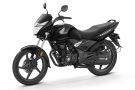
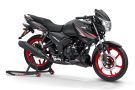
Bajaj Pulsar 150 (2018-2026) price starts at Rs. 1.18 Lakh, which is Rs. 9,488 cheaper than the base variant of Bajaj Pulsar NS160, priced at Rs. 1.27 Lakh. In terms of mileage, the Pulsar 150 (2018-2026) offers a claimed 47.5 kmpl, while the Pulsar NS160 delivers 40.36 kmpl. On the performance front, the Pulsar 150 (2018-2026) uses a 149.5cc engine producing 14 PS @ 8500 rpm and the Pulsar NS160 a 160.3cc engine producing 17 PS @ 9000 rpm. If you're deciding between the Pulsar 150 (2018-2026) and Pulsar NS160, the Pulsar 150 (2018-2026) is the better pick for affordability and mileage, while the Pulsar NS160 stands out for performance.
...Read More
Pulsar 150 (2018-2026) vs Pulsar NS160 Comparison Summary
| Specification | Bajaj Pulsar 150 (2018-2026) | Bajaj Pulsar NS160 |
|---|---|---|
| Ex-showroom price (base) | Rs. 1.18 Lakh | Rs. 1.27 Lakh |
| Mileage | 47.5 kmpl | 40.36 kmpl |
| Engine | 149.5 cc | 160.3 cc |
| Max power | 14 PS @ 8500 rpm | 17 PS @ 9000 rpm |
| Kerb weight | 150 Kg | 152 Kg |
-
Bajaj Pulsar 150 (2018-2026) DISCONTINUED
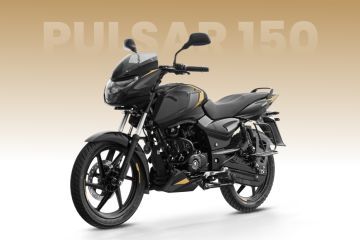 Rs. 1.18 LakhBajaj Pulsar NS160
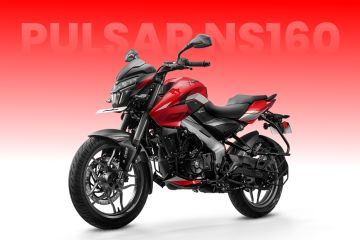 Rs. 1.27 Lakh EMI - Rs. 3,799 Get Navratri Offers
Pulsar 150 (2018-2026) vs Pulsar NS160 Key Highlights
| Basic Info | Bajaj Pulsar 150 (2018-2026) Twin Disc UG | Bajaj Pulsar NS160 Single Channel |
|---|---|---|
| Rating |
2102 reviews
|
355 reviews
|
| Brand Name | Bajaj | Bajaj |
| Ex-Showroom Price | Rs. 1.18 Lakh | Rs. 1.27 Lakh Check On Road Price |
| Engine Type | 4-Stroke, 2-Valve, Twin Spark BSVI Compliant DTS-i FI Engine | 4 Stroke, Single Cylinder |
| Max Power | 14 PS @ 8500 rpm | 17 PS @ 9000 rpm |
| Fuel Type | Petrol | Petrol |
| Colors | ||
| Braking Type | Not Available | Anti-lock Braking System |
| Wheel Size | Front :-431.8 mm, Rear :-431.8 mm | Front :-431.8 mm,Rear :-431.8 mm |
| Wheels Type (Pressed Steel/ Alloy) | Alloy | Alloy |
| ABS | Single Channel | Single Channel |
| Starting | Kick and Self Start | Kick and Self Start |
| Speedometer | Digital | Digital |
| EMI | Not Available |
Rs. 3,799
@
11.99% (36 months)
|
| Insurance | Not Available | Rs. 10,828 Pulsar NS160 Insurance |
| Brochure | N/A |
Download
Brochure
|
Engine |
|
|||||||||||||||||||||||||||||||||||||||||||||||||||||||||||||||||||||||||||||||||||||||||||||||||||||||||||||||||||||||||||||||||||||||||||||||||||||||||
|---|---|---|---|---|---|---|---|---|---|---|---|---|---|---|---|---|---|---|---|---|---|---|---|---|---|---|---|---|---|---|---|---|---|---|---|---|---|---|---|---|---|---|---|---|---|---|---|---|---|---|---|---|---|---|---|---|---|---|---|---|---|---|---|---|---|---|---|---|---|---|---|---|---|---|---|---|---|---|---|---|---|---|---|---|---|---|---|---|---|---|---|---|---|---|---|---|---|---|---|---|---|---|---|---|---|---|---|---|---|---|---|---|---|---|---|---|---|---|---|---|---|---|---|---|---|---|---|---|---|---|---|---|---|---|---|---|---|---|---|---|---|---|---|---|---|---|---|---|---|---|---|---|---|---|
Brakes |
|
|||||||||||||||||||||||||||||||||||||||||||||||||||||||||||||||||||||||||||||||||||||||||||||||||||||||||||||||||||||||||||||||||||||||||||||||||||||||||
Performance |
|
|||||||||||||||||||||||||||||||||||||||||||||||||||||||||||||||||||||||||||||||||||||||||||||||||||||||||||||||||||||||||||||||||||||||||||||||||||||||||
Suspension |
|
|||||||||||||||||||||||||||||||||||||||||||||||||||||||||||||||||||||||||||||||||||||||||||||||||||||||||||||||||||||||||||||||||||||||||||||||||||||||||
Tyres |
|
|||||||||||||||||||||||||||||||||||||||||||||||||||||||||||||||||||||||||||||||||||||||||||||||||||||||||||||||||||||||||||||||||||||||||||||||||||||||||
Dimensions |
|
|||||||||||||||||||||||||||||||||||||||||||||||||||||||||||||||||||||||||||||||||||||||||||||||||||||||||||||||||||||||||||||||||||||||||||||||||||||||||
Electricals |
|
|||||||||||||||||||||||||||||||||||||||||||||||||||||||||||||||||||||||||||||||||||||||||||||||||||||||||||||||||||||||||||||||||||||||||||||||||||||||||
Features |
|
|||||||||||||||||||||||||||||||||||||||||||||||||||||||||||||||||||||||||||||||||||||||||||||||||||||||||||||||||||||||||||||||||||||||||||||||||||||||||
Service Cost |
|
|||||||||||||||||||||||||||||||||||||||||||||||||||||||||||||||||||||||||||||||||||||||||||||||||||||||||||||||||||||||||||||||||||||||||||||||||||||||||
Warranty |
|
Pros and Cons
- Positives
- Negatives
Bajaj Pulsar 150 (2018-2026)
- The fans still like the iconic design
- Slightly sporty yet comfy riding posture
Bajaj Pulsar NS160
- It packs a pretty powerful engine
- Shares the capable perimeter frame with larger Pulsars
- Stopping power is pretty good
Bajaj Pulsar 150 (2018-2026)
- Has become pretty pricey today
- Not everyone will dig the dated looks
Bajaj Pulsar NS160
- Engine refinement could have been better
- It isn’t feature-rich like its segment rivals
- It is the heaviest 160cc motorcycle

Do you own a Car or Bike?
- Interact with community
- Become a Top Contributor
Add Car
Add Bike
Videos of Bajaj Pulsar 150 (2018-2026) and Bajaj Pulsar NS160
- 5 Bike Launches In June 2022: Bajaj Pulsar N160, Royal Enfield Hunter 350, TVS Zeppelin, And More 1 Jun, 2022 10482 views 6:08
- 2023 Bajaj Pulsar NS200 And Pulsar NS160 First Ride Review - Road + Track | USD Fork Added 25 Mar, 2023 22570 views 5:06
- 160cc Sporty Commuters Compared On Acceleration, Fuel Efficiency, Price And Features | ZigWheels 30 May, 2023 12631 views 14:52
- Bajaj Pulsar 125 Neon Road Test,| Price, Mileage, Performance, Features 6 Sep, 2019 47884 views 6:02
-
- 2023 Bajaj Pulsar NS160 & Pulsar NS200 Walkaround | Revised hardware, new features and…? | Zigwheels 14 Mar, 2023 10477 views 2:35
-
-
-

Bajaj Pulsar NS160 Comparison with Similar Bikes
-
 BajajPulsar NS160Rs. 1.26 LakhvsPulsar NS160 vs Hunter 350
 Royal EnfieldHunter 350Rs. 1.38 Lakh
 -
BajajPulsar NS160Rs. 1.26 LakhvsPulsar NS160 vs MT 15 Version 2.0
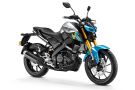 YamahaMT 15 Version 2.0Rs. 1.66 Lakh
 -
BajajPulsar NS160Rs. 1.26 LakhvsPulsar NS160 vs Apache RTR 160 4V
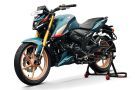 TVSApache RTR 160 4VRs. 1.20 Lakh
Latest News on Bajaj Pulsar 150 (2018-2026) and Bajaj Pulsar NS160
-
 BREAKING: Bajaj Pulsar 150 To Get A TFT Console & More: OG Pulsar Celebrates Its 25th Anniversary This Year12 Aug, 2026 | By Team ZigWheels
 -
2025 Bajaj Pulsar NS160 Is Better, But It’s Still Playing Catch-up25 Mar, 2025 | By Team ZigWheels
-
Updated Bajaj Pulsar 150 To Launch In A Few Days: Bike Reaches Dealerships7 Aug, 2026 | By Team ZigWheels
-
Bajaj Pulsar NS160 Flex Fuel Showcased At IBET (India Bio-Energy And Tech) Expo 20244 Sep, 2024 | By Team ZigWheels
-
KTM’s Future Goes Desi: Bajaj To Take Full Control Of The Orange Brand27 Oct, 2025 | By Team ZigWheels
-
-
Bajaj Sales Report: November 20245 Dec, 2024 | By Team ZigWheels
-
2024 Bajaj Pulsar NS160 And Pulsar NS200 Launched27 Feb, 2024 | By Team ZigWheels
-
Bajaj Pulsar Lineup Festive Offers Announced1 Oct, 2024 | By Team ZigWheels
-
2024 Bajaj Pulsar NS200 And Bajaj Pulsar NS160 Unveiled Ahead Of Launch: Now More Feature-packed19 Feb, 2024 | By Team ZigWheels
Recently Asked User Questions
Q. Which bike has best results NS160 or Pulsar 150?
- NS 160 is pure sport bike you can go for it and pulsar 150 a classic ,sports and a decent commuter too . Both r quite impressive
- No
- Both are good but in case of mileage 150 is best
Q. I'm 6 feet tall, which vehicle can I go for, Bajaj Pulsar 150 Neon or Bajaj Pulsar NS160 Twin dis?
- Ns 160
- Go for Pulsar ns160 as it is well suited for taller riders. Also suspension is also good
Q. Which one is better ,Ns 160 or pulsor 150 twin disc?
- Design and hardware wise pulsar ne 160 is new and great than pulsar twin disc. Also ne comes with twin disc and abs
- Pulsar 150 twin disc
- Pulser 150 twin disc
Bajaj Pulsar 150 (2018-2026) Vs Bajaj Pulsar NS160 FAQs
Which bike is best between Bajaj Pulsar 150 (2018-2026) vs Bajaj Pulsar NS160?
As per the users experiences Bajaj Pulsar 150 (2018-2026) is a winner for you if you are seriously looking for mileage in your bike. But Bajaj Pulsar NS160 is better on the grounds of performance, comfort, maintenance and features.
Which bike is cheaper Bajaj Pulsar 150 (2018-2026) vs Bajaj Pulsar NS160?
The Bajaj Pulsar 150 (2018-2026) is cheaper than Bajaj Pulsar NS160 by ₹9,488.
Which bike offers better performance Bajaj Pulsar 150 (2018-2026) vs Bajaj Pulsar NS160?
For the Twin Disc UG version, 149.5 cc Petrol engine of Pulsar 150 (2018-2026) produces 14 PS @ 8500 rpm of power and 13.4 Nm @ 6500 rpm of torque. Whereas for the Single Channel version, 160.3 cc Petrol engine of Pulsar NS160 produces 17 PS @ 9000 rpm of power and 14.6 Nm @ 7250 rpm of torqueAs per the users experiences the Bajaj Pulsar 150 (2018-2026) has better performance.
Images of Bajaj Pulsar NS160 and Bajaj Pulsar 150 (2018-2026)
- Home ›
- New Bikes ›
- Compare Bikes ›
- Bajaj Pulsar 150 (2018-2026) vs Bajaj Pulsar NS160
×