EXCLUSIVE: Tata Tigor To Be Replaced By Tata Aeris
- Sep 19, 2026
- Views : 10133



 Follow us

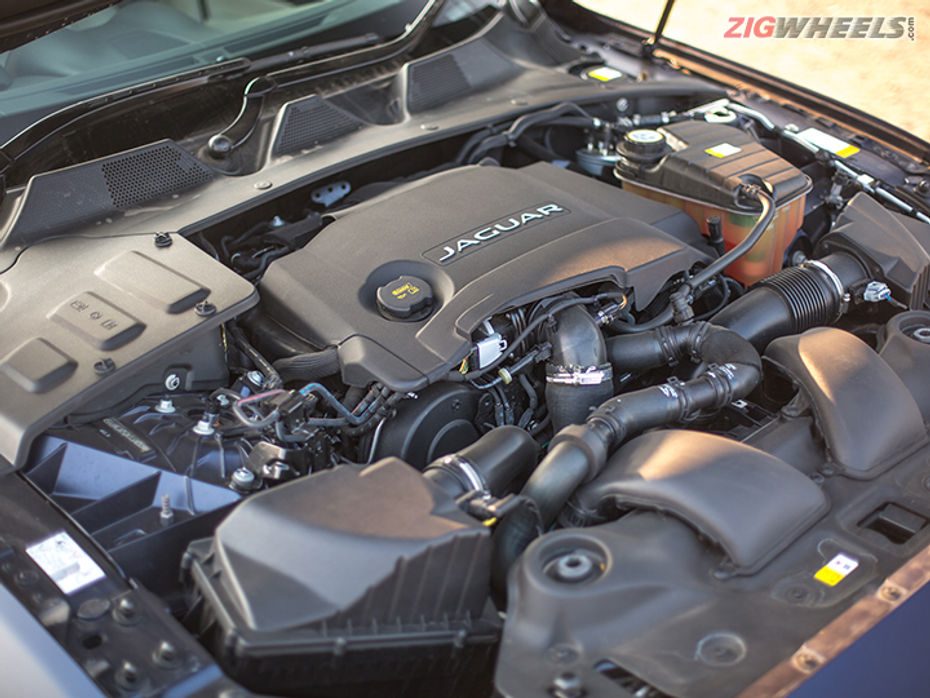
Earlier this month, while the country was under lockdown, India transitioned to a greener future with Bharat Stage 6 emission norms. Every car sold in the country will be measured by a new yardstick of carbon dioxide, nitrous oxide, and particulate emissions. We’ve witnessed car companies scamper to this end all through last year. But how do carmakers get cleaner exhaust fumes without changing the chemistry of the fuel -- petrol or diesel?
Getting more air into the combustion chamber:
An internal combustion engine is, in essence, an air pump. The energy released by burning a few droplets of fuel pushes a cylinder down, rotates a shaft, and moves the wheels. Carmakers strive to pump more air by using less fuel. You can force more air into the system with a turbocharger or a supercharger. But these systems and their hardware add to research, development, and production costs. That’s why diesel cars are invariably more expensive than their petrol versions.
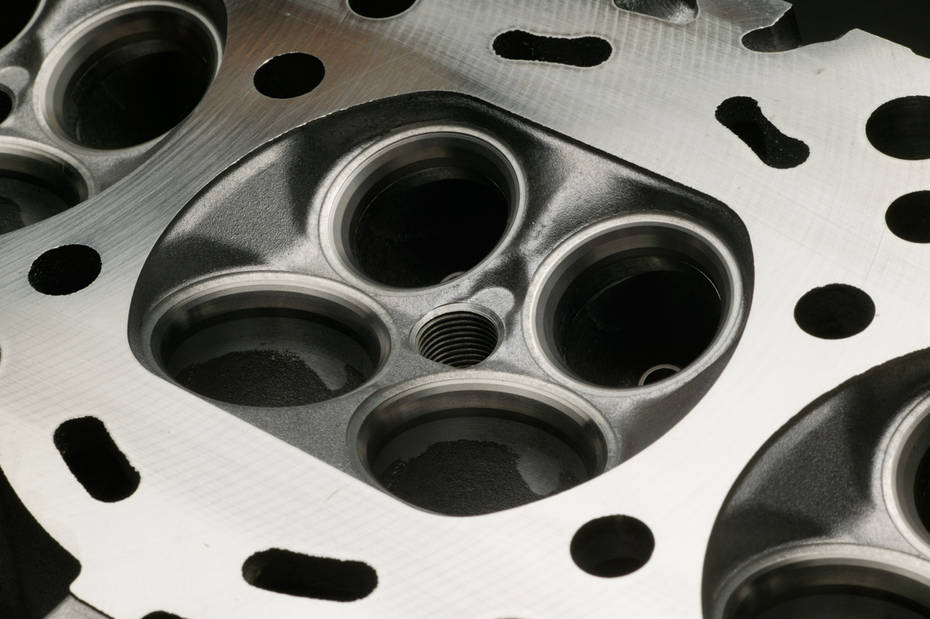
Carmakers optimise the cylinder head design for this. Earlier engines had one port for intake and another for exhaust. Now, four-port designs utilise every millimetre of the cylinder head to either pull air in or push it out.
Pumping more air without pre-ignition:
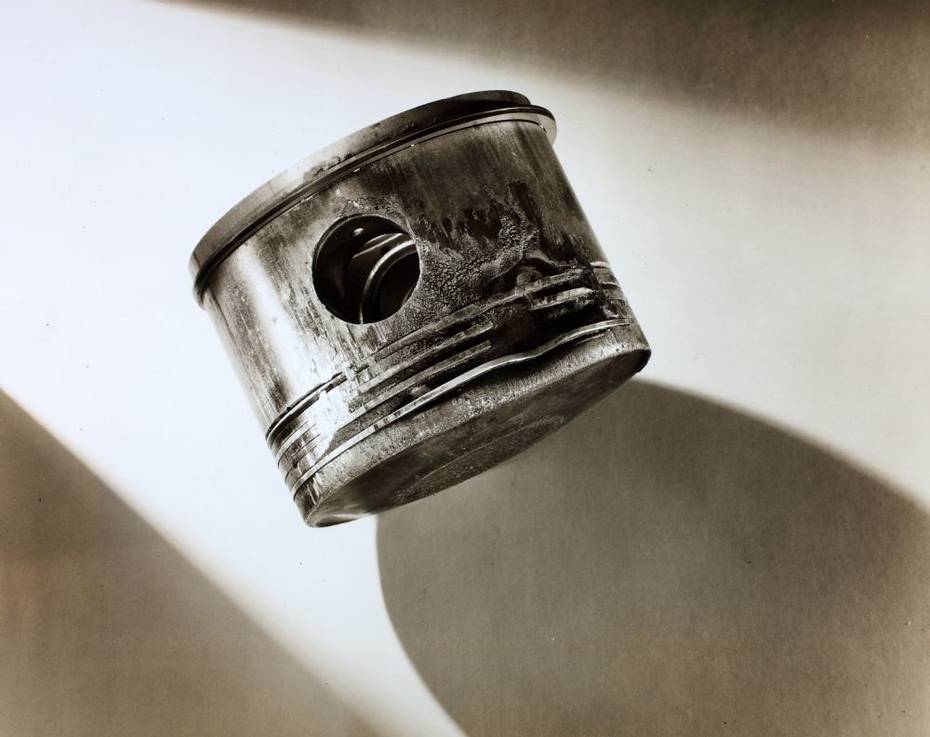
Once you have enough air in the engine, it’s time to compress it and burn atomised fuel. The heat from this reaction forces the piston downward. But how do you prepare the engine for the next power stroke? If it stays hot, the fuel will begin to burn before the piston gets to its peak (also called the top dead centre). More heat and the pressure of combustion gases can destroy the engine in a car with pre-ignition.
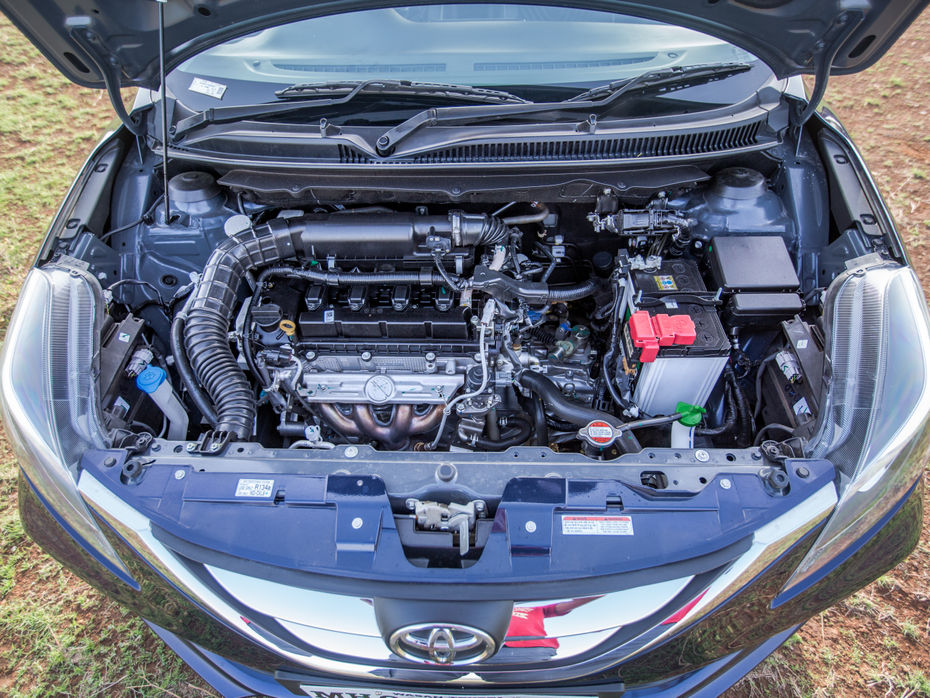
Carmakers are always trying to find novel ways to get around this problem. Maruti Suzuki has coolant nozzles in the 1.2-litre Dualjet engine which spray coolant on the underside of the rising piston. Mercedes uses an optimised water jacket which flows coolant through narrow channels near the top edge of the cylinder.
Usually, there is a combination of different techniques. EGR systems introduce oxygen-free exhaust gases into the combustion chamber. Thus, they increase the volume of gas pumped by the engine while having fewer molecules of oxygen to burn fuel.
Exhaust gas treatment:
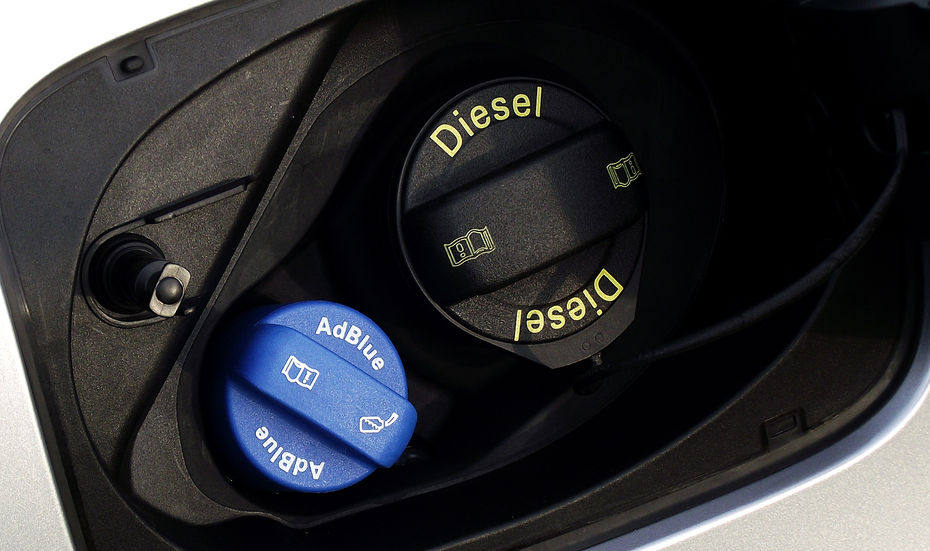
No matter how perfectly you burn petrol or diesel, the products of combustion will be carbon dioxide, a small amount of carbon monoxide, soot, nitrogen oxides, and other compounds. Barring CO2, each of these products of combustion can be treated before they leave the tailpipe. Selective catalytic reduction (SCR) systems comprise of one or more chambers which contain a urea-based fluid such as Adblue. It dissolves and neutralises disease-causing nitrogen oxides and turns them into water and nitrogen. Heavy-duty catalytic converters and SCR systems have proven to be highly effective and can ensure that only non-reactive gases are allowed to escape the tailpipe. However, these systems are expensive to develop and manufacture. That’s why some BS6 diesel cars demand a hefty premium over their BS4 counterparts.
Other improvements to improve mechanical efficiency:
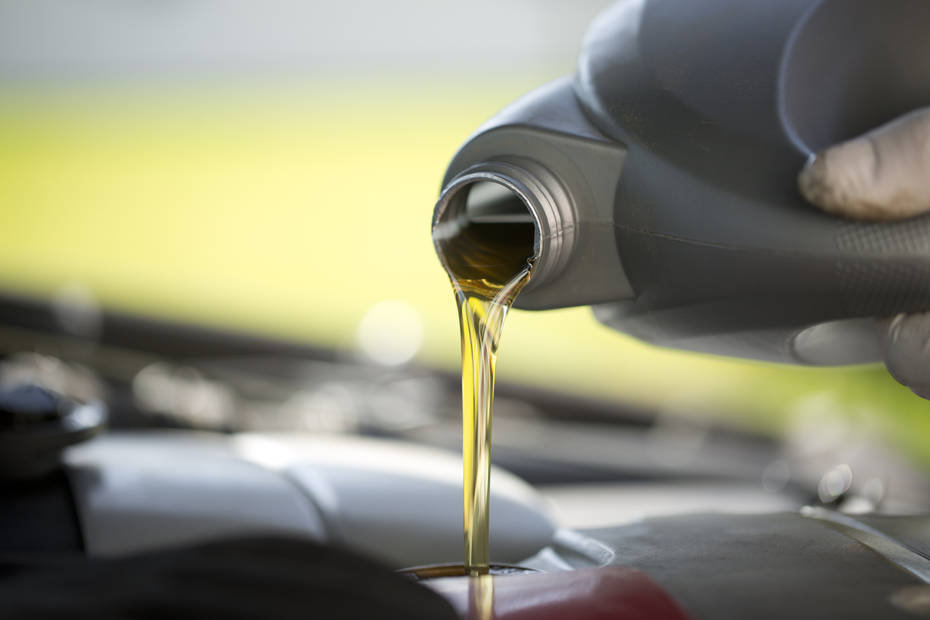
Using a thinner coolant and reducing friction between moving parts is another pursuit of carmakers. They achieve the optimum production cost-to-efficiency ratio by utilising a myriad of different metals and composites and by changing their surface finish. In addition, carmakers strive to make these moving parts, and the engines themselves, as light as possible, using aluminium and plastics in more places with each passing generation.
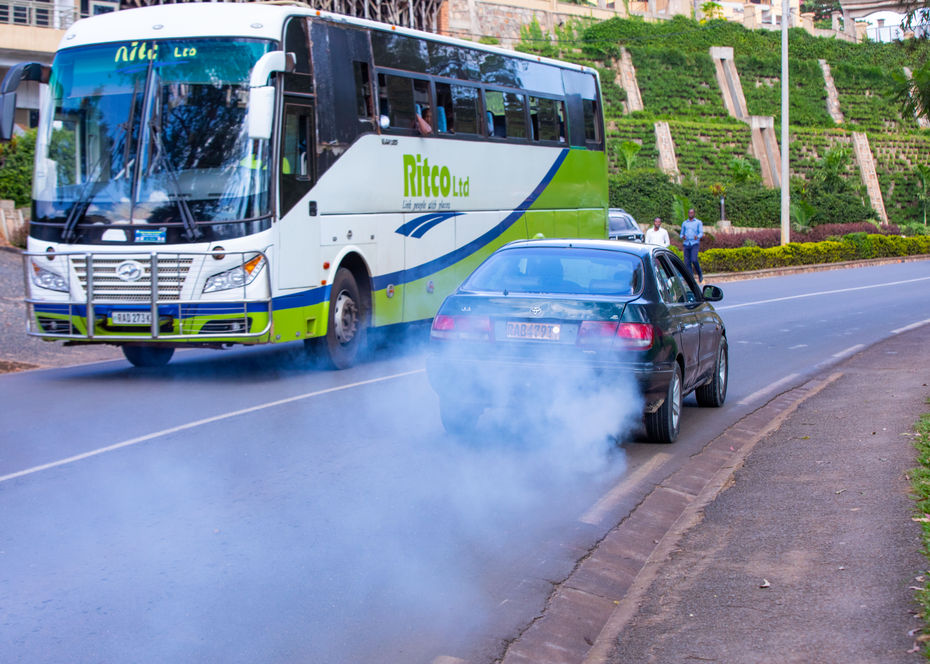
The pursuit of efficiency is never-ending. Electronic intervention such as through fuel injection, variable valve timing and a myriad of sensors and control system have made engines more efficient than mechanical components could. Electric motor-driven e-boosters often complement turbocharging systems, but could soon replace exhaust-driven turbos. Future technologies such as variable compression and spark-free compression ignition will continue to improve efficiency. In the BS6 era, you can count on hybrid systems and turbocharging to keep the polar bear happy and still put a smile on your face with more power.


EXCLUSIVE: Tata Tigor To Be Replaced By Tata Aeris
2026 Maruti Suzuki Baleno Facelift Launched At Rs 6.1 Lakh Onwards
MG Hector Tomahawk PHEV With 1100 Km Range LAUNCHED At Rs 25.69 Lakh
Volkswagen To Bring A Sportier Kylaq With Sporty Sub-4-Metre SUV
2026 Tata Curvv Series X Launched; Coupe-SUV Gets More Features In...
5 Things We Love About The MG Hector Tomahawk EV
2026 Kia Sorento Launched At Rs 27.99 Lakh Onwards! Gets Hybrid, AWD...
MG Hector Tomahawk EV Launched At Rs 19.49 Lakh! With Claimed Range...
2026 Mahindra Thar OG Launched At Rs 10.32 Lakh: Here's...
India's largest automotive community
Mahindra Thar
₹ 10.32 Lakh
BMW i7
₹ 1.95 Crore
BMW 7 Series
₹ 1.95 Crore
BMW i5 LWB
₹ 79.60 Lakh
Maruti Suzuki Baleno
₹ 5.99 Lakh
 Tata Launches Legend Series And Dark Edition For Sierra: Gets More Luxury And Stealth!
 MG Hector Tomahawk EV Short Review: So Comfortable!
 Maruti Finally Launches AMT for Dzire, Baleno, Swift S-CNG! Now Worry Lesser In Traffic
 Here Are Five Things We Loved About The BMW i5 LWB!
BMW i5 LWB First Drive Review: Does Going Electric Cost The 5 Series Its Soul?
Here Are Five Things We Loved About The BMW i5 LWB!
BMW i5 LWB First Drive Review: Does Going Electric Cost The 5 Series Its Soul?