 BREAKING: Bajaj Pulsar NS200 Gets Ride Modes and 5-inch TFT Display
Flex-Fuel vs Electric Bikes: Which Technology Makes More Sense for India Right Now?
- Published June 30, 2026
- Views : 2839
- 4 min read
-

-

-
 Follow us
All the challenges, conveniences and downsides explained
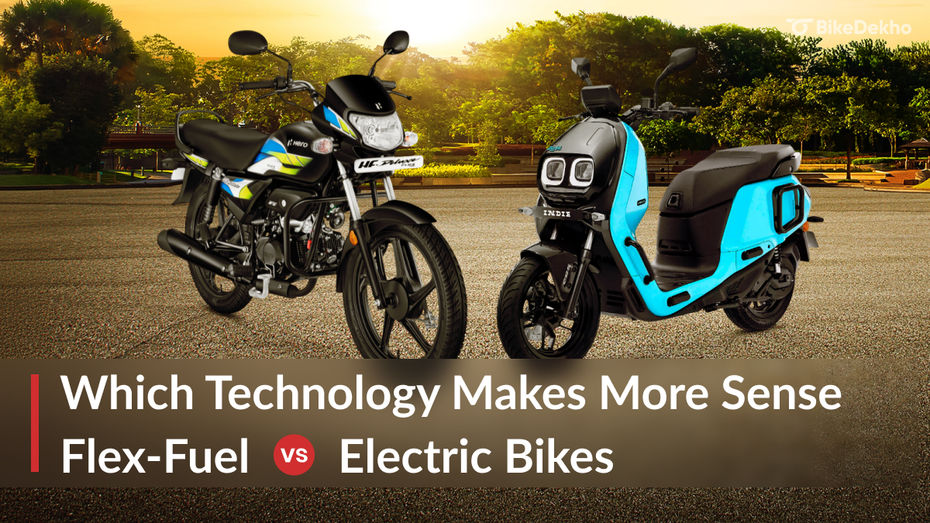
Quick Read:
-
Electric bikes target urban commutes with zero tailpipe emissions and lower running costs
-
Flex-fuel motorcycles offer a bridge technology, using traditional refueling method
-
Government policy promotes both, EV adoption and higher ethanol blending in petrol
India's mobility future is not a single track; government policy is actively supporting both electric and flex-fuel motorcycles to reduce oil dependency and emissions through parallel technologies.
How They Work
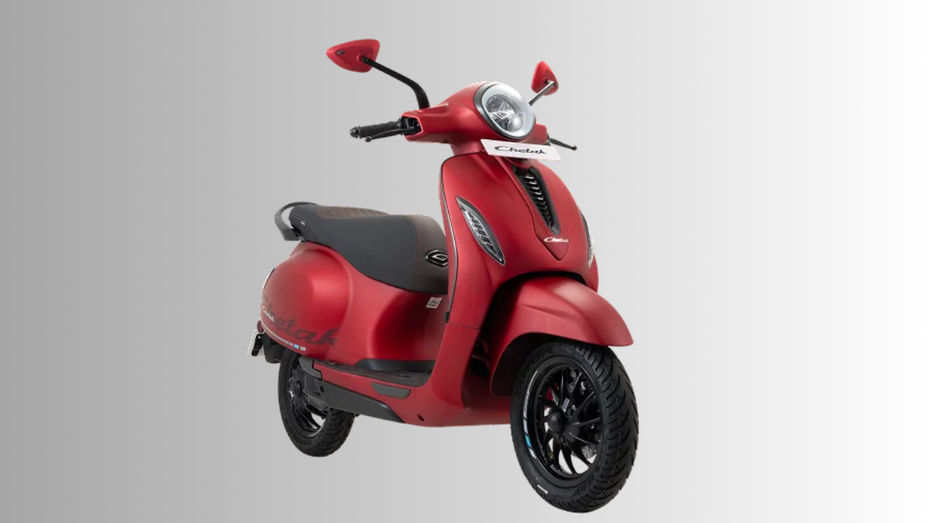
India is simultaneously pursuing two distinct routes toward cleaner two-wheeler transport. While electric vehicle (EV) adoption is being driven by incentives, a parallel push for flex-fuel technology is also underway. The two solutions address the same problem of fossil fuel consumption in different ways.
An electric bike uses a battery to power an electric motor, completely eliminating the internal combustion engine (ICE) and emissions. In contrast, a flex-fuel motorcycle retains its conventional petrol engine, however, some key components are modified to allow it to run on petrol with high concentrations of ethanol, such as E85 (85% ethanol, 15% petrol), as well as standard petrol.
Running Costs and Fuel Access
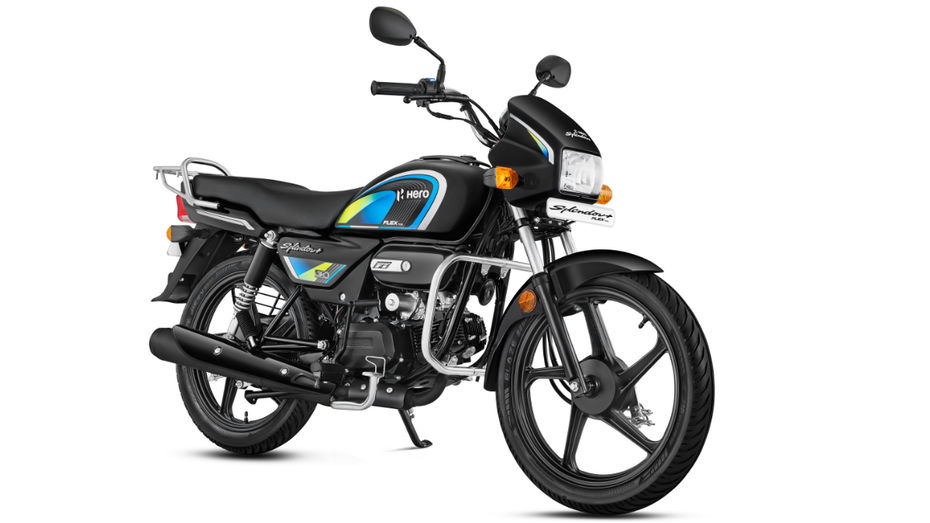
For the average commuter, the most immediate difference should appear in daily running costs. Electric bikes generally offer a lower running cost per kilometre, with home charging being significantly cheaper than petrol. However, this advantage depends on access to a reliable charging point.
Flex-fuel motorcycles promise lower fuel costs when running on high-ethanol blends compared to pure petrol, though the final pricing of E85 fuel at pumps is yet to be standardised nationwide. While the public charging network is expanding, it mainly remains concentrated in urban centres, and similarly E85 fuel availability is currently very limited. A flex-fuel bike can, however, always fall back on widely available standard petrol, a flexibility an EV does not have.
Daily Use: Urban vs Rural
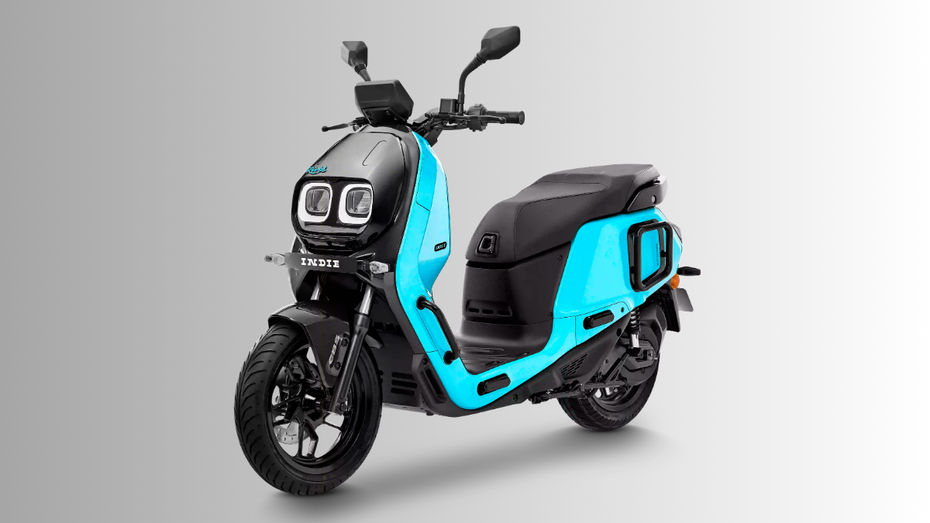
The choice between electric and flex-fuel often comes down to a rider's typical usage. Electric two-wheelers are well-suited for urban commuters. Predictable daily distances, coupled with access to overnight charging at home or the workplace. All of this makes them a practical and economical choice for city riding.
Flex-fuel models, on the other hand, hold a distinct advantage for riders in rural areas or those who cover long distances. They eliminate range anxiety and the need to plan routes around charging stations. The refuelling process is identical to a conventional petrol powered two-wheeler—a quick stop at a fuel station. This familiarity is critical in regions where the electric charging infrastructure may take years to become robust.
Total Ownership Picture
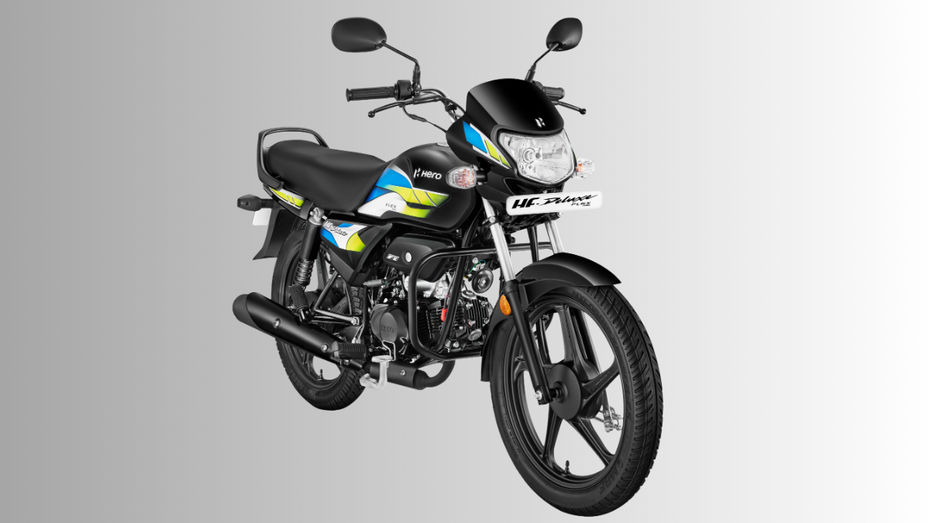
Upfront purchase price remains a primary consideration for buyers. Electric two-wheelers often have a higher initial cost, though government subsidies can reduce this gap. Their long-term ownership costs are lowered by simpler mechanicals, requiring less routine maintenance than an ICE vehicle.
Flex-fuel bikes are expected to be priced closer to their conventional petrol counterparts. They will require standard servicing schedules for engine oil, filters, and other components. For EV owners, the major long-term expense to factor in is eventual battery replacement, which can be a significant cost after several years of use. This is a cost a flex-fuel bike owner will not face.
Environmental Trade-offs
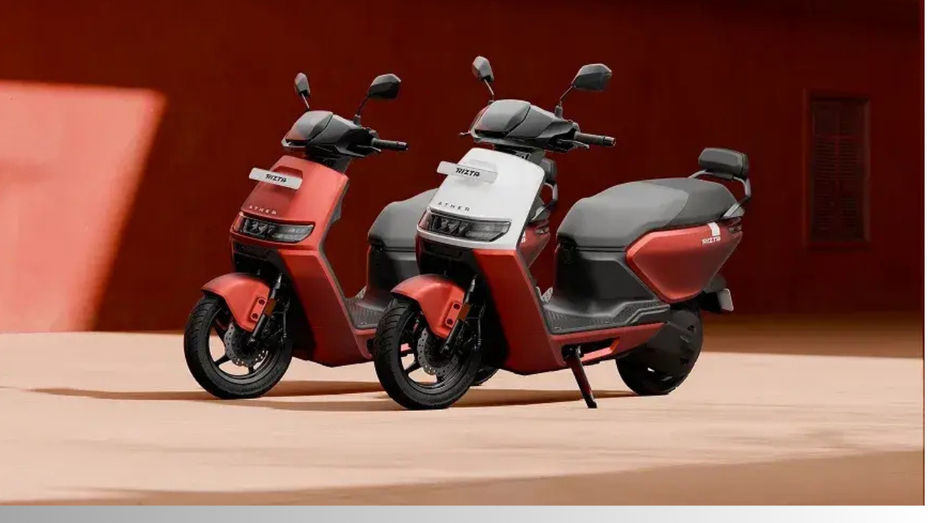
Neither technology offers a perfect environmental solution. Electric bikes produce zero emissions, which directly improves air quality in congested cities. However, their overall carbon footprint depends on the source of the electricity used for charging and the environmental impact of battery manufacturing and disposal.
Flex-fuel motorcycles still produce emissions from the tailpipe. The approach is one of reduction rather than elimination.
Why India Backs Both
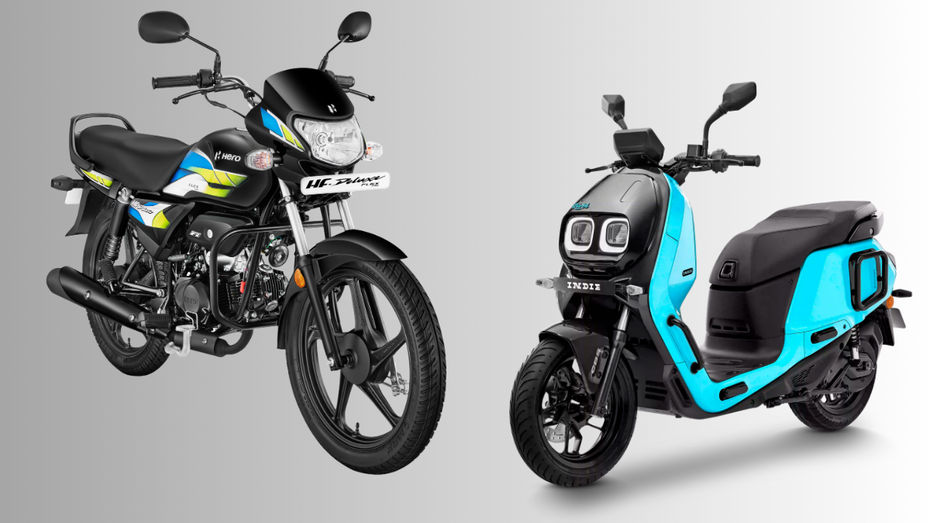
The government's dual-track strategy is a pragmatic response to India's unique challenges. A complete shift to electric mobility is a long-term goal that faces significant hurdles, including grid capacity and the slow pace of rural infrastructure development. Flex-fuel technology provides an intermediate step that leverages the existing automotive manufacturing ecosystem and fuel distribution network.
By promoting both, the policy addresses different segments of the market simultaneously. EVs cater to the urban, early-adopter, while flex-fuel bikes offer a cleaner alternative for the vast majority of riders who depend on the familiarity and reach of the current fuel station network. This ensures that progress on reducing oil imports and emissions is not limited to only one part of the country or one type of rider.
Add Your Comments


See what our community has to say! NEW
India's largest automotive community
Explore Now

Latest Cars
-
 Tesla Roadster
₹ 50.06 Lakh
Tesla Roadster
₹ 50.06 Lakh
-
Audi Q3
₹ 51.99 Lakh
-
Toyota Glanza
₹ 6.99 Lakh
-
Volvo EX90
₹ 1.26 Crore
-
Skoda Slavia
₹ 10.00 Lakh
Upcoming Cars in India
-
Hyundai Bayon
Rs. 10.00 Lakh
Launch : Oct 26, 2026 -
Mercedes-Benz GLC Electric
Rs. 80.00 Lakh
Launch : Nov 4, 2026 -
Mahindra Thar E
Rs. 25.00 Lakh
Launch : Nov 15, 2026
- Latest
- Popular
-
BREAKING: Bajaj Pulsar NS200 Gets Ride Modes and 5-inch TFT Display
-
 Ducati Formula 73 Lands in India at Rs 20 Lakh-Already Sold Out
-
 Honda Elevate ZX+ Black Variant Explored: Is the Top-End Variant The Best Looking Elevate?
-
 Ducati Hypermotard V2 and V2 SP Launched In India
-
BREAKING: Ultraviolette X47 Venom Launched; With An Introductory Price Of Rs 2.65 Lakh
Top News
-
This Is The MG Gloster In All Its Full-Size Glory
-
Tata Altroz Premium Hatchback Launched In India At Rs 5.29 Lakh
-
Mahindra Showcases Ssangyong G4 Rexton At Auto Expo 2018
Best Cars
-
Tata Nexon
Rs. 7.40 Lakh1199 cc | 17.4 kmpl | 118.3 bhp
-
Kia Seltos
Rs. 11.25 Lakh1497 cc | 113 bhp
-
Hyundai Creta
Rs. 10.91 Lakh1497 cc | 17.4 kmpl | 113.2 bhp
-
Mahindra XUV 3XO
Rs. 7.79 Lakh1197 cc | 18.9 kmpl | 110 bhp
-
Mahindra Thar ROXX
Rs. 12.52 Lakh1997 cc | 12.4 kmpl | 160 bhp
×