New Bajaj Pulsar 125: First Look Review
- Aug 16, 2026
- Views : 14033



 Follow us

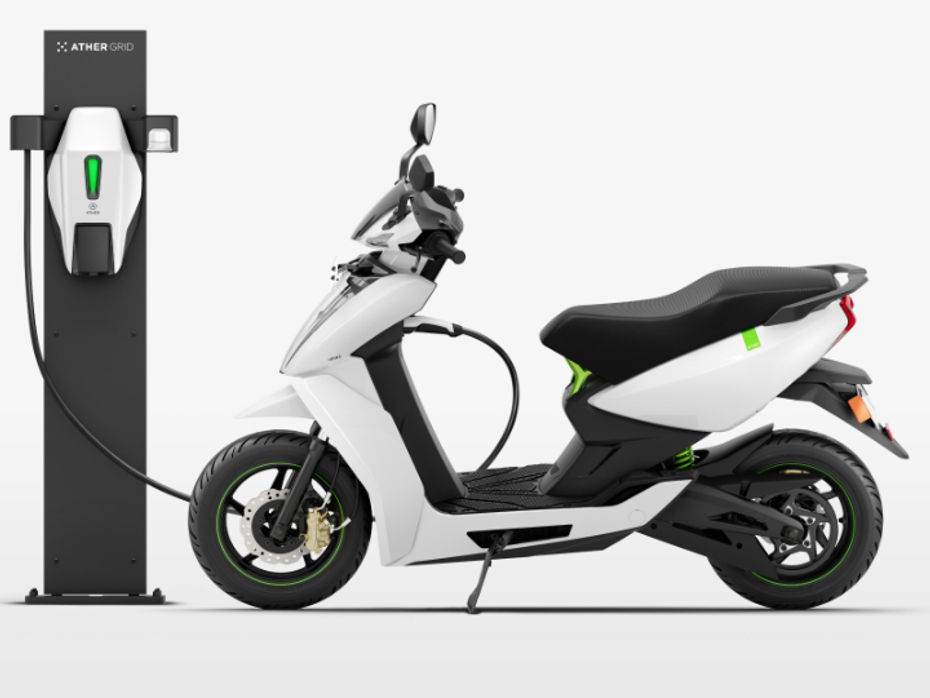
In the past few days, the Indian government’s think tank committee has submitted a drastic proposal to curb two-wheeler pollution and reduce dependency on fossil fuels. This includes completely electrifying all new two-wheelers and three-wheelers sold in India by 2025 and 2023, respectively. To put things into perspective, India sold 21 million two-wheelers in the last financial year alone. In comparison, only 1,26,000 EVs were sold in the same period.
Also Read: Mystery Bajaj Scooter Spied Testing; Could This Be An E-scooter?
So, a complete ban of over millions of petrol-powered two-wheelers over a period of just six years sounds err… ridiculous, right? Because it is. Now, it is important to note that this is merely a proposal. The government hasn’t showcased any intentions of actually putting it into action, let alone enforce it. And while we do advocate for reducing pollution and dependency on fossil fuels, the proposed timeline to make this happen looks nigh on impossible to achieve.
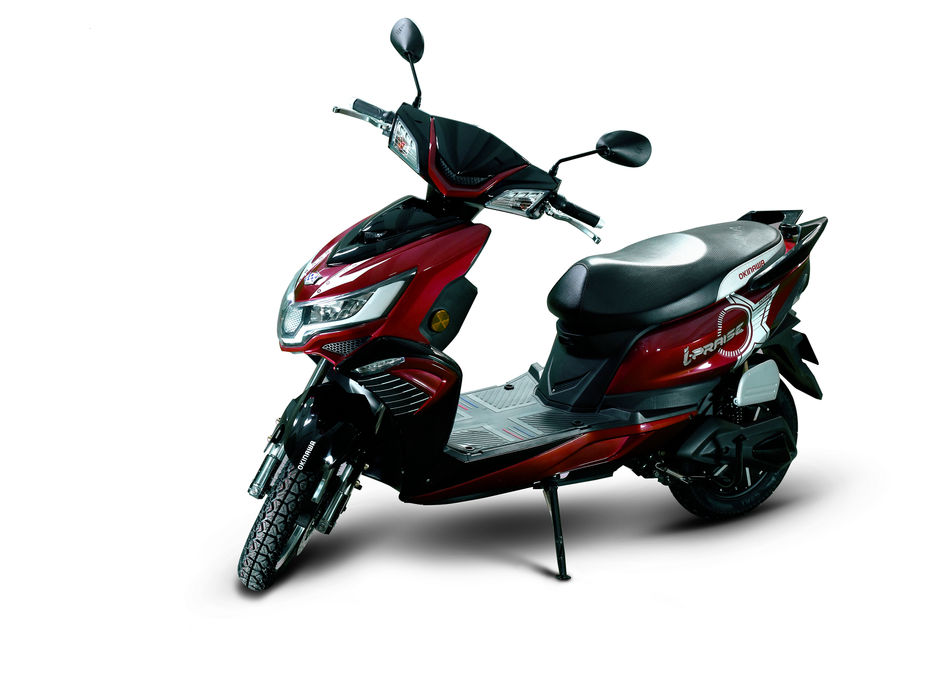
Out of the aforementioned 21 million two-wheelers, around 20 million of them (going by online reports) fall under the 150cc and below category. Now, imagine replacing all of them with EVs. That isn’t even the scary part. You see, a major part of electricity is produced via coal. Producing enough electricity for millions of two-wheelers could badly harm the environment, which goes against the whole green, clean, electric thing, right?
Also Read: Ather Energy Heading To Chennai Next
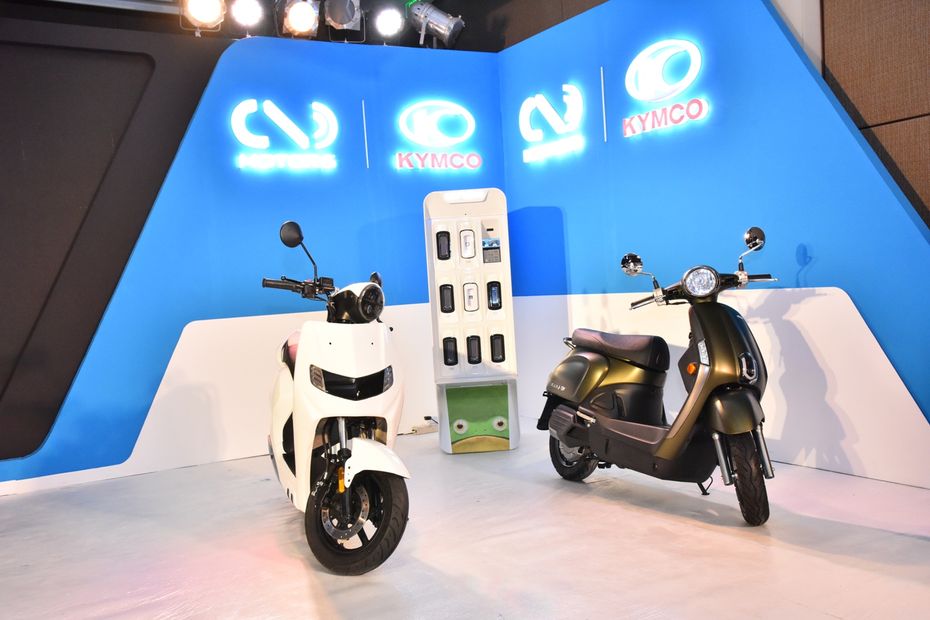
Then there are the limitations of charging infrastructure. Or, lack thereof. While companies like Kymco and Ather are in the process of setting up their own infrastructure, there needs to be a bigger initiative from the government’s side.
The modern-day lithium-ion battery is dependant on lithium, which is majorly found in China. Hence, there is a risk of being dependent on another country as we are now with middle eastern countries for fuel.
But that’s just barely scratching the surface of it. There are millions of people and thousands of vendors employed or working along with India’s major automobile giants. A drastic change to EVs could lead to a severe disturbance not only in the automobile industry but also to the country’s economy.
Yes, going forward, EVs are the future of the country. However, the progress towards it needs to be steady. Currently, the overall electric technology to completely replace conventional automobiles isn’t there yet. And cutting corners to get there isn’t going to be beneficial in the long run.


New Bajaj Pulsar 125: First Look Review
5 Things We Know About The Upcoming Ather Konarc Electric Scooter
Next-Gen Bajaj Pulsar 125 TFT Variant Spotted: New Details Revealed...
BREAKING: Yamaha R2 Launched In India: KTM RC 200 Rival Is Finally...
Ather Konarc Explained In Detail With Real-Life Images
Ather Konarc Spy Shots Reveal Key Details Ahead Of Launch
Ather's Electric Motorcycle Delayed Beyond 2028: Brand To Focus...
KTM 490 Duke Spotted Stoppie-ing: India Launch 2027
Royal Enfield Himalayan 750 Showcased In Brazil
India's largest automotive community
Simple Wave
₹ 1.10 Lakh
Ather Konarc
₹ 99,999
Yamaha YZF-R2
₹ 2.31 Lakh
Honda Rebel 300
₹ 2.60 Lakh
Honda ADV 160
₹ 1.60 Lakh
 BREAKING: Simple Wave Family-Oriented Electric Scooter Launched In India
 Royal Enfield Himalayan 440 Spotted At Dealership Ahead Of September 4 Launch
 2027 Kawasaki Ninja 500 Launched At Rs 5,76,000: Same Same, But Different
 Top 5 Things Which Make The Ampere Magnus Neo The Best First Electric Scooter
Ather’s Rizta Now Has A Mini-Me, And It Rocks!
Top 5 Things Which Make The Ampere Magnus Neo The Best First Electric Scooter
Ather’s Rizta Now Has A Mini-Me, And It Rocks!