Upcoming CoASTT Racetrack Layout Detailed
- Dec 30, 2021
- Views : 2397



 Follow us

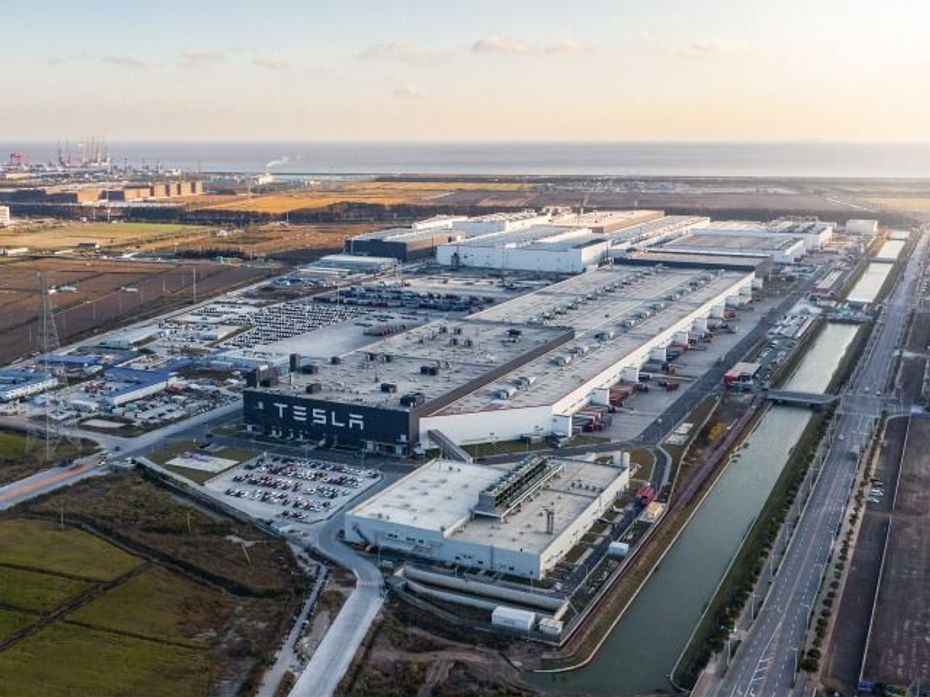
In an important shift towards liberalisation, the Chinese government will allow carmakers to own manufacturing facilities and local carmakers in China. Until now, foreign carmakers couldn’t sell their cars in the Chinese market unless they formed a joint venture with a local carmaker. With the restrictions lifted, foreign electric vehicle (EV) manufacturers looking to expand globally (such as Rivian and Lucid) might find setting up production facilities in China more lucrative.
Automakers from different countries currently manufacture, export from and sell their cars in China under joint ventures. Until 2018, they could only form 50:50 joint ventures that equally shared profits and expertise with local car companies in China. Despite this restriction and several other protectionist policies, foreign carmakers found China’s lower production costs lucrative.
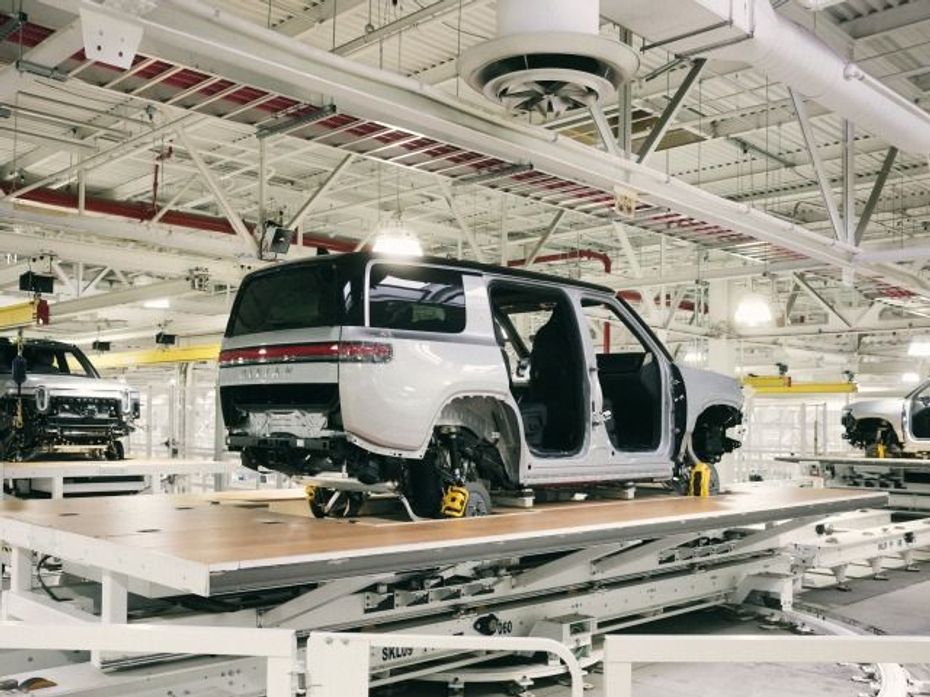
In 2018, the Chinese government let foreign carmakers own a majority stake of up to 70 percent in their joint ventures with the local companies. According to official data from the Ministry of Commerce in China, foreign investment grew by 6.5 percent between January and October of 2018, compared year-on-year with 2017.
Also read: Nitin Gadkari Issues Advisory To Carmakers To Introduce Flex-fuel Cars In India Within Six Months
To sum up, more liberal policies have seemed to work for China, and the government’s latest move is a measured response to the success of its 2018 policies. Its biggest carmakers have already become global conglomerates with unique expertise in future techs such as battery engineering and EV manufacturing, and are expanding their operations in different countries.
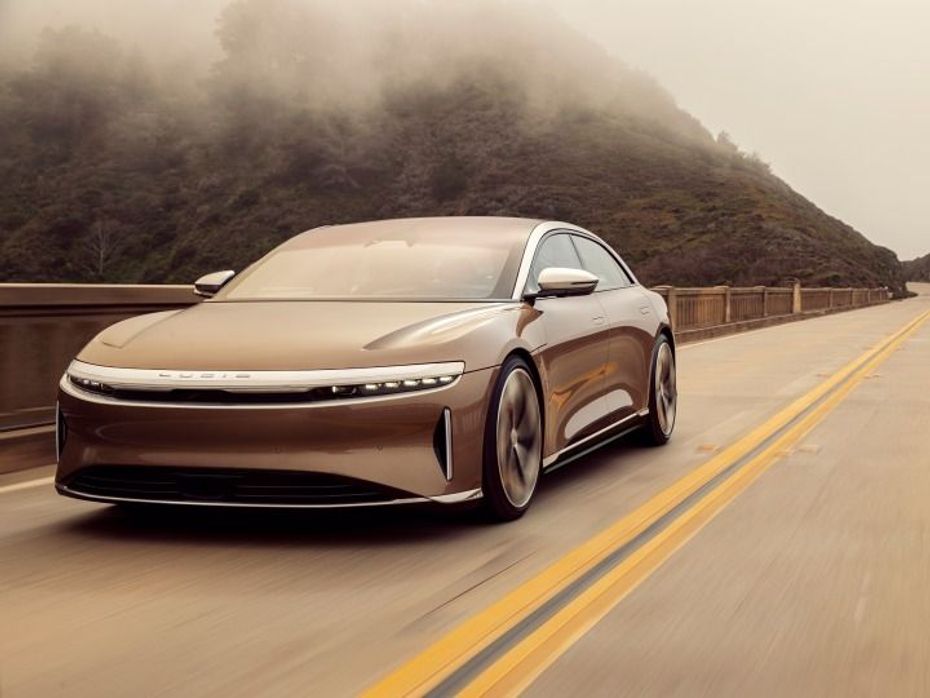
It’s not just the Chinese economy that’ll benefit from the change. Smaller EV manufacturers such as Rivian, Bollinger, Canoo and Lucid could soon try to expand into other markets. China’s lower production costs and proximity to European and Asian countries, paired with the new policies, make it ripe for setting up a new plant.
Also read: Tata Motors Forms Separate Entity For EV Business, Called Tata Passenger Electric Mobility Limited
Although it’s too early to talk about the impact on the Indian EV market, greater production numbers could help these carmakers reduce the buying cost of their electric cars and SUVs in the global market.


Upcoming CoASTT Racetrack Layout Detailed
Hyundai Bayon Launched At Rs 10 Lakh! A Cup Of Vanilla Ice Cream, Yet...
Jeep Announces Pickup Truck For India: Is The Gladiator Coming Soon?
Mahindra Scorpio-N Specs Decoded: The Numbers Behind Mahindra’s...
Family Trips, Big Luggage, Long Miles And Wild Detours: Why The...
Renault Duster Hybrid Short Review: What’s Good & What...
Range Rover SV Sawai Collection Launched At Rs 4.90 Crore! Comes In...
Hyundai Bayon Short Review: Why Does It Exist?
Bharat Mobility Expo 2027 Is Coming To Delhi: Dates, Tickets, Venues...
India's largest automotive community
Denza Z9 GT
₹ 1.56 Crore
Denza D9
₹ 90.00 Lakh
Mercedes-Benz GLC Electric
₹ 78.50 Lakh
Maserati GT2 Stradale
₹ 5.72 Crore
Maserati Grecale
₹ 1.14 Crore
 Denza Bao 5 Pulls A Boeing 747 Jumbo Jet On Just 2 Wheels!
 Lamborghini Temerario Spyder Breaks Cover! The V8 Supercar Gets The Brand’s First Retractable Hardtop
 Denza Enters India With D9 Luxury MPV And Z9 GT Shooting Brake, Prices Start From Rs 90 Lakh!
 2026 Mercedes-Benz GLC Electric Launched In India At Rs 78.5 Lakh, Gets A Massive Screen And Over 700 Km Of Claimed Range
Aston Martin Cars Get Rs 4 Crore Cheaper! Has India-UK FTA Blessed Us Well Enough?