Bharat Mobility Expo 2027 Is Coming To Delhi: Dates, Tickets, Venues...
- Nov 13, 2026
- Views : 1077



 Follow us


While the government’s aim of making manufacturers roll out only pure electric vehicles (EVs) on our roads by 2030 seems like an ambitious project, making it a reality will be a challenge considering the infrastructure required to achieve it.

Representational Image
Maruti Suzuki, India’s largest car manufacturer, has been ruling the market for a very long time and contributes to more than 50 per cent of the total car sales in the country. With the announcement of the new policy, the manufacturer will have to pioneer the development of EVs in India. In a step towards this, Maruti Suzuki’s parent company, Suzuki Motor Corporation, has started developing India’s first lithium-ion battery plant in collaboration with Toshiba and Denso in the supplier’s park neighbouring the manufacturer’s plant in Gandhinagar, Gujarat.
The announcement of the battery plant can be seen as a statement of intent from Suzuki in dealing with the changes that the Indian automotive industry is likely to witness in the coming years. This will also serve as a warning to other carmakers to buck up their efforts to deal with what’s coming their way in the year 2030.
Recommended Read:
Maruti Suzuki S-Cross Facelift: All You Need To Know
New Suzuki Swift Sport: Lighter, Stronger, Quicker, Fun-er?

Bharat Mobility Expo 2027 Is Coming To Delhi: Dates, Tickets, Venues...
Your Car Insurance IDV Could Cost You Lakhs: Here’s What You...
All-New Hyundai Bayon Compact SUV Revealed! Sportier Compact SUV To...
India’s List Of Luxury Carmakers To Expand Soon And It’s...
2026 Honda Elevate Facelift Launched At Rs 11.80 Lakh! Honda Finally...
Hyundai Bayon Launched At Rs 10 Lakh! A Cup Of Vanilla Ice Cream, Yet...
"Tesla Roadster Sucks" Says Elon Musk, Find Out Why
Renault Duster Hybrid Launched At Rs 16.99 Lakh! Most Powerful Hybrid...
Toyota Glanza Facelift Launched At Rs 6.99 Lakh! Premium Hatchback...
Mahindra XUV 3XO ZNG Launched At Rs 9.99 Lakh: All You Need To Know!
India's largest automotive community
Toyota Innova Hycross
₹ 19.59 Lakh
Denza Z9 GT
₹ 1.56 Crore
Denza D9
₹ 90.00 Lakh
Mercedes-Benz GLC Electric
₹ 78.50 Lakh
Maserati GT2 Stradale
₹ 5.72 Crore
Mini Cooper SE
Rs. 50.00 Lakh
Toyota Fortuner Next Gen
Rs. 40.00 Lakh
Honda Alpha
Rs. 20.00 Lakh
JSW Jetour T2
Rs. 20.00 Lakh
Volkswagen Virtus Facelift
Rs. 11.99 Lakh
 Denza Bao 5 Pulls A Boeing 747 Jumbo Jet On Just 2 Wheels!
 Lamborghini Temerario Spyder Breaks Cover! The V8 Supercar Gets The Brand’s First Retractable Hardtop
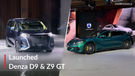 Denza Enters India With D9 Luxury MPV And Z9 GT Shooting Brake, Prices Start From Rs 90 Lakh!
 Mahindra Scorpio-N Specs Decoded: The Numbers Behind Mahindra’s Toughest Family SUV
Family Trips, Big Luggage, Long Miles And Wild Detours: Why The Mahindra Scorpio-N Is The Complete Family SUV