 Skoda Auto Volkswagen India Private Limited Signs MoU With JSW: Partnership To Strengthen Their Automotive Foothold?
Tyres for Eco-performance
- Published March 1, 2012
- Views : 13639
- 2 min read
-

-

-
 Follow us
It's not just automobiles that have kept pace with the times and increased environmental pressures to become environment friendly. The tyres they ride on, too, have become more eco friendly. Read on to know more about eco-performance tyres
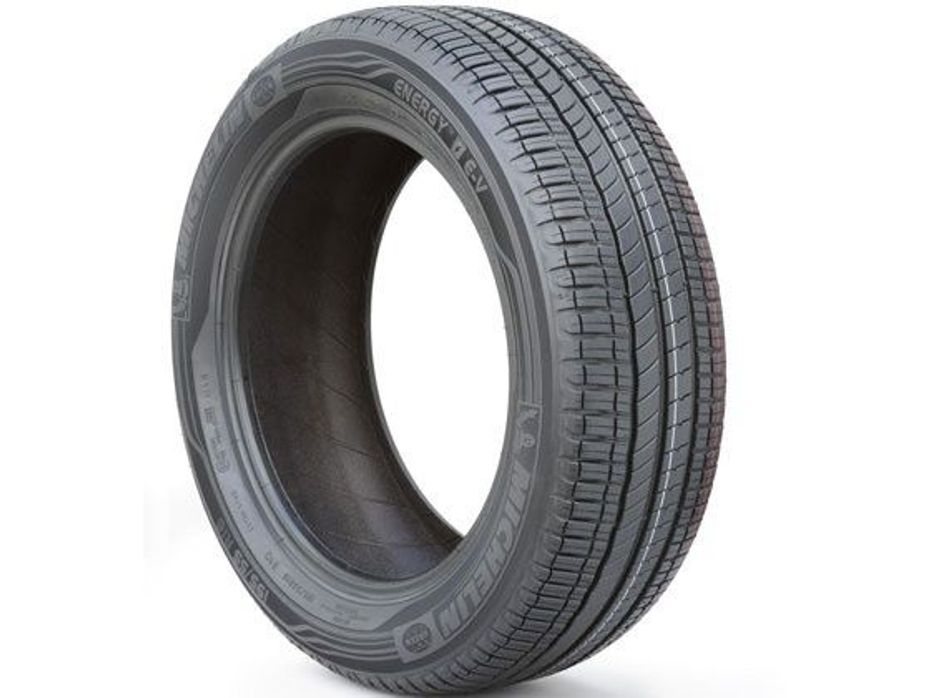
Increased environmental pressures have caused automobiles to evolve and become cleaner and more efficient. Apart from modern engine technologies that make vehicles more fuel efficient and emit lower emissions, it has been discovered that tyres, too, contribute to reducing fuel consumption and emissions.
Tyres created to reduce fuel consumption have low rolling resistance. Low rolling resistance, as the name suggests, is achieved by reducing friction between the tyre and the road surface. However, low-rolling resistance tyres adversely affect the tyre’s ability to grip the road due to less friction, making it more susceptible to loss of traction and skidding. As a result, in earlier times, it was impossible to make a tyre that reduced fuel consumption and provided good grip on all types of road surfaces and in the rain.
The introduction of silica to a tyre compound has allowed tyre makers to make low-rolling resistance tyres with adequate grip. Tyre experts looked at design, contour, compound and tread pattern, and took a completely new approach to all four components of the tyre to achieve both fuel efficiency and optimum grip.
The optimised tread grooves with extra thin sipes reduce tread deformation and minimise energy loss, reducing rolling resistance. Polymer chains used inside the tyre form a stronger bond with the silica compound. The more rigid structure along with a flatter contour reduces movement of the belt structure inside the tyre. Also, the distribution of tread depth on the tyre tread is altered to adapt to the further reducing movement of the belt structure, thereby lowering rolling resistance.
While eco tyres deliver low-rolling resistance thereby improving fuel economy, these tyres cannot be used on high-performance cars as they do not provide adequate grip. A new type of tyre called the Eco-performance tyre is gradually evolving to bridge the gap between low-rolling resistance and optimal grip.
Eco-performance tyres are made up of compounds that allow it to absorb low levels of energy under normal circumstances to improve fuel efficiency. However, the mixture of compounds used in eco-performance tyres allow the tyre to absorb higher levels of energy at higher frequencies allowing the tyre to have more grip on wet roads, under high speed manoeuvres and under braking.
Eco-performance tyres do not heat up as quickly as regular road tyres thus reducing energy consumption and increasing efficiency of the powertrain. However, the rubber in the contact patch with the road heats up quickly upon braking, shortening the braking distance of vehicles.
Add Your Comments


See what our community has to say! NEW
India's largest automotive community
Explore Now

Latest Cars
-
 BMW i5 LWB
₹ 79.60 Lakh
BMW i5 LWB
₹ 79.60 Lakh
-
Maruti Suzuki Baleno
₹ 6.10 Lakh
-
Kia Sorento
₹ 27.99 Lakh
-
MG Hector Tomahawk PHEV
₹ 25.70 Lakh
-
MG Hector Tomahawk EV
₹ 19.50 Lakh
Upcoming Cars in India
-
BMW i7 Facelift
Rs. 2.10 Crore
Launch : Sep 11, 2026 -
BMW 7 Series Facelift
Rs. 1.80 Crore
Launch : Sep 11, 2026 -
Skoda Superb 2026
Rs. 50.00 Lakh
Launch : Sep 18, 2026 -
Skoda Slavia Facelift
Rs. 11.99 Lakh
Launch : Sep 18, 2026 -
Volkswagen Virtus Facelift
Rs. 11.99 Lakh
Launch : Sep 25, 2026
- Latest
- Popular
-
Skoda Auto Volkswagen India Private Limited Signs MoU With JSW: Partnership To Strengthen Their Automotive Foothold?
-
 Top 5 Things We Loved About The 2026 Maruti Baleno Facelift
-
 2026 BMW i5 LWB Launched At Rs 79.60 Lakh Onwards: Is This The Best Balance Of Sport, Luxury And Electric?
-
 Volvo EX90 Review: A Mix Of Swedish Quirk And Elegance
-
2026 Maruti Suzuki Baleno Facelift Launched At Rs 6.1 Lakh Onwards
Top Expert Reviews
-
MG Astor First Drive Review: Standing Out In Style
-
2021 Mahindra XUV700: First Drive Review
-
Kia Sonet Driven: More Than Just A Great Brochure?
Best Cars
-
Mahindra Thar
Rs. 10.32 Lakh1497 cc | 11 kmpl | 116.9 bhp
-
Hyundai Creta
Rs. 10.91 Lakh1493 cc | 21.8 kmpl | 114 bhp
-
MG Hector
Rs. 11.99 Lakh1451 cc | 12.3 kmpl | 141 bhp
-
Kia Seltos
Rs. 11.00 Lakh1497 cc | 113 bhp
-
Hyundai Venue
Rs. 8.00 Lakh1493 cc | 17.9 kmpl | 114 bhp
×