Kawasaki Ninja 400 vs Kawasaki Vulcan S
Last Updated: October 11, 2026
Kawasaki Ninja 400 price starts at Rs. 5.24 Lakh, which is Rs. 2.99 Lakh cheaper than the base variant of Kawasaki Vulcan S, priced at Rs. 8.23 Lakh. In terms of mileage, the Ninja 400 offers a claimed 29.24 kmpl, while the Vulcan S delivers 20.58 kmpl. On the performance front, the Ninja 400 uses a 399cc engine producing 45 PS @ 10000 rpm and the Vulcan S a 649cc engine producing 61 PS @ 7500 rpm. If you're deciding between the Ninja 400 and Vulcan S, the Ninja 400 is the better pick for affordability and mileage, while the Vulcan S stands out for performance.
...Read More
Ninja 400 vs Vulcan S Comparison Summary
| Specification | Kawasaki Ninja 400 | Kawasaki Vulcan S |
|---|---|---|
| Ex-showroom price (base) | Rs. 5.24 Lakh | Rs. 8.23 Lakh |
| Mileage | 29.24 kmpl | 20.58 kmpl |
| Engine | 399 cc | 649 cc |
| Max power | 45 PS @ 10000 rpm | 61 PS @ 7500 rpm |
| Kerb weight | 168 Kg | 235 Kg |
-
Kawasaki Ninja 400 DISCONTINUED
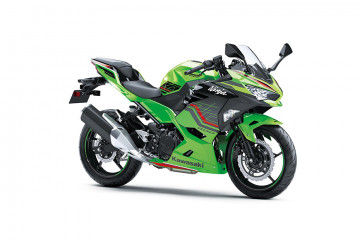 Rs. 5.24 LakhKawasaki Vulcan S
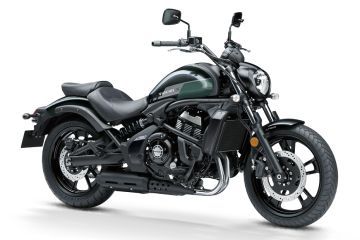 Rs. 8.23 Lakh EMI - Rs. 22,534 View October Offers
Ninja 400 vs Vulcan S Key Highlights
| Basic Info | Kawasaki Ninja 400 ABS BS6 | Kawasaki Vulcan S STD |
|---|---|---|
| Rating |
43 reviews
|
16 reviews
|
| Brand Name | Kawasaki | Kawasaki |
| Ex-Showroom Price | Rs. 5.24 Lakh | Rs. 8.23 Lakh Check On Road Price |
| Engine Type | Liquid-cooled, 4-stroke Parallel Twin | Liquid-cooled, 4-stroke, parallel twin, DOHC |
| Max Power | 45 PS @ 10000 rpm | 61 PS @ 7500 rpm |
| Fuel Type | Petrol | Petrol |
| Colors | ||
| Wheel Size | Front :-431.8 mm,Rear :-431.8 mm | Front :-457.2 mm,Rear :-431.8 mm |
| Wheels Type (Pressed Steel/ Alloy) | Alloy | Alloy |
| ABS | Not Available | Dual Channel |
| Starting | Self Start Only | Self Start Only |
| Speedometer | Analogue | Analogue |
| EMI | Not Available |
Rs. 22,534
@
6% (36 months)
|
| Insurance | Not Available | Rs. 29,831 Vulcan S Insurance |
| Brochure | N/A | N/A |
Engine |
|
||||||||||||||||||||||||||||||||||||||||||||||||||||||||||||||||||||||||||||||||||||||||||||||||||||||||||||||||||||||||
|---|---|---|---|---|---|---|---|---|---|---|---|---|---|---|---|---|---|---|---|---|---|---|---|---|---|---|---|---|---|---|---|---|---|---|---|---|---|---|---|---|---|---|---|---|---|---|---|---|---|---|---|---|---|---|---|---|---|---|---|---|---|---|---|---|---|---|---|---|---|---|---|---|---|---|---|---|---|---|---|---|---|---|---|---|---|---|---|---|---|---|---|---|---|---|---|---|---|---|---|---|---|---|---|---|---|---|---|---|---|---|---|---|---|---|---|---|---|---|---|---|---|
Brakes |
|
||||||||||||||||||||||||||||||||||||||||||||||||||||||||||||||||||||||||||||||||||||||||||||||||||||||||||||||||||||||||
Performance |
|
||||||||||||||||||||||||||||||||||||||||||||||||||||||||||||||||||||||||||||||||||||||||||||||||||||||||||||||||||||||||
Suspension |
|
||||||||||||||||||||||||||||||||||||||||||||||||||||||||||||||||||||||||||||||||||||||||||||||||||||||||||||||||||||||||
Tyres |
|
||||||||||||||||||||||||||||||||||||||||||||||||||||||||||||||||||||||||||||||||||||||||||||||||||||||||||||||||||||||||
Dimensions |
|
||||||||||||||||||||||||||||||||||||||||||||||||||||||||||||||||||||||||||||||||||||||||||||||||||||||||||||||||||||||||
Electricals |
|
||||||||||||||||||||||||||||||||||||||||||||||||||||||||||||||||||||||||||||||||||||||||||||||||||||||||||||||||||||||||
Features |
|
||||||||||||||||||||||||||||||||||||||||||||||||||||||||||||||||||||||||||||||||||||||||||||||||||||||||||||||||||||||||
Service Cost |
|
||||||||||||||||||||||||||||||||||||||||||||||||||||||||||||||||||||||||||||||||||||||||||||||||||||||||||||||||||||||||
Warranty |
|

Do you own a Car or Bike?
- Interact with community
- Become a Top Contributor
Add Car
Add Bike
Videos of Kawasaki Ninja 400 and Kawasaki Vulcan S
- 2022 Kawasaki Ninja 400 Review ft. KTM RC 390 | The Best 400cc Sport Bike In India | Zigwheels 16 Sep, 2022 4795 views 6:08
-
-
-

Latest News on Kawasaki Ninja 400 and Kawasaki Vulcan S
-
 Kawasaki Ninja 400 Discontinued, Succeeded By Ninja 5008 May, 2024 | By Team ZigWheels
 -
BREAKING: 2027 Kawasaki Vulcan S Launched At Rs 8.23 Lakh15 Sep, 2026 | By Team ZigWheels
-
Kawasaki Ninja 400, Ninja 650, Versys 650 & Vulcan S Now More Affordable5 Mar, 2024 | By Team ZigWheels
-
2026 Kawasaki Vulcan S & Z650RS Launched In India: New Year, Old Me?30 Dec, 2025 | By Team ZigWheels
-
Get Ready For The Four-cylinder 400cc Screamer From Kawasaki10 Sep, 2023 | By Team ZigWheels
-
2025 Kawasaki Vulcan S Launched At Rs 7.1 Lakh11 Oct, 2024 | By Team ZigWheels
-
Team Green Is Ready To Go Full Green With These New EVs4 Aug, 2023 | By Team ZigWheels
-
Kawasaki Brings The 2022 Vulcan S To India With New Colours13 Aug, 2021 | By Team ZigWheels
-
Top 5 Highlights Of Kawasaki’s Latest Baby Sportbike3 Feb, 2023 | By Team ZigWheels
-
Kawasaki’s Mid-capacity Cruiser Just Got Snazzier13 Jul, 2021 | By Team ZigWheels
Recently Asked User Questions
Q. Which one should I buy Ninja 400 or KTM RC 390 or BMW 310 GS?
- All three bikes are good in their own forte. The 2022 Kawasaki Ninja 400 is priced at Rs 4,99,000, ex-showroom Delhi, which is the same price as the previous-gen bike. Mechanically, the Ninja 400 is identical to the older model, carrying on with the 399cc, liquid-cooled, parallel-twin engine with 45.3PS and 37Nm on tap. The 2022 Kawasaki Ninja 400 will come with a twin-LED headlamp and a semi-digital instrument cluster. If we talk about RC 390, while maintaining its sporty nature, KTM has also managed to make the 2022 RC 390 a bit more practical when it comes to everyday riding. This is done via a wider clip-on handlebar, redesigned split (and more cushioned) seat setup and a larger tank to better grip with your knees. On the other hand, improvements to the engine, suspension and brakes have significantly enhanced the overall riding experience of the baby GS. It feels more polished, is more capable off-road, and has better equipment for an asking price that’s not only cheaper than before but also much more affordable than the KTM 390. Moreover, we would suggest you to take a test ride for a better understanding of performance and comfort. Click on the link and select your desired city and brand for dealership details.
Q. Which one should i buy Kawasaki Ninja 400 or the Honda CBR 500R?
- It would be unfair to give a verdict here as the bikes have not been launched yet. You are requested to wait till the official launch. Stay tuned.
Q. Which is the best in 400cc segment between KTM RC390 and Kawasaki Ninja400?
- The Ninja 400 is identical to the older model, carrying on with the 399cc, liquid-cooled, parallel-twin engine with 45.3PS and 37Nm on tap. This bike now also gets an updated slip-and-assist clutch that Kawasaki claims, has 20% lighter lever action than before. This should make it effortless to ride on roads with stop-go traffic. On the other hand, the ABS, much better tyres, projector headlamps, more power, and all this at a cheaper price, makes the RC390 feel like a bargain. Moreover, we would suggest you to take a test ride before making the final decision. Follow the link and select your desired city for details.
Kawasaki Ninja 400 Vs Kawasaki Vulcan S FAQs
Which bike is best between Kawasaki Ninja 400 vs Kawasaki Vulcan S?
As per the users experiences Kawasaki Ninja 400 is a winner for you if you are seriously looking for features in your bike. But Kawasaki Vulcan S is better on the grounds of performance and comfort. On the basis of mileage and maintenance user have rated both the bikes equally.
Which bike is cheaper Kawasaki Ninja 400 vs Kawasaki Vulcan S?
The Kawasaki Ninja 400 is cheaper than Kawasaki Vulcan S by ₹2.99 Lakh.
Which bike offers better performance Kawasaki Ninja 400 vs Kawasaki Vulcan S?
For the ABS BS6 version, 399 cc Petrol engine of Ninja 400 produces 45 PS @ 10000 rpm of power and 37 Nm @ 8000 rpm of torque. Whereas for the STD version, 649 cc Petrol engine of Vulcan S produces 61 PS @ 7500 rpm of power and 61 Nm @ 6600 rpm of torqueAs per the users experiences the Kawasaki Ninja 400 has better performance.
Images of Kawasaki Vulcan S and Kawasaki Ninja 400
- Home ›
- New Bikes ›
- Compare Bikes ›
- Kawasaki Ninja 400 vs Kawasaki Vulcan S
×