New Ford Fiesta to be launched in March
- Mar 3, 2014
- Views : 21509


 Follow us

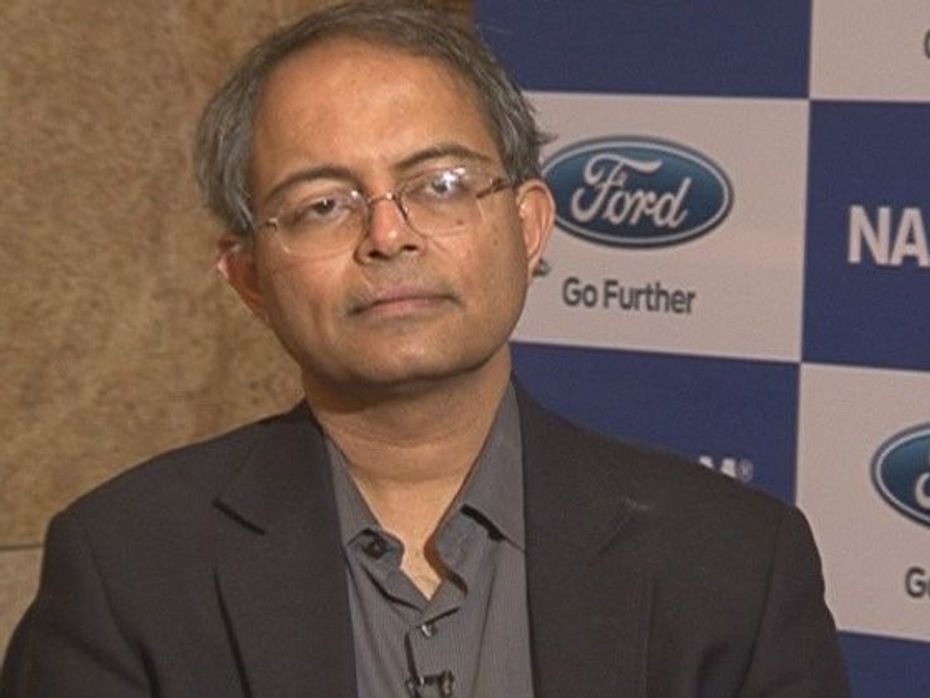
Q1. What exactly is the length and breadth of your OpenXC research project in India? Can you give us some of its highlights?
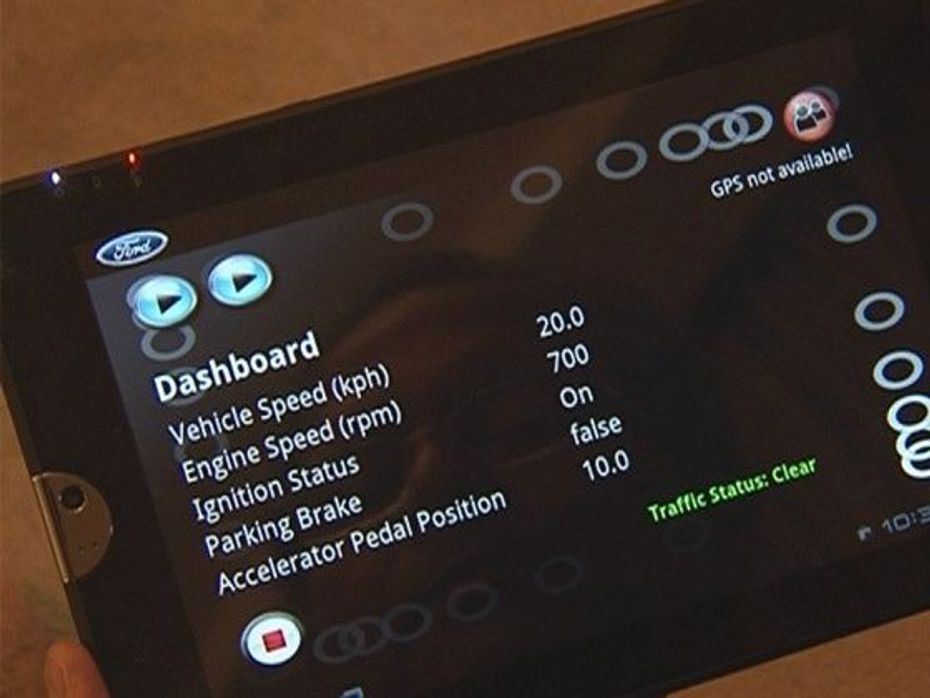
Open XC is our window into an open collaboration. The principle of Open XC is to embrace and recognize the great deal of talent that is outside the ambit of any single manufacturer, producer or firm. There are more smart people outside than on the inside. So we are sort of embarking on this journey where we are attempting to offer solutions that can better help you personalize your car as easily as it to do the same with your phone app or PC applications.
We think the car is a platform that can be modified, personalized and customized, but it is a platform on where these changes and applications have to be made keeping in mind such requirements of safety and regulations.
Q2. What are the applications we can hope to see as a part of this OpenXC Research Project?
OpenXC is a research project, so we are engaging students at Universities, we are working with start ups and we have experiments going on with students in three places in the US, and we seriously considering an engagement with a University in India.
To give you an example we just created an application in India that basically allows you to let your car use your phone to send out an SMS to your contacts, maybe just one or two of your contacts, i.e. people who are expected to meet you at the end of your journey and need to be informed that you are running late.
On detecting that you are driving your car at 0-5 km/hr when the posted speed is in fact 30 km/hr, the car posts a message saying that “You must be running late!” and then sends out an SMS communicating your expected delay to the concerned contacts on your cell phone. Once you reach your destination and turn off your car, your car sends a message to your phone, which then sends a message out to your colleagues to say that you have reached safely.
Q4. We got a glimpse of Ford’s advanced 1.0 liter EcoBoost engine at the 2012 Delhi Auto Expo? Besides the EcoSport model scheduled for launch later this year, are you looking at replacing any your current crop of models in India with this engine. If so, what are the immediate benefits that you envisage?
We have taken a platform approach to everything we do globally, and by that we mean that we build a very reliable and durable underbody and then we place on it major components and systems that are very valuable to the consumers.
So, the EcoBoost engine for example gives you better fuel efficiency and that’s a statement we are making, so how you go about placing these products in the local market is really a question of what the market needs, but we create this platform which is used everywhere that allows for cost efficient placement of this value proposition for the market. By this we can reap the benefit of economies of scale, like for example the new Fiesta model here in India, which is built on the same platform as the one in European markets.
Q5. The 2013 Ford Fusion and Flex in North America have been introduced with innovative technologies like Ford’s very own SYNC (mobile connectivity) and MyFord Touch interface? Any plans of installing similar equipment on future cars sold here?
We are quite focused on how we align ourselves globally and it’s not like India is an afterthought, but how we work is that we assemble a global team for creating the basic platform and underbody and later consider the efficient deployment of technologies and comforts depending on whether a particular local market is ready for it or not.
Q6. Tell us a little about Ford’s accessibility as a car company across social media and multimedia platforms? What are the applications, websites and portals that young Ford enthusiasts of today should look out for?
Youngsters are free to jump onto Facebook, Twitter and Flicker, because we are everywhere. We have a really active vibrant community of people within Ford who are blogging and posting outward. We also have a very large community of people who own our products and share their experiences with us.
For example before the official launch of the Fiesta in the US, we gave the car out to individuals for a period of six months only if they had a certain number of followers on their Twitter accounts or a Youtube video posted by them that had a certain number of views. So this is how we filtered who we gave our car to before it was actually launched.
Q7. So far, what has the reaction been from customers of the new Ford Fiesta with its state of the art Voice Recognition Technology and Cruise Control technologies?
Globally, the Voice Recognition Technology has done well to keep drivers more focused on their driving, but the system does have some limitations and imperfections. It’s sensitive to what your voice is and other conditions inside the vehicle like if your windows are open of raised and the wind blowing against it. This has introduced uncertainties into the performance of this system, but Ford is using technologies to improve and perfect its existing technologies.
Q8. Finally, how effective was the Fiesta Café initiative in creating a customer base for the product? Are you planning similar technology driven initiatives for your future launches as well?
It was quite effective and we are committed to doing more of that and making the immersive experience a reality for our future customers and really being at the forefront of using social and digital media and connectivity technologies to help shape our experience.
New Ford Fiesta to be launched in March
Ford to unveil new Fiesta on 5th Feb
Ford Fiesta EcoBoost bags Women's World Car of the Year award
Premium Diesel Sedans to buy post 2012 Budget
Ford introduces affordable 2012 Fiesta line-up
New Ford Fiesta Automatic Launched
Delhi Auto Expo 2012: Ford showcase plans
Ford Fiesta Hatckback
Ford reveals Fiesta ST concept at Frankfurt
2024 Mahindra XUV 3XO Interior Revealed: Old vs New Compared
India's largest automotive community