2026 Maruti Brezza Teased! Comprehensive Update With Styling &...
- Jul 18, 2026
- Views : 12681



 Follow us

European Union (EU) has decided to reduce greenhouse gas emissions from the transport sector by 20% between now and 2030 and further cut emissions in the future. The trouble is the number of trucks transporting various consumables and commodities will continue to grow backed by consumer demand. The situation seems to be stretching the band from both ends and the way to reduce that tension in the opinion of Anders Ahlbäck, project manager in the Area of Advance for Transport, Chalmers University of Technology, “In order to succeed, a number of different measures will be needed such as better logistics, more efficient engines, more fuel-efficient driving techniques and new fuels. But one of the solutions may also be larger and more powerful trucks.”
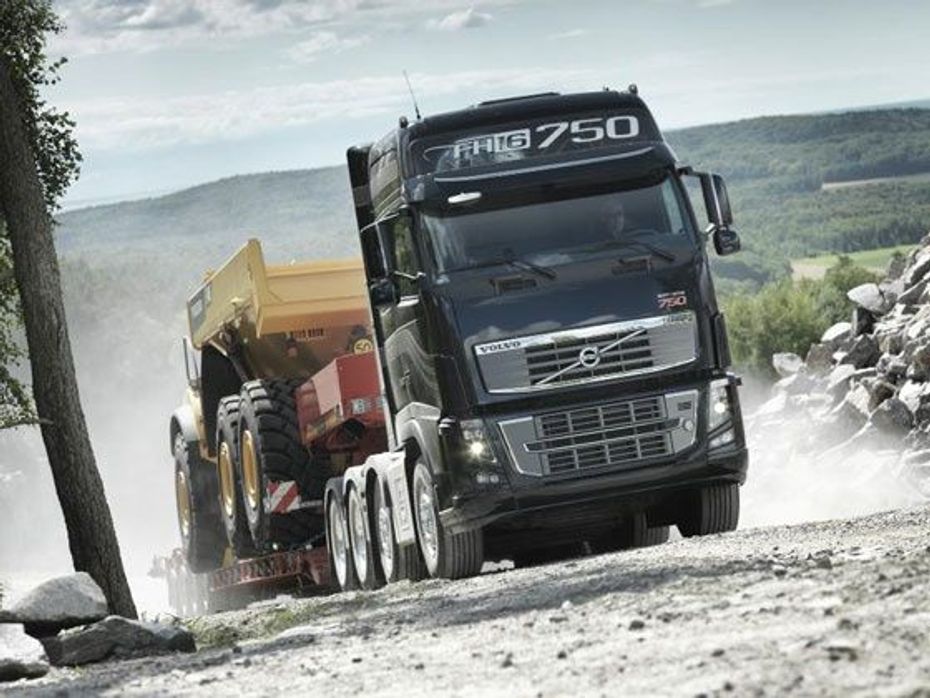
The concept behind trucks with bigger engines is very simple, in essence trucks with larger displacement engines with more power output can carry more freight which will ultimately lead to fewer trucks on the road. This will result in less overall fuel consumption from the transport sector. Also, bigger engines will be able to carry heavier loads such as wind power stations, timber, iron ore and other machinery uphill at lesser rpm than a smaller engine, this means that bigger engines will consume less fuel. Currently for this sort of operation there are trucks like the Volvo FH16 which has a power output of 750 bhp.
“What is remarkable is that during the same period, fuel consumption and climate impact have dropped by an average of about 40 per cent, whilst emissions of nitrogen oxides and particles have been cut by more than 90 per cent,” says Hayder Wokil, product manager at Volvo Trucks.
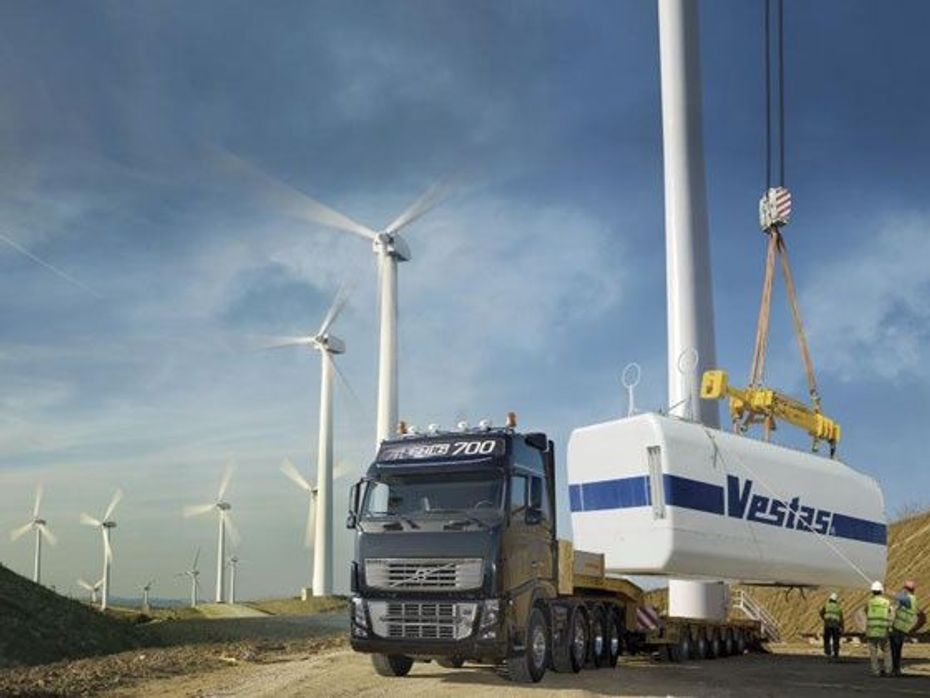
Volvo Trucks in its never ending quest for efficient and cleaner engines say that more still remains to be done. They are working to further reduce fuel consumption and emissions from their engines. With the new idea of longer trailers linked to trucks with bigger engines will reduce one in three trucks on the road thereby reducing fuel consumption from the transport sector as well as reducing traffic congestion on the roads which means constant speeds for passenger vehicles which in turn lowers fuel consumption of all vehicles on the road. It’s a win-win situation really and we can only hope India will take the same approach as one of the factors to reducing greenhouse gas emissions.

2026 Maruti Brezza Teased! Comprehensive Update With Styling &...
Nissan Launched The Tekton SUV - Its Latest Compact SUV Contender...
2026 Maruti Brezza LAUNCHED! Updated SUV With Design Tweaks,...
Maruti Brezza Prices Start At Just Rs 7.40 Lakh: Find Out Full...
2026 Toyota Hilux LAUNCHED! The Next-Gen Iconic Pickup Truck Now In...
Maruti Brezza Facelift Scores 5-Stars in BNCAP: Is This The Safest...
Check Out The 2026 Maruti Suzuki Brezza Facelift Explained In 17...
Kia Syros EV REVEALED; Arrives As Kia’s Entry-level EV in India
Kia’s Most Affordable Electric Car Is Here! Syros EV Launched,...
India's largest automotive community
Mahindra Scorpio N
₹ 13.69 Lakh
Toyota Hilux
₹ 31.99 Lakh
Honda ZR-V
₹ 47.99 Lakh
Maruti Suzuki Brezza
₹ 7.40 Lakh
Mercedes-Benz AMG E 53
₹ 1.45 Crore
 2026 Tata Nexon Camo Edition Launched: Does It Get Sweeter For The Urban Jungle?
 2026 Mahindra Scorpio N Facelift Launched With Minor Styling Upgrades And New Features!
 Toyota Hilux Gets a New Face, Yet Still A Lot Of Features Missing
 BMW 7 Series And i7 Facelift Pre-Bookings Open
2026 Toyota Hilux Review: What We Liked & What Needs To Improve
BMW 7 Series And i7 Facelift Pre-Bookings Open
2026 Toyota Hilux Review: What We Liked & What Needs To Improve