Mahindra Thar Roxx vs Scorpio N: Why Character Still Wins
- Aug 10, 2026
- Views : 12232



 Follow us

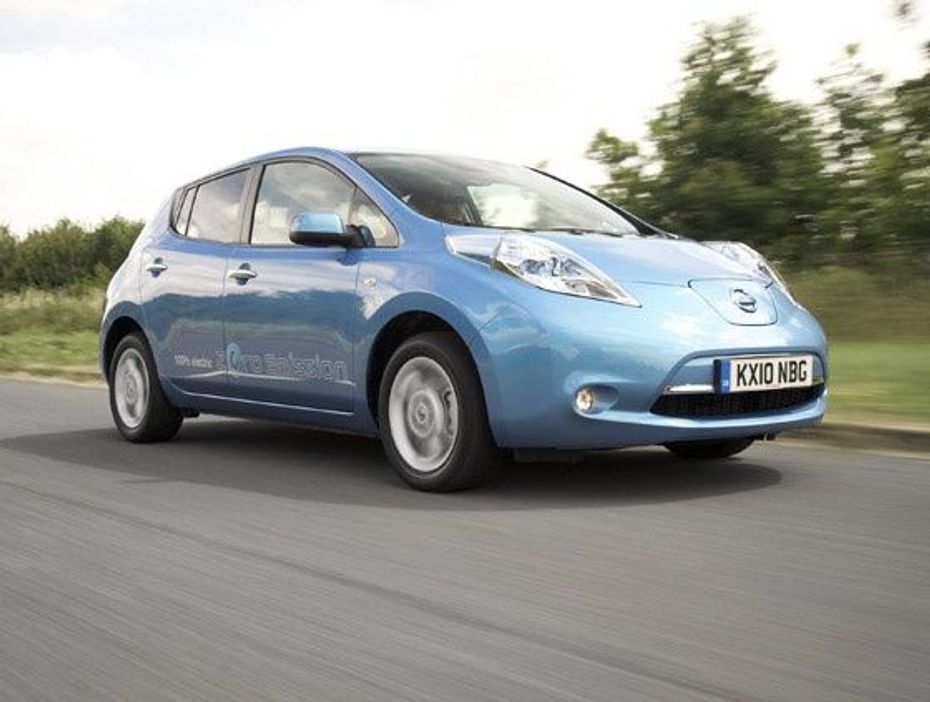
As the transport bus rolls into the entrance of Nissan's massive new headquarters, the centerpiece of the driveway holds my attention and admiration. It is not some twisted modern art sculpture, nor one of the company's many iconic cars. Put up right in the centre is a simple box - a quick charging station for its new and forthcoming electric vehicles. If all goes well, the sprouting of such boxes over numerous metropolitan areas around the world will determine the company's ascension to the top spot in the automotive world.
How things change. Just ten years back, the industry had almost written off Nissan after its worst financial crisis. Only three of its 46 models were making profits, and the loss for '99 was pegged at about $6 million dollars. It took an outsider to come in, bypass Japanese business etiquette, take tough calls and draw flak - but the very next year Nissan posted a turnaround profit of $2 million. The feat even got him a place as a hero in Japanese comic books. Carlos Ghosn, CEO of Nissan and Renault, would be present today to mark the day.
The occasion itself was momentous for Nissan in more ways than one. Combining the inauguration of its new HQ, currently the greenest building in Japan, along with the launch of the world's first intended affordable mass production electric vehicle could sound like a field day for tree huggers, but the company's outlook has seen a sea-change after its alliance with Renault. Technological advancements, driving excitement and environmental awareness aside, new Nissan has thrived because it is now driven by strong business propositions. The new Leaf EV is exactly that.
Plucking the Leaf
Just one day earlier, the electric powertrain of the Leaf mounted on to a Nissan Tiida test mule was up for evaluation at the company's Oppama proving grounds. The sporty mid-size hatchback proved to be a great car to base the prototype on, given its standard Nissan-style dynamics. Great handling was expected but given the relatively tame reputation of electric vehicles, the on-the-pedal experience was being guessed with a pinch of salt.
As the car rolled on to the track, pinning the accelerator was greeted with a very likeable hot hatch reaction - minus the noise. This felt like a proper 120-odd BHP hatchback that loved going fast. The absence of a gearbox also meant that the relation between the accelerator and the forward motion of the car was that much more direct. The top whack of 140 km/h came in good time, and the powertrain felt completely stress free even at its peak. This was no toy car. It was a proper vehicle that would keep up most other things on the highway.
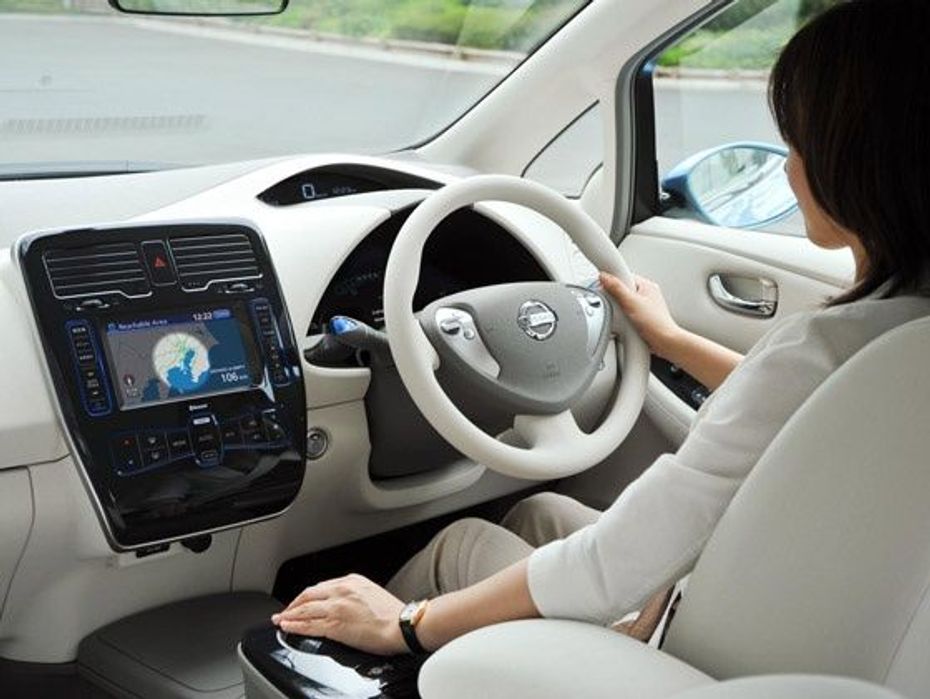
At the technical briefing post the drive, other interesting facts confirmed that finally there would be a mass-produced electric car that could unashamedly be considered as a real alternative to fuel-burning vehicles. The 80 kW (110bhp) motor also puts out 280Nm of torque - indicative of the exuberant drive experience. Laminated lithium-ion battery packs not only give the car a range of 160 kms at full charge but also keep the weight down and liberate a whole lot of space. A smart integrated IT system also allows users to see a real-time map view of the radius within the car's present range. The same system makes for pre-programmable charging times to ensure that the car gets charged in non-peak time hours when parked in the garage.
Partnering the Revolution
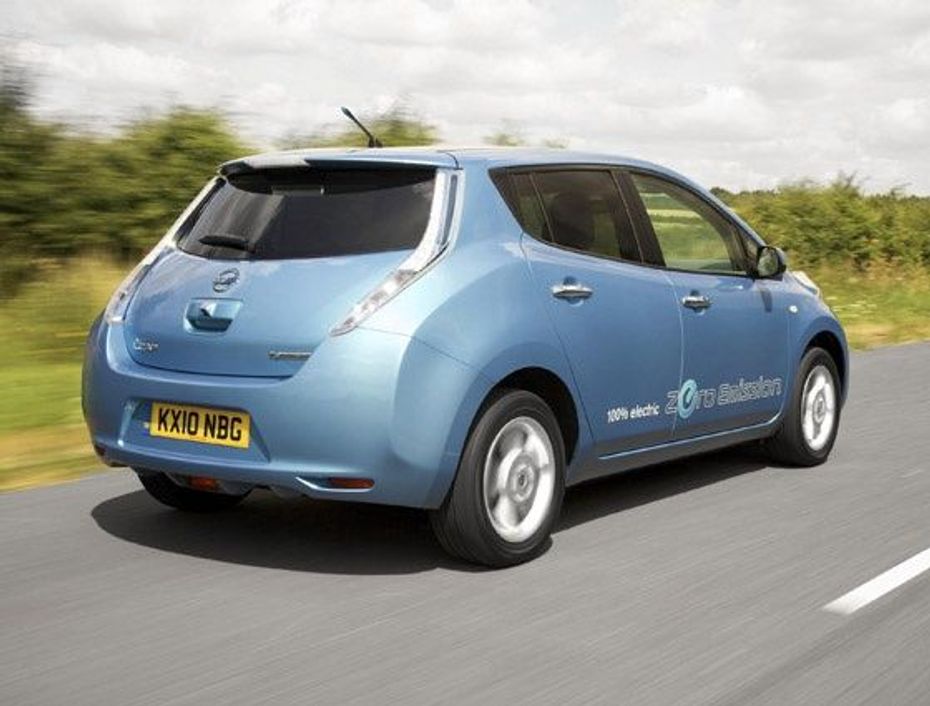
So what's the big deal about a great car that may not run when you really need it to? The Leaf's makers seemed to have realized this quite early, given their real-world goals of making this car a worldwide success, not just some novel science experiment. A widespread charging infrastructure is as important to electric cars as fuel pumps are to normal combustion-engine cars, and also out of reach for an automobile manufacturer.
To take care of the scenario, Nissan decided to partner with municipal corporations and urban administrations of large cities to set the infrastructure up. Given the new green focus that many cities have developed recently, the response was more than encouraging.
In fact, Nissan chief Carlos Ghosn mentioned in no uncertain terms that the problem being faced by the company right now is one of plenty, with Mayors lining up to strike deals. Currently in alliance with 27 urban areas around the world, the company seems to be ensuring that the Leaf will never run out of juice even in the real world.

Mahindra Thar Roxx vs Scorpio N: Why Character Still Wins
Big, Boxy And A Plug-in Hybrid: Is This JSW Motor’s First SUV?...
EXCLUSIVE: Tata Tigor To Be Replaced By Tata Aeris
2026 Tata Aeris Launched At Rs 5.29 Lakh: Fresh Looks, More Features...
Mahindra Scorpio Lifestyler Unveiled: Mahindra Returns to Lifestyle...
2026 Skoda Slavia Facelift Unveiled, Now Comes With Rear Massage...
2026 Mahindra Thar OG Launched At Rs 10.32 Lakh: Here's...
2026 Maruti Suzuki Baleno Facelift Launched At Rs 6.1 Lakh Onwards
2026 Maruti Baleno Facelift Launch Confirmed! Check Out The Expected...
5 Things We Love About The MG Hector Tomahawk EV
India's largest automotive community
Skoda Slavia
₹ 10.00 Lakh
Honda Elevate
₹ 11.80 Lakh
Mercedes-Benz Maybach S-Class
₹ 3.35 Crore
Tata Aeris
₹ 5.30 Lakh
Mahindra Thar OG
₹ 10.32 Lakh
Volvo EX90
Rs. 1.20 Crore
Volvo ES90
Rs. 1.10 Crore
Toyota Glanza Facelift
Rs. 6.85 Lakh
Hyundai Bayon
Rs. 10.00 Lakh
Audi Q3 2026
Rs. 48.00 Lakh
 Top 5 Things We Love About The Skoda Slavia Facelift
 2026 Honda Elevate Facelift Launched At Rs 11.80 Lakh! Honda Finally Adds These Missing Features
 2026 Skoda Slavia Facelift Launched At Rs 9.99 Lakh! Gets Massaging Seats And Better Fuel Economy!
 2026 Mercedes-Maybach S-Class Facelift Launched. New Statement In Luxury And Sure To Make You Noticed!
Skoda Slavia Facelift Review: For You And Your Family?
2026 Mercedes-Maybach S-Class Facelift Launched. New Statement In Luxury And Sure To Make You Noticed!
Skoda Slavia Facelift Review: For You And Your Family?